17-Year Study Shows How Parents Can Reduce Child ADHD Risk
A groundbreaking 17-year study reveals that ADHD risk isn't set in stone at birth. For children born with certain temperaments, creating a rich and supportive home environment can dramatically improve outcomes.
Parents now have scientifically proven ways to help prevent ADHD symptoms in their children, according to a study that followed 125 families for nearly two decades.
Researchers at Ben-Gurion University tracked children from birth through adolescence, making a discovery that challenges everything we thought about ADHD. The condition isn't simply genetic or environmental—it's about how the two work together.
The study found that infants with high motor activity, especially those with parents who have ADHD symptoms, are more sensitive to their surroundings than other children. Think of them like orchids that need specific conditions to thrive, while other children are more like dandelions that grow anywhere.
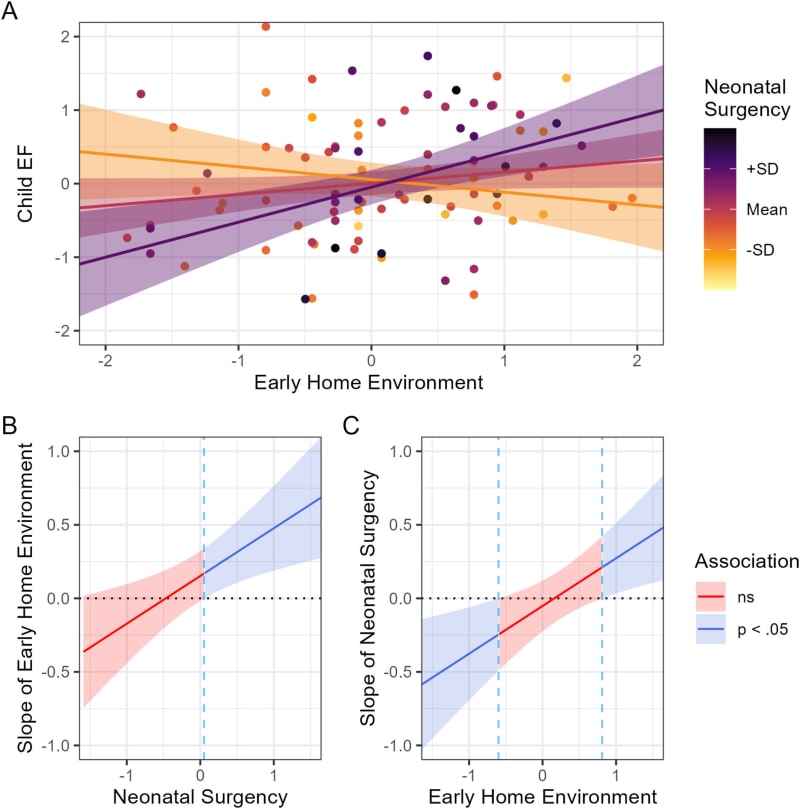
For these sensitive children, a stimulating home environment made all the difference. When parents provided enriching activities and support, these high-energy infants developed better cognitive skills by age seven. Those stronger thinking skills led to fewer ADHD symptoms as they grew into teenagers.
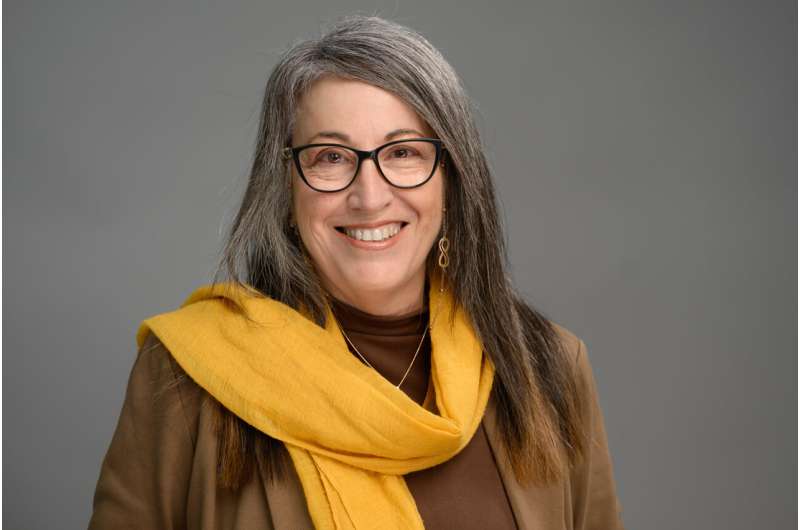
Professor Andrea Berger, who led the research, explains that sensitivity exists on a continuum shaped by both the child's temperament and parental characteristics. There's no simple category of "sensitive" versus "not sensitive" children.
The flip side matters too. The same children who benefited most from supportive environments were also most negatively affected by less enriching homes. Their heightened sensitivity worked both ways.
The study tracked specific factors including infant temperament, parental ADHD symptoms, and the richness of activities and interactions in the home during early childhood. Researchers measured everything from toys and books available to the quality of parent-child interactions.
Why This Inspires
This research hands parents a roadmap instead of a diagnosis. For the first time, families know that early action matters and understand exactly who needs extra environmental support.
Professor Judith Auerbach notes that understanding this sensitivity continuum helps tailor early environments to support children who need it most. Parents can now make informed choices about enriching their homes during those critical first years.
The findings apply especially to families where ADHD runs in the family. Instead of viewing a parent's ADHD as simply passing down risk, families can see it as a signal to create extra supportive environments for their active infants.
Children's futures aren't locked in at birth—they're shaped by the care and enrichment families provide during those precious early years.
More Images


Based on reporting by Medical Xpress
This story was written by BrightWire based on verified news reports.
Spread the positivity! 🌟
Share this good news with someone who needs it