180 Writers Unite, Festival Reverses Author Ban
After 180 authors withdrew in solidarity, an Australian festival reversed its controversial decision to exclude Palestinian writer Randa Abdel-Fattah. The collective action saved freedom of expression and secured an apology.
When an Australian arts festival excluded Palestinian author Randa Abdel-Fattah from speaking, 180 writers took a powerful stand. They withdrew from the event entirely, forcing Adelaide Festival to cancel its 2025 writers' week and reconsider its decision.
The result? A complete reversal and an unreserved apology.
On Thursday, the Adelaide Festival board announced it was retracting its decision to exclude Abdel-Fattah. The board apologized for the harm caused and invited the award-winning author to speak at the 2027 event.
"Intellectual and artistic freedom is a powerful human right," the board acknowledged, admitting it had fallen "well short" of upholding that right.
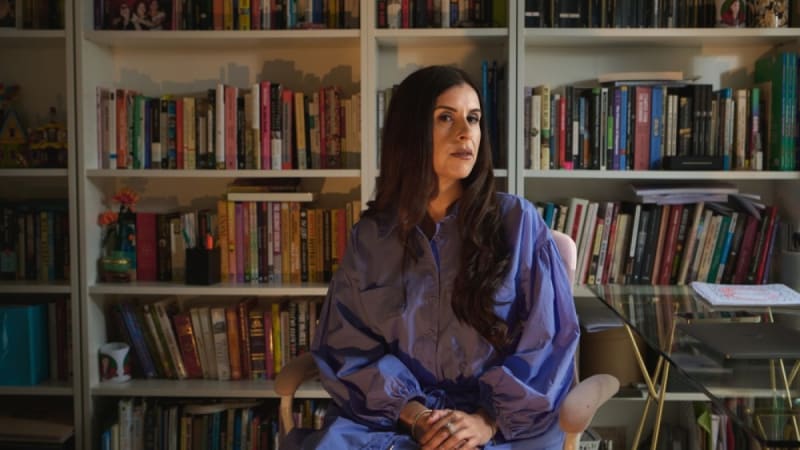
Abdel-Fattah, a lawyer, sociologist, and author of 11 novels, accepted the apology. She said it represented "a vindication of our collective solidarity and mobilization against anti-Palestinian racism, bullying and censorship."
The writers who withdrew in solidarity included major names like Zadie Smith, former New Zealand Prime Minister Jacinda Ardern, and Helen Garner. Their unified stance sent a clear message about protecting free expression for all voices.
Louise Adler, the festival's director who resigned in protest over the original exclusion, praised the authors' collective action. She had initially invited Abdel-Fattah to speak and stood by her decision despite pressure from the board.
The Ripple Effect
This story demonstrates how collective action can protect fundamental rights. When writers across continents stood together, they protected more than one author's invitation. They safeguarded the principle that diverse voices deserve platforms, especially when discussing difficult topics.
The boycott sent ripples beyond Adelaide. It sparked conversations about artistic freedom, the role of cultural institutions, and how communities respond to political pressure. Public institutions now face questions about establishing better safeguards against outside interference.
Abdel-Fattah highlighted these broader implications, noting "the need for urgent antiracism education" and stronger protections for public institutions against political lobbying.
The solidarity also showed that writers understand their collective power. When they stood together, refusing to benefit from one colleague's exclusion, they created real change within days.
One writer's exclusion became 180 writers' refusal, which became a festival's awakening to its own values.
Based on reporting by Al Jazeera English
This story was written by BrightWire based on verified news reports.
Spread the positivity! 🌟
Share this good news with someone who needs it