3 Clean Energy Breakthroughs Scaling Up in 2025
After years of development, sodium-ion batteries, next-generation nuclear reactors, and massive clean energy data centers are finally moving from lab to reality. These technologies could reshape how we power our lives while tackling climate change.
The future of clean energy just got a lot closer to reality.
MIT Technology Review's annual breakthrough technologies list highlights three climate innovations that stopped being experiments and started becoming real in 2025. After years of research and testing, they're now scaling up to change how the world generates and stores power.
Sodium-ion batteries are leading the charge. For years, lithium-ion batteries have powered everything from phones to electric cars to grid storage systems. But lithium is relatively scarce and its price swings wildly, pushing researchers to find alternatives.
Enter sodium. It's abundant, cheap, and carries a lower fire risk than lithium. The tradeoff? Sodium batteries can't pack quite as much energy into each cell.
But that limitation might not matter much. For grid storage and smaller electric vehicles, sodium batteries could be the perfect fit. Chinese battery giant CATL announced it began manufacturing these batteries at scale in 2025, marking a major milestone.
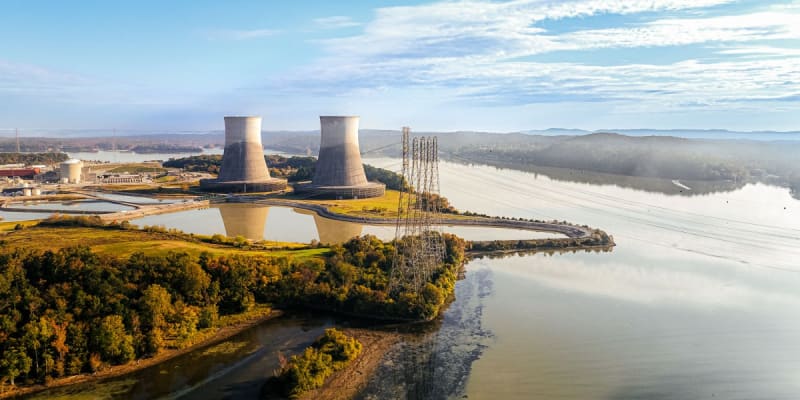
Next-generation nuclear reactors are also breaking through. Traditional nuclear plants generate reliable electricity but cost billions and take years to build. Recent high-profile projects have faced massive delays and budget overruns.
New reactor designs aim to fix those problems. Some companies are building smaller reactors that are easier to finance and faster to construct. Others are experimenting with alternative fuels or coolants that make reactors safer and more efficient.
Kairos Power became the first US company approved to build a next-generation electricity-producing reactor. Meanwhile, China is emerging as a nuclear innovation hub, with its national nuclear company developing several advanced reactor designs.
The third breakthrough is hyperscale data centers built to support artificial intelligence. These facilities require a gigawatt or more of power, equivalent to an entire nuclear plant's output, just for one center.
While not purely a climate technology, these massive data centers are reshaping electricity demand worldwide. They're driving conversations about renewable energy, grid capacity, and how we balance technological progress with environmental impact.
The Ripple Effect
These three technologies represent different pieces of the same puzzle: building a cleaner energy future. Sodium batteries make renewable energy storage more accessible and affordable. Next-generation nuclear provides reliable baseload power without emissions. Even AI data centers, despite their enormous appetite for electricity, are spurring unprecedented investment in clean energy infrastructure.
What makes this moment special isn't just the technology itself. It's that after years of pilots and prototypes, these innovations are finally reaching commercial scale. Real factories are manufacturing sodium batteries. Real construction crews are building new reactors. Real data centers are coming online.
The shift from promising to proven often takes decades in energy technology. Watching three major breakthroughs hit that milestone in the same year shows how fast clean energy innovation is accelerating.
Based on reporting by MIT Technology Review
This story was written by BrightWire based on verified news reports.
Spread the positivity! 🌟
Share this good news with someone who needs it
_1.png)

