800-Year-Old Scottish Village Named Top Archaeological Discovery
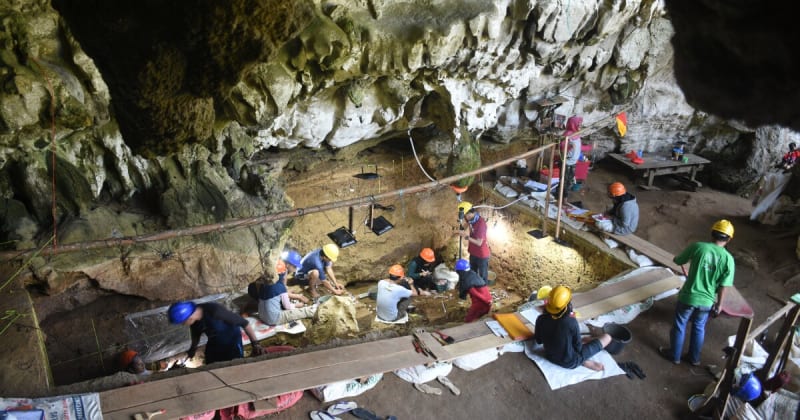
A medieval settlement lost for eight centuries has been named one of Scotland's biggest archaeological finds of 2025. Volunteers, students, and young adults with additional needs worked alongside professional archaeologists to uncover the remarkably preserved site near Horndean in the Scottish Borders, offering a rare glimpse into 12th-century rural life.
A team of volunteers and young people with additional needs just helped uncover one of Scotland's most significant archaeological discoveries of the year, proving that the past still has incredible stories to tell.
The medieval settlement near Horndean in the Scottish Borders, hidden for 800 years, has been named the fourth most important archaeological find of 2025 by Dig It!, Scotland's archaeology hub. What makes this discovery extra special is who helped bring it to light.
Members of the Borders Additional Needs Group from Galashiels worked alongside professional archaeologists from AOC Archaeology, school pupils, and volunteers as part of the Uncovering the Tweed project. Together, they carefully excavated a site that offers an extraordinarily well-preserved window into 12th-century life.
"It is really exciting for our team of volunteers to have identified new evidence for a buried medieval site at Horndean," said Cathy MacIver, archaeologist with the Uncovering the Tweed project. "The unusually well-preserved animal bone in particular is going to shed new light on the diet and daily life of this medieval community living on the Tweed."
The excavation revealed animal bones and pottery dating from the 12th century onwards, believed to be household waste that residents discarded into an enclosure ditch. These everyday items are now precious clues about how ordinary people lived centuries ago.
The settlement sits near a ruined medieval church, suggesting its residents may have worked for or supported the church through food production. It's the kind of connection that helps archaeologists understand not just how people lived, but how communities functioned together.
The Ripple Effect
This discovery matters beyond the artifacts themselves. Medieval lowland rural settlements like this one are incredibly rare because later farming activity typically destroyed them. Finding one this intact gives researchers a precious opportunity to study a period of history that's often lost to time.
But the broader impact extends to the present day. By including young adults with additional needs in meaningful archaeological work, the project demonstrates how inclusive practices enrich both the participants and the field itself. Everyone on the team contributed to a nationally recognized discovery.
The Horndean site joined an impressive list of Scottish discoveries from 2025. An early modern Highland amulet took fifth place, while evidence of a possible Roman siege in Dumfries and Galloway claimed third. Rare Bronze Age structures in the Shetlands came in second, and evidence of unique Neolithic feasting in the Outer Hebrides topped the list.
Each discovery adds another piece to Scotland's rich historical puzzle, but the Horndean excavation stands out for showing what's possible when communities make archaeology accessible to everyone. The medieval residents who once called this settlement home probably never imagined their daily lives would fascinate people 800 years later, or that a diverse team of dedicated volunteers would carefully uncover their story.
Based on reporting by Google: archaeological discovery
This story was written by BrightWire based on verified news reports.
Spread the positivity! 🌟
Share this good news with someone who needs it