African Youth Turn Plastic Waste Into 3D Printing Filament
A Cameroonian innovator won a continent-wide green innovation challenge by converting plastic waste into educational tools. The competition attracted 2,484 young entrepreneurs with solutions for Africa's climate and food security challenges.
Plastic bottles and bags that once littered African streets are now becoming tools that teach science and technology to the next generation.
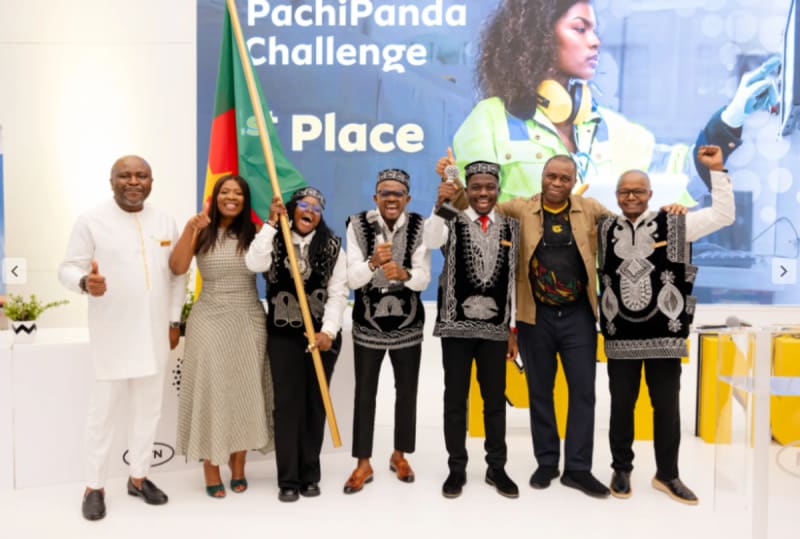
Arnaud Njita from Cameroon took first place in the 2025 Africa PachiPanda Challenge with his nTron STEM Kit, which transforms plastic waste into filament for 3D printers used in schools. His innovation tackles two problems at once: reducing pollution while making science education more accessible and affordable across the continent.
The competition, hosted by MTN and the World Wide Fund for Nature in Johannesburg this week, drew 2,484 young entrepreneurs from across Africa. All focused on creating businesses that protect the environment while generating income and jobs.
Second place went to Ndaman Joshua Olayinka from Nigeria for BuyScrap, a digital platform that makes electronic waste recycling easier and more efficient. Bill Agha of Cameroon earned third for AgriCheck, a climate-smart app helping farmers adapt to changing weather patterns.
"Africa's youth are not just responding to the climate challenge. They are shaping the solution," said Nompilo Morafo, MTN's Chief Sustainability Officer. The competition focused on food security, clean energy, and water access because these areas offer both environmental benefits and economic growth opportunities.
Special recognition went to Flame Innovation Zambia, led by Agatha Mumba Mwansa, for converting waste into clean-burning fire blocks. Her product reduces deforestation and cuts fuel costs for families. Uganda's EcoDrop Project rewards people with cash, mobile data, or airtime for recycling plastic, proving that environmental action and community benefit can work hand in hand.
The Ripple Effect
These aren't just feel-good projects or classroom experiments. Winners receive funding from MTN to grow their businesses, plus mentoring from Deloitte to strengthen their financial models and prepare for larger investments. They'll also participate in an executive program at Wits Business School to learn advanced business strategies.
The real impact goes beyond the winners. With nearly 2,500 applications, the challenge revealed a deep pool of African entrepreneurs developing practical climate solutions rooted in local needs. They're creating jobs while addressing urgent environmental problems like land degradation, limited clean energy access, and water scarcity.
"Africa is not waiting to be rescued by ideas from elsewhere," said Alain Ononino, Country Director of WWF Cameroon. "It is actively generating its own solutions, driven by African entrepreneurs and designed to deliver both economic value and measurable benefits for nature and communities."
These young innovators prove that Africa's biggest environmental challenges are also its greatest opportunities for smart, sustainable growth.
Based on reporting by Google News - Africa Innovation
This story was written by BrightWire based on verified news reports.
Spread the positivity!
Share this good news with someone who needs it