AI Breakthrough Makes Arabic Reading Easier for Millions
Researchers at the University of Sharjah have created an AI system that adds crucial pronunciation marks to Arabic text, making reading dramatically easier for both native speakers and language learners. The technology slashes reading errors by more than half.
Reading Arabic has always been uniquely challenging because most written text leaves out the tiny marks that tell you how to pronounce words correctly. Now, scientists have built an AI tool that's changing that reality for millions of readers worldwide.
Researchers at the University of Sharjah in the United Arab Emirates developed SukounBERT.v2, a smart system that automatically adds the missing vowel marks to Arabic writing. Without these marks, called diacritics, the same word can have completely different meanings depending on how you say it.
The challenge goes beyond simple pronunciation. Arabic writing relies heavily on consonants, making it difficult even for native speakers to read newspapers, books, or academic texts fluently. For students learning Arabic as a foreign language, the difficulty can be overwhelming.
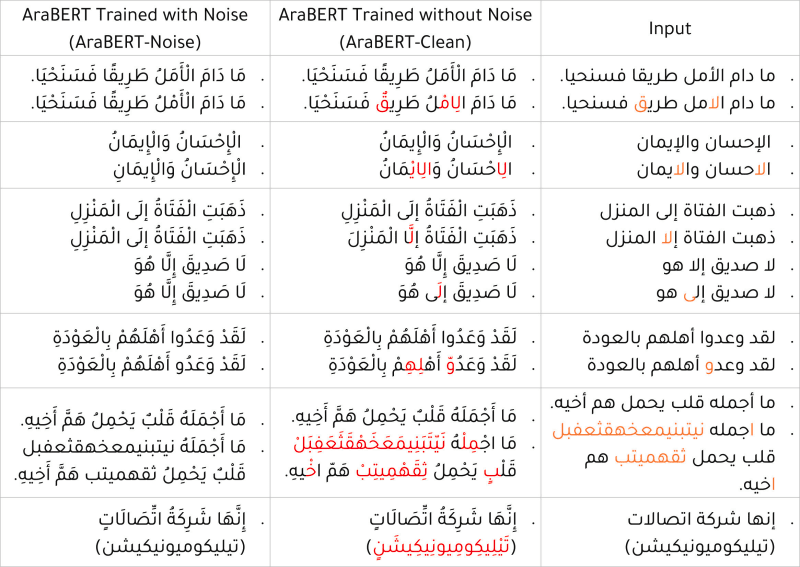
The new AI system trains on over 5.2 million lines of diverse Arabic text, from poetry to dictionaries to everyday sentences. It learns to understand context so well that it can handle spelling errors, slang, and even words borrowed from other languages.
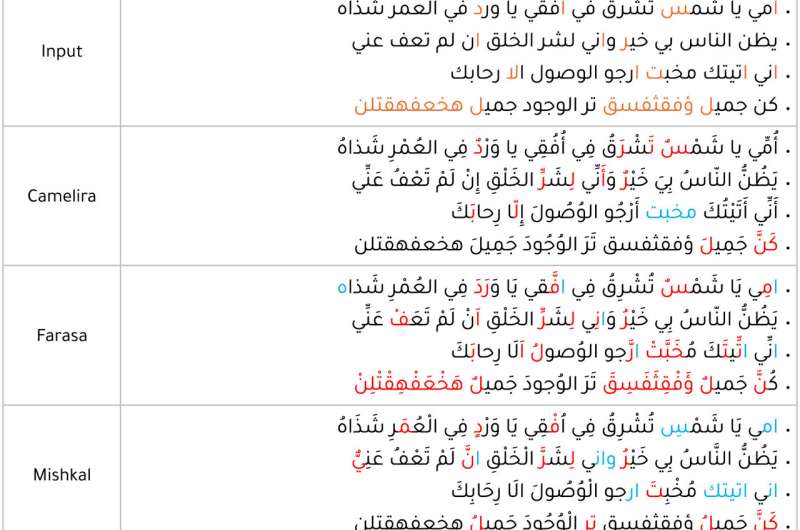
The results speak for themselves. SukounBERT.v2 reduces reading errors by 55% compared to previous leading models. The system works across different Arabic dialects and writing styles, something earlier programs struggled to achieve.
What makes this breakthrough special is its real-world practicality. The AI doesn't just work in perfect conditions. It performs accurately even with messy, error-filled text, the kind people actually encounter in daily life.
The Ripple Effect
This technology opens doors for millions of Arabic learners worldwide who previously faced steep barriers to fluency. Teachers can now provide students with accurately marked texts without spending hours adding vowel marks by hand.
Native speakers benefit too, especially when reading classical texts or unfamiliar dialects. The system preserves the beauty and complexity of Arabic while making it more accessible to everyone who wants to engage with the language.
Publishers and digital platforms can now automatically prepare Arabic content that's easier to read and understand. This could transform everything from children's books to news websites to educational materials across the Arabic-speaking world.
The research team designed their system to offer both full diacritization and minimal marking options, giving readers flexibility based on their skill level. Advanced readers might need just a few key marks, while beginners can see complete pronunciation guides.
Arabic is the fifth most spoken language globally, with over 300 million native speakers and countless more students. Making it more accessible strengthens cultural connections and opens new opportunities for communication across borders.
More Images
Based on reporting by Phys.org
This story was written by BrightWire based on verified news reports.
Spread the positivity!
Share this good news with someone who needs it