AI Chatbots Match Experts at Spotting Empathy in Conversations
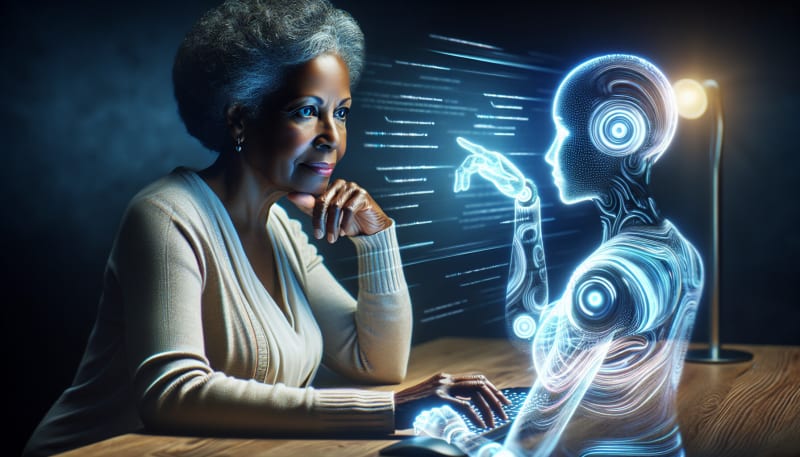
Northwestern University researchers discovered that AI can judge empathetic communication nearly as well as trained experts and far better than most people. The breakthrough could help train doctors, teachers, and customer service workers to connect better with others.
What if computers could teach us how to be better listeners? Northwestern University researchers just proved they can, and the implications might transform how we train people in caring professions.
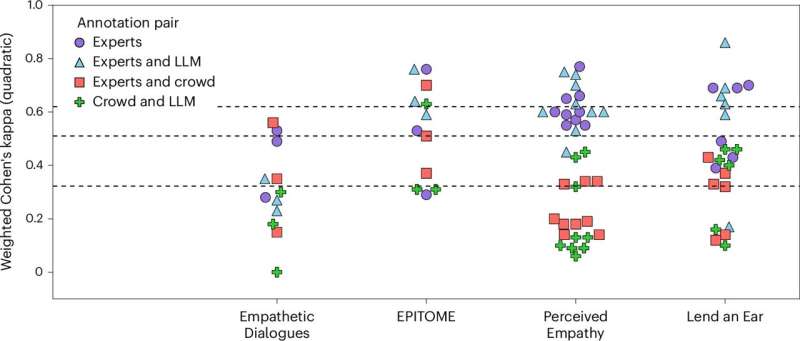
In a groundbreaking study published in Nature Machine Intelligence, scientists tested three popular AI chatbots against human experts and everyday people. They asked all three groups to evaluate 200 real text conversations where someone shared a personal problem and another person offered support.
The conversations covered everything from workplace stress to serious mental health struggles. Each evaluator had to judge whether responses showed genuine empathy by looking for signs like "encouraging elaboration" and "demonstrating understanding."
The AI models performed almost as well as trained empathy experts and significantly better than untrained humans. ChatGPT, Gemini, and Claude correctly identified empathetic responses by recognizing patterns in how people communicate care and validation.
Matthew Groh, an assistant professor at Kellogg School of Management who led the study, explained why this matters. Empathy isn't just a feeling we're born with. It's a communication skill with learnable patterns, just like grammar or public speaking.
"We assume that we all just understand empathy since we are humans, but communicating it is a skill," Groh said. Most people never train that muscle, which is why AI can now outperform them at recognizing it.
The AI succeeds because it has analyzed millions of conversations. It learned the grammar and idioms of empathetic expression the same way it learned language itself.
The Ripple Effect
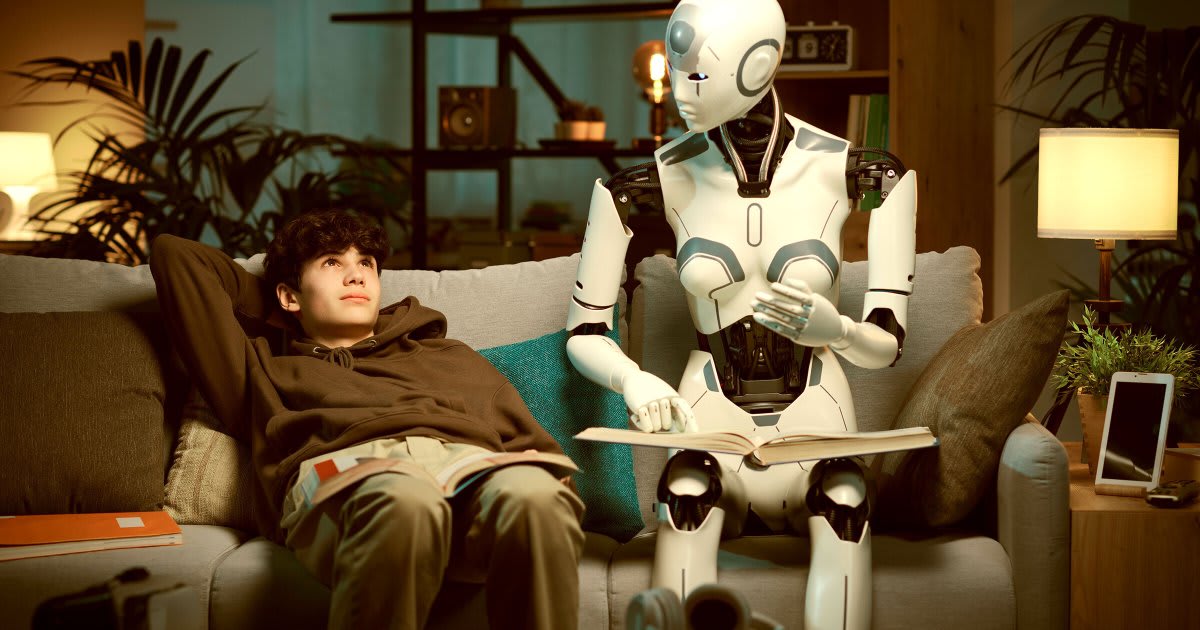
This research opens doors for practical training tools. Imagine medical students practicing bedside manner with AI feedback, or customer service workers getting real-time coaching on making callers feel heard.
Teachers could learn better ways to support struggling students. Therapists in training could refine their counseling techniques. The applications span every profession that requires human connection.
The researchers warn that AI still has limitations. Chatbots sometimes over-validate, offering excessive flattery or avoiding hard truths when gentle honesty would help more. That's where human experts still lead the way.
But Groh sees enormous potential. His team hopes carefully designed AI systems will soon help train professionals across healthcare, education, and service industries. The technology could even create accountability for AI companions that millions already use for emotional support.
The irony isn't lost on Groh: we might learn from artificial intelligence how to be more genuinely human.
More Images
Based on reporting by Phys.org - Technology
This story was written by BrightWire based on verified news reports.
Spread the positivity!
Share this good news with someone who needs it