AI Misinformation Alert: Google's EV Tax Credit Advice Misleads Consumers
Google's AI is spreading dangerously misleading information about electric vehicle tax credits, potentially causing significant financial confusion for consumers. Investigative reporting reveals systematic misinformation that could lead car buyers to make costly mistakes.
Navigating the complex world of electric vehicle purchases just got trickier, as emerging evidence reveals Google's AI is dispensing dangerously inaccurate tax credit information that could cost unsuspecting car buyers thousands of dollars.
Automotive journalist Andy Kalmowitz from Jalopnik conducted an extensive investigation revealing that Google's AI Overview system is providing wildly incorrect guidance about electric vehicle tax credits. By testing 20 different electric car models, Kalmowitz discovered the AI incorrectly claimed tax credit eligibility for 19 out of 20 vehicles - a stunningly high error rate that could lead consumers into financial misunderstandings.
The core issue stems from the AI's apparent unawareness that the $7,500 electric vehicle tax credit was effectively terminated in September. Despite being able to articulate specific qualification criteria like US assembly requirements, maximum vehicle MSRP limits, and buyer income thresholds, the AI consistently fails to communicate the credit's current unavailability.
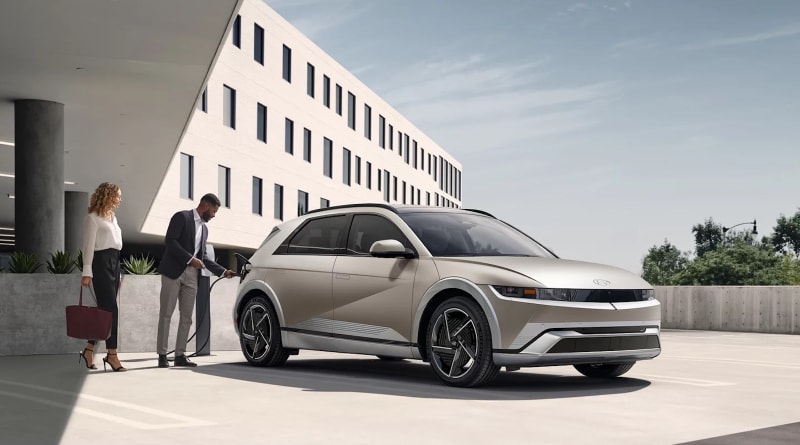
In a telling example, Kalmowitz found that when searching about various electric vehicles, Google's AI confidently suggested tax credit eligibility. The system even claimed the Hyundai IONIQ 5 was "back on the list" for credits - a statement completely disconnected from current federal incentive policies.
Interestingly, the AI demonstrated occasional accuracy, correctly identifying the Jeep Wagoneer S's status, though the reasoning behind this sporadic correctness remains unclear. This inconsistency highlights the broader challenge of relying on AI-generated information, especially for significant financial decisions like automobile purchases.
Kalmowitz warns that while tech-savvy consumers might recognize these inaccuracies, the average car buyer could easily be misled. 'By the time they get to the dealership and sign the paperwork, it might just be too late,' he cautioned, highlighting the potential real-world consequences of AI misinformation.
The incident underscores a growing concern about artificial intelligence's reliability, particularly when presenting authoritative-sounding but fundamentally incorrect information. As AI systems become increasingly integrated into daily information consumption, users must remain critically aware and cross-reference important details from multiple reliable sources.
Ultimately, this revelatory investigation serves as a crucial reminder: while AI can be a powerful tool, it is not infallible. Consumers are advised to verify critical financial and purchasing information through official government sources, automotive experts, and reputable industry publications before making significant decisions.
Based on reporting by CleanTechnica
This story was written by BrightWire based on verified news reports.
Spread the positivity! 🌟
Share this good news with someone who needs it
More Good News
 🚀 Innovation
Tech Titans Bet $850B on AI: How Data Centers Are Transforming Rural America
 🚀 Innovation
China Unveils AI Research System Rivaling US Technological Frontier
 🚀 Innovation