AI Predicts Addiction with 83% Accuracy Using Simple Test
University of Cincinnati researchers developed an AI that can predict substance use disorder with up to 83% accuracy using just a simple picture rating task on a smartphone. The breakthrough could help patients get treatment faster by overcoming the biggest barrier: denial and stigma.
Getting help for addiction often starts with the hardest step: admitting you need it. Now a groundbreaking AI system from the University of Cincinnati is removing that barrier by predicting substance use disorder with remarkable accuracy before a patient says a word.
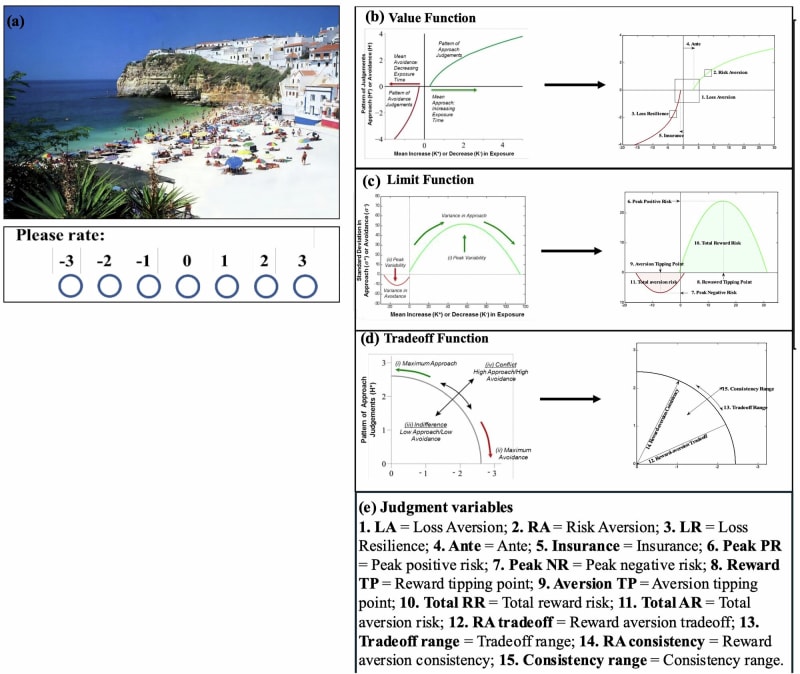
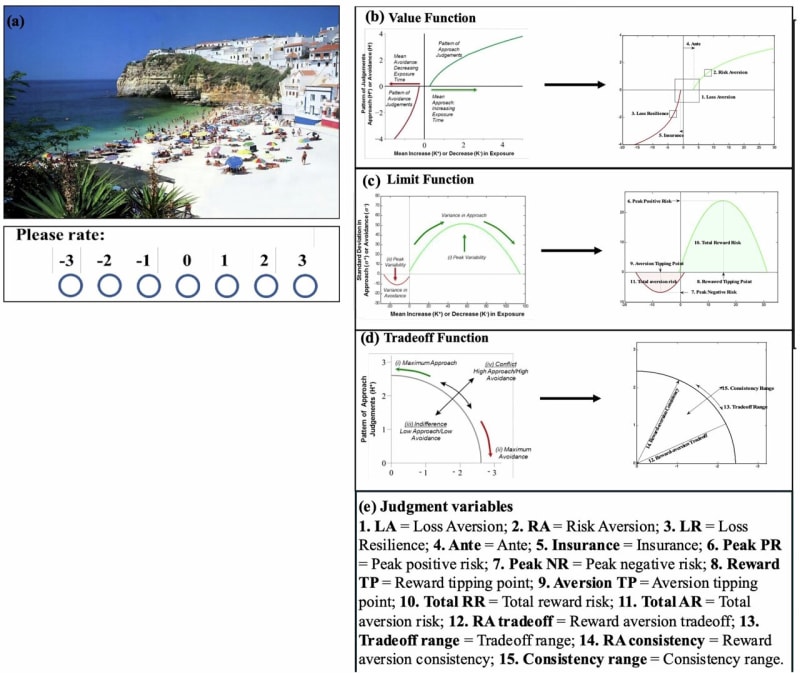
The system works surprisingly simply. Participants rate how much they like or dislike 48 mildly emotional pictures on their phone or computer. That's it.
But behind those ratings, the AI analyzes 1.3 trillion possible preference patterns. It looks at how people make judgments, including whether they're risk-seeking or loss-averse, concepts borrowed from economics.
In a study of 3,476 adults, the system predicted addiction-defining behaviors with 83% accuracy. It identified which specific substances people used (stimulants, opioids, or cannabis) with 82% accuracy and determined how severe their addiction was with 84% accuracy.
Professor Hans Breiter, who led the research, calls it "a low-cost first step for triage and assessment." The findings appear in the journal npj Mental Health Research.
The breakthrough matters because denial remains one of addiction's biggest obstacles. The stigma surrounding substance use makes many patients reluctant to admit their struggles, even to doctors. An objective, quick screening tool could help clinicians start treatment conversations sooner.
The picture task revealed telling patterns. People with more severe substance use disorders showed more risk-seeking behavior, were less resilient to losses, and had less variance in their preferences. These behavioral signatures emerged without asking a single question about drug use.
Lead author Sumra Bari emphasizes the tool's accessibility. Anyone with a smartphone can complete the rating task in minutes. It's scalable, inexpensive, and difficult to manipulate.
The Ripple Effect
The technology's potential extends far beyond illegal substances. Because it predicts addiction-defining behaviors directly rather than focusing on specific drugs, researchers believe it could identify behavioral addictions too: excessive social media scrolling, compulsive gaming, or problematic eating patterns.
Breiter's team previously proved their AI framework could predict other mental health conditions, including anxiety disorders and vaccine hesitancy. Each success demonstrates how understanding human judgment patterns can unlock insights into mental health.
The system doesn't replace clinicians or traditional assessments. Instead, it offers a first alert, a conversation starter that could reach people before addiction takes deeper hold. In emergency rooms, primary care offices, or even workplace wellness programs, a five-minute picture task could flag individuals who need support.
For the estimated 46 million Americans living with substance use disorders, faster identification means faster access to treatment, support groups, therapy, and medication-assisted treatment that saves lives.
This AI isn't about replacing human connection in recovery, it's about creating more opportunities for that connection to begin.
More Images


Based on reporting by Medical Xpress
This story was written by BrightWire based on verified news reports.
Spread the positivity!
Share this good news with someone who needs it