AI Robots Now Cleaning Ocean Floors Across Europe
Autonomous underwater drones are fishing tires, fences, and ship parts from the Mediterranean seabed without risking human lives. The AI-powered fleet could cut marine litter in half by 2030.
A crane whirs at a marina in Marseille, hauling a tire covered in algae from the Mediterranean. Then metal fences emerge, followed by ship parts and heavy machinery, all plucked from the ocean floor by a robot crew that works entirely on its own.
The SeaClear2.0 project is transforming how we clean the ocean. An EU-funded team has built a fleet of AI-powered drones that find and remove trash from the seabed, doing work that's currently too dangerous or expensive for human divers.
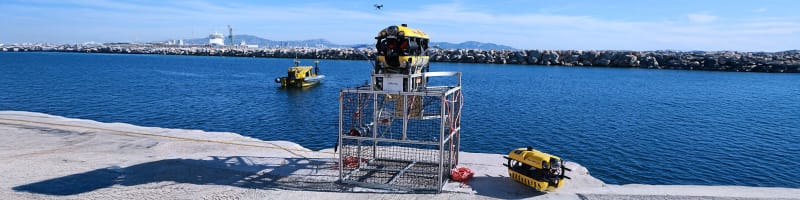
The system works like a coordinated cleanup crew. An unmanned surface vessel travels to polluted areas and deploys underwater and aerial drones that scan the sea floor using cameras and sonar. The AI identifies bottles, tires, and debris while ignoring rocks, plants, and marine life.
Once trash is spotted, collection drones either grab it or vacuum it up. For heavier objects weighing over 200 kilograms, a smart gripper lowers from a crane. An autonomous barge acts like a floating garbage truck, ferrying waste back to shore.
Professor Bart De Schutter from Delft University of Technology leads the project. "Many projects target surface litter, but we look at the sea floor," he explains. "It's important to remove rubbish there because it can contaminate the environment."
The mission is urgent. Plastic waste that stays underwater breaks down into microplastics, which become nearly impossible to remove and harm marine ecosystems for generations.
Development hasn't been smooth sailing. During a test in Hamburg, the team found a 200-kilogram tire too heavy to lift. They redesigned the grippers and tried again in Marseille.
The improvement paid off dramatically. In under 40 minutes, the robot fleet scanned and cleaned an entire area, hauling up tires, fences, car seats, and other large debris.
The Ripple Effect
SeaClear2.0 brings together 13 partners from nine countries, all working toward the EU's goal to slash marine litter by half by 2030. The technology could also detect underwater mines and improve port security.
Yves Chardard, CEO of partner company Subsea Tech, sees the bigger picture. "Drones will allow us to clean up areas that are today too expensive or dangerous to tackle," he says. Bad weather and low visibility that stop human divers don't slow the robots.
The team plans more tests in Venice, Dubrovnik, and Tarragona, improving the system between each demonstration.
By 2030, fleets of these underwater robots could be working around the clock, quietly restoring ocean health one tire, one fence, one piece of plastic at a time.
More Images

Based on reporting by Phys.org
This story was written by BrightWire based on verified news reports.
Spread the positivity!
Share this good news with someone who needs it