AI Workshop Turns 3-Day Project Into Published Research
Scientists from three continents gathered at University of Toronto to explore how AI foundation models can speed up scientific breakthroughs. One team turned their hackathon project into published research in just three days.
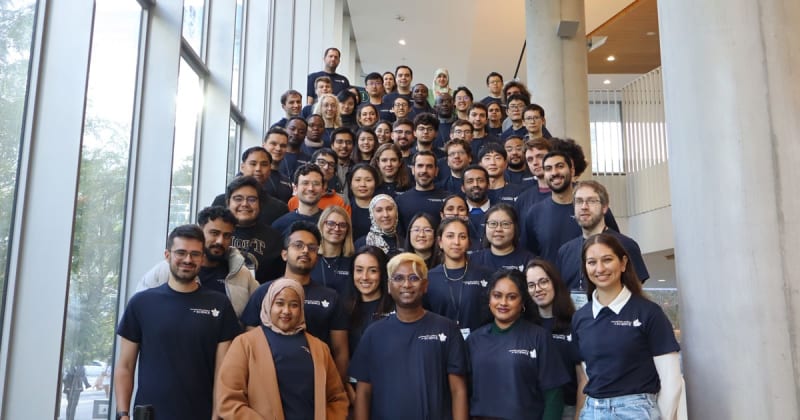
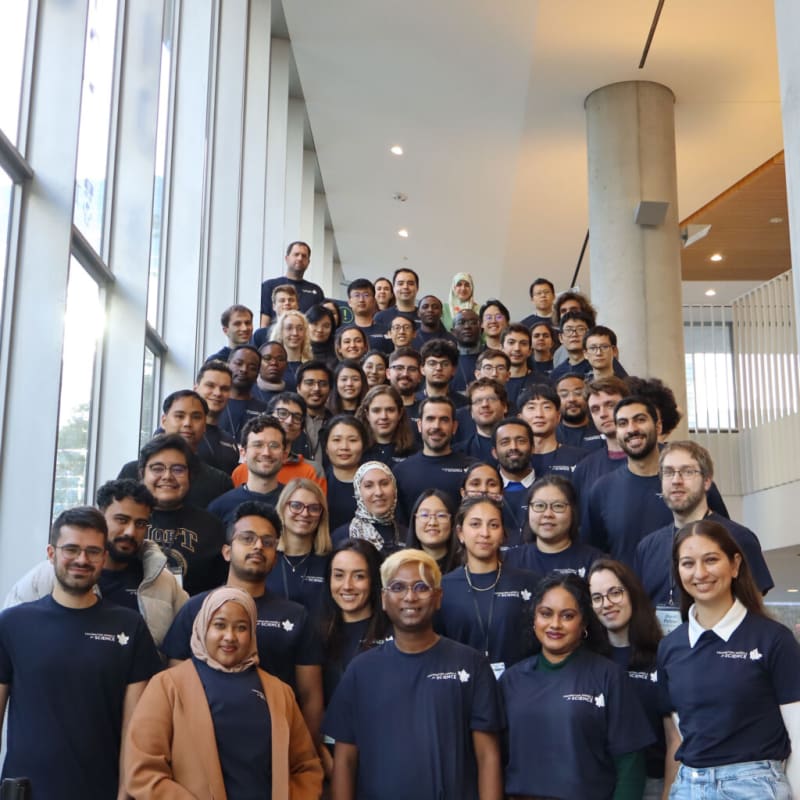
When 70 researchers from across the world gathered at the University of Toronto last November, they had three days to explore how artificial intelligence could revolutionize scientific discovery. One team walked away with published research.
The Foundation Models for Science workshop brought together scientists from Asia, Europe, and North America to learn how AI tools like ChatGPT can be adapted for fields like biology, astrophysics, and chemistry. These specialized AI models, called foundation models, are trained on massive scientific datasets and can help researchers tackle problems that traditional methods struggle with.
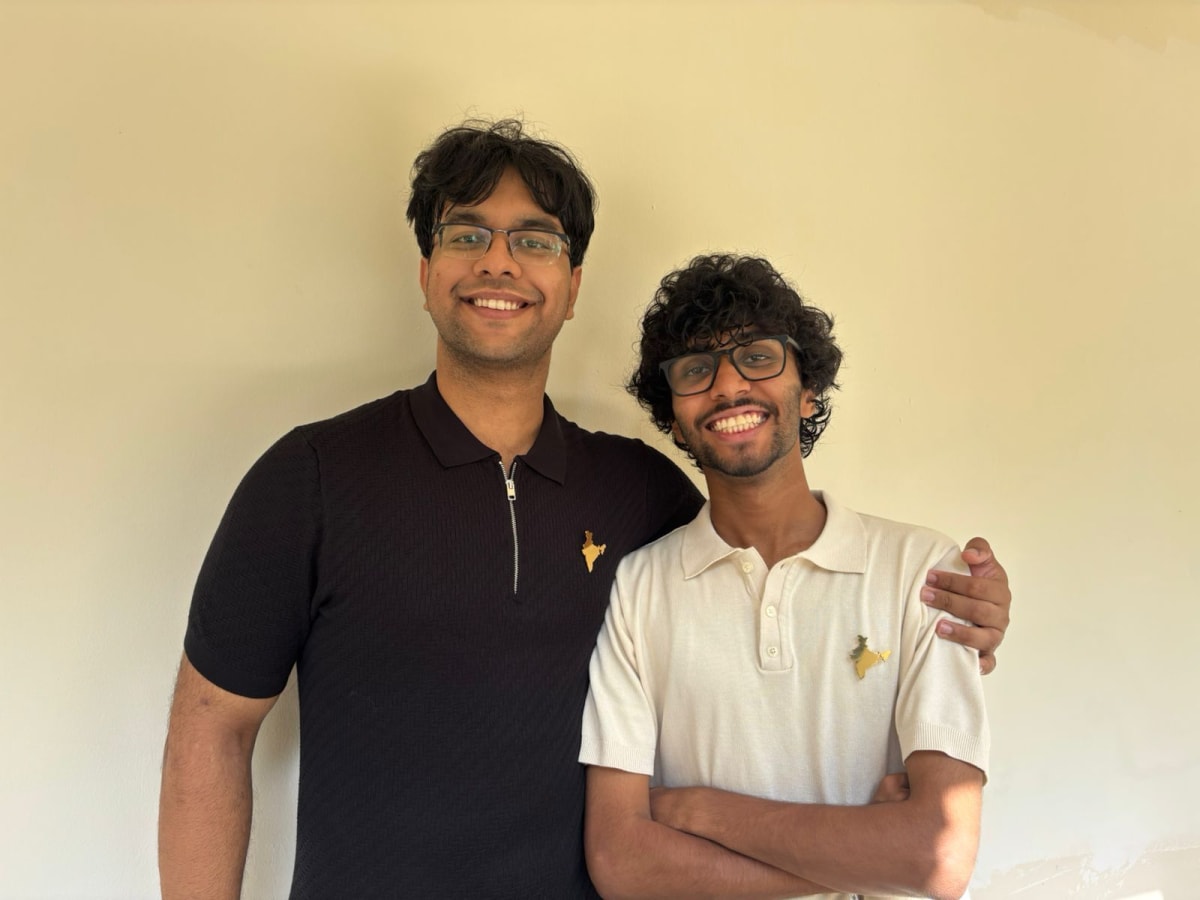
Four postdoctoral fellows organized the event at the Schwartz Reisman Innovation Campus after winning a competitive grant from Schmidt Sciences. Ashley Dale, Biprateep Dey, Ishrath Mohamed Irshadeen, and David Pellow designed the workshop around hands-on learning and fast-paced problem-solving sessions called hackathons.
The timing couldn't have been better. "We are approaching an era of AI for science where the availability of high-quality training data has become the bottleneck," says co-organizer Mohamed Irshadeen. Foundation models offer a solution by working effectively even when high-quality data is scarce.
One interdisciplinary team proved just how powerful these tools can be. Material scientists, agriculturalists, and astronomers worked together to create a climate-aware model for predicting cherry blossom blooms. Assistant Professor Joshua Speagle presented their results, which showed how foundation models can tackle real-world scientific challenges.
The Ripple Effect
The workshop filled a critical gap in the scientific community. Despite their growing importance, foundation models haven't been fully adopted by researchers who could benefit most from them. By bringing together early-career scientists from different fields, the event sparked collaborations that might never have happened otherwise.
Participants spent three days learning through tutorials, working on group projects, and building connections with peers facing similar challenges. The collaborative atmosphere turned strangers into research partners, with some teams continuing their work long after the workshop ended.
The success of the event shows how quickly AI is changing science itself. As one organizer noted, artificial intelligence has become essential to the very questions scientists can now ask and answer.
The foundation model revolution in science is just beginning, and this workshop proved that when researchers come together to learn and experiment, breakthroughs can happen faster than anyone expected.
More Images
Based on reporting by Google: scientific discovery
This story was written by BrightWire based on verified news reports.
Spread the positivity!
Share this good news with someone who needs it