Americans Under 35 Drink 10% Less as Sober Curiosity Rises
Young Americans are questioning the automatic link between alcohol and socializing, sparking a cultural shift toward mindful drinking. This growing "sober curious" movement isn't about quitting forever—it's about exploring your relationship with alcohol without pressure or judgment.
Across America, younger adults are asking a simple but powerful question: Why do we drink at every single social event?
The answer is launching a quiet revolution. Over the past two decades, alcohol use among Americans under 35 has dropped from 72 percent to 62 percent, according to Gallup. That ten-point shift represents millions of people rethinking habits that no longer serve them.
Enter "sober curiosity," a judgment-free approach to exploring life with less alcohol or none at all. Unlike traditional sobriety, it doesn't require a forever commitment or a rock-bottom moment to begin.
"Typically someone who's sober curious is choosing to explore what it would be like to use less or to not drink or use substances at all—and will give that a try for a period of time with no commitment to forever," explains Leah Young, a clinical manager at Pathlight Mood & Anxiety Center. You might take a week off from drinking, a month, or longer just to see how it feels.
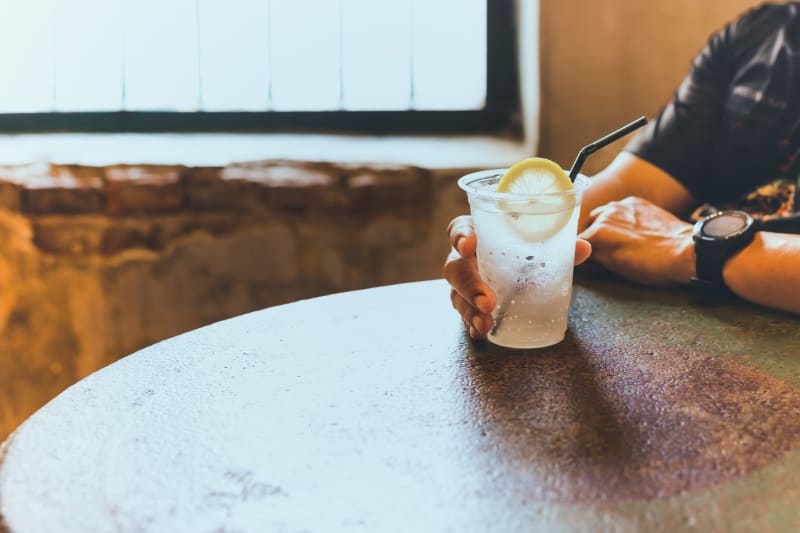
The movement is changing how people socialize too. Instead of defaulting to happy hour, sober-curious folks are organizing book clubs, post-work yoga sessions, and dinner parties featuring creative mocktails. Some cities now have thriving sober bars where the vibe stays fun without the hangovers.
Getting started is simpler than you might think. Young recommends asking yourself why you drink, when you reach for alcohol, and how you feel afterward. Then make a plan for what your ideal relationship with drinking looks like—be specific about how often and in what circumstances.
Finding support matters too. An accountability partner or therapist can help you navigate social pressure and unexpected cravings. Replacing old rituals with new ones—like swapping that 5 p.m. wine for a walk or favorite playlist—sets you up for success.
Why This Inspires
People exploring sober curiosity report feeling clearer, more present, and surprisingly more connected to others. Better sleep, increased energy, sharper mental clarity, and improved work performance often follow. The American Addiction Centers notes that cutting back can boost brain, liver, and heart function too.
"It allows people to find a method of sobriety that works for them," Young says. "It opens us up to new ways of socializing."
The early days can feel uncomfortable, especially if you've used alcohol to manage stress or anxiety. But that discomfort often creates space for healthier tools and more sustainable well-being in the long run.
Young notes that for some people, cutting back a little isn't safe—they need clear abstinence and professional support. But for many others, sober curiosity offers a powerful middle ground for reflection and growth without the pressure of total sobriety.
Whether you're finishing Dry January, supporting your wellness goals, or just wondering what life might feel like with fewer hangovers, sober curiosity invites you to check in with yourself—no rules, no shame, and no commitment required.
Based on reporting by Optimist Daily
This story was written by BrightWire based on verified news reports.
Spread the positivity!
Share this good news with someone who needs it