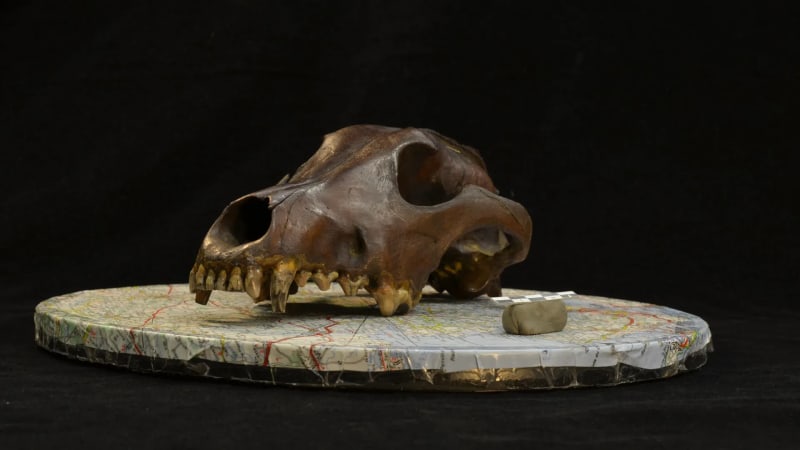
Ancient Dog Skulls Reveal Beautiful 11,000-Year Bond Between Humans and Canines
Groundbreaking research shows that our beloved dogs began their incredible journey of diversity over 11,000 years ago—much earlier than scientists believed! This heartwarming discovery reveals thousands of years of deep friendship and coevolution between humans and their faithful canine companions.
In a discovery that beautifully illuminates humanity's oldest friendship, researchers have uncovered evidence that dogs and humans have been shaping each other's lives for far longer than we ever imagined. A remarkable global study reveals that our canine companions began diversifying into different shapes and sizes over 11,000 years ago, painting a touching picture of ancient partnership and mutual adaptation.
This groundbreaking research, published in Science and led by the University of Exeter and France's CNRS, represents the most comprehensive analysis of dog skulls ever conducted. The ambitious project brought together scientists from more than 40 institutions worldwide, examining 643 skulls spanning an incredible 50,000 years of history—from the Pleistocene era to today.
What makes this discovery so special is what it tells us about the depth of the human-dog relationship. For years, scientists thought most dog diversity came from modern breeding practices of the Victorian era. But this beautiful new evidence shows that dogs were already adapting and changing thousands of years earlier, driven by their growing bond with human communities.
"These results highlight the deep history of our relationship with dogs," said co-lead author Dr. Carly Ameen of Exeter's Department of Archaeology and History. "Diversity among dogs isn't just a product of Victorian breeders, but instead a legacy of thousands of years of coevolution with human societies."
The research team used sophisticated 3D modeling and geometric analysis to track how early dogs transformed over millennia. What they found was heartening: by the Mesolithic and Neolithic periods, dogs already displayed a wonderful range of skull shapes and body sizes, reflecting the many valuable roles they played in early human life—hunting partners, herding helpers, loyal guardians, and cherished companions.
Dr. Allowen Evin from CNRS explained that dogs began showing reduced skull size between 9,700 and 8,700 years ago, with size variation increasing from 7,700 years ago. By the Neolithic period, dog diversity had already reached half the range we see in modern dogs—a testament to how quickly these amazing animals adapted alongside us.
The oldest confirmed domestic dog in the study came from the Russian site of Veretye, dating back approximately 11,000 years. Early domestic dogs also appeared in America around 8,500 years ago and Asia around 7,500 years ago, showing how this special relationship blossomed across the globe.
Professor Greger Larson from the University of Oxford beautifully summarized the findings: "Once dogs emerged, they diversified rapidly. Their early variation reflects both natural ecological pressures and the profound impact of living alongside humans."
This research celebrates not just scientific discovery, but the enduring story of companionship, loyalty, and mutual growth between two species. It reminds us that every dog we love today carries within them thousands of years of shared history—a living legacy of humanity's most enduring friendship. As we continue to cherish our canine companions, we're participating in a bond that has warmed human hearts for over eleven millennia.
Based on reporting by Science Daily
This story was written by BrightWire based on verified news reports.
Spread the positivity! 🌟
Share this good news with someone who needs it
More Good News
 🌐 Global News
Exciting Discovery: Ancient Fossils Fill Missing Chapter in Human Story
 🌐 Global News
Ancient Discovery in Morocco Illuminates Our Shared Human Story
 🌐 Global News
Spectacular Iron Age Treasure Unlocks Ancient Secrets in Norfolk Discovery
Joke of the Day
Why don't scientists trust atoms?
Explore Categories
Quote of the Day
"The only way to do great work is to love what you do."
— Steve Jobs