
Ancient Greek Ruins Become Thriving Sanctuaries for Endangered Wildlife
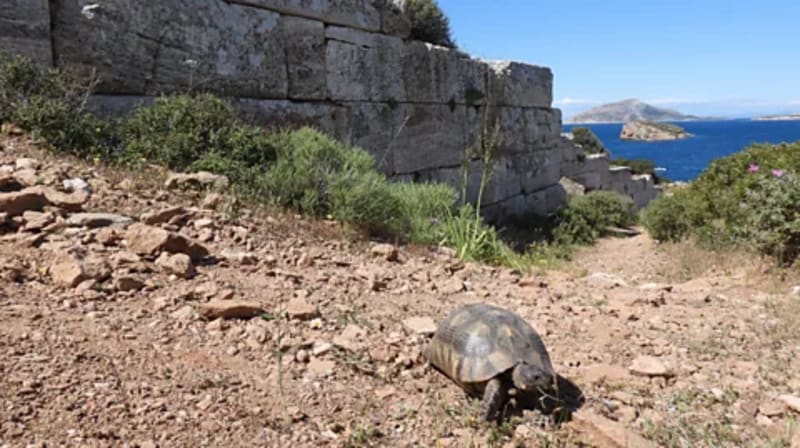
Archaeological sites across Greece are providing unexpected havens for rare species, with protected ruins sheltering 11% of the country's biodiversity in just 0.08% of its territory. These ancient landscapes are proving that preserving cultural heritage also protects precious wildlife for future generations.
In a heartwarming twist of fate, the ancient ruins that have captivated historians for centuries are now serving a second vital purpose: protecting some of the world's most vulnerable species.
Across Greece and beyond, archaeological sites are emerging as unexpected heroes in the fight to preserve biodiversity. From tiny snails discovered at Delphi to rare vipers thriving among ancient stones, these protected historical landscapes have quietly become thriving sanctuaries for wildlife.
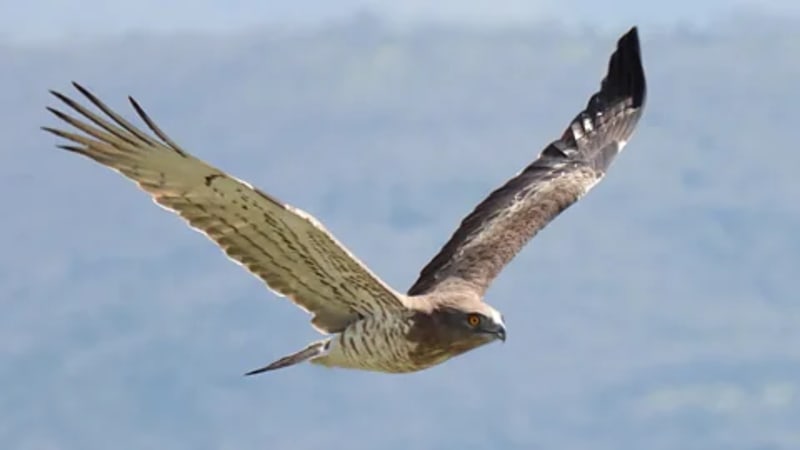
The discovery is both remarkable and inspiring. A groundbreaking study of 20 Greek archaeological sites revealed an astonishing 4,403 species living among the ruins – representing about 11% of Greece's known biodiversity concentrated in just 0.08% of the country's land. "Even these small areas work as biodiversity refuge centres," explains Professor Panayiotis Pafilis of the National and Kapodistrian University of Athens, who led the research.
The key to this success story lies in preservation itself. While the surrounding landscapes have changed dramatically over decades and centuries, archaeological sites have remained relatively untouched, protected for their cultural significance. This unintentional conservation has created stable environments where plants and animals can flourish.
The phenomenon extends far beyond Greece. In Lima, Peru, the critically endangered Lima leaf-toed gecko has found sanctuary in pre-Incan pyramids scattered throughout the modern city. Researcher Alejandra Arana notes these ancient huacas are "the only sort of natural landscape" remaining in the area. In Italy, rare orchids bloom around Etruscan necropolises, while Machu Picchu has recently revealed two new species of lizards.
Perhaps most enchanting is how some species are thriving in locations mentioned in ancient myths and legends – from Odysseus' oak tree to Socrates' hemlock – suggesting an extraordinary continuity of life across millennia.
The findings highlight an important truth: protecting our cultural heritage simultaneously safeguards our natural world. As Panagiota Maragou, conservation director for WWF Greece, observes, archaeological site managers naturally maintain settings that prove hospitable to wildlife, creating win-win scenarios for both history and nature.
This revelation comes at a crucial time. With vertebrate populations having declined by 73% since 1970 globally, and nearly two in five plant species facing extinction threats, every refuge matters. The Greek government's Biodiversity in Archaeological Sites research project, launched in 2022, demonstrates how understanding these connections can guide future conservation efforts.
The research also revealed that animal populations in these sites are often denser than in surrounding areas, showing these aren't just refuges – they're thriving ecosystems where wildlife can genuinely flourish.
As we face mounting environmental challenges, these ancient sites offer hope and a path forward. They prove that spaces protected for one noble purpose can serve multiple essential functions. Every preserved archaeological landscape becomes a living ark, carrying precious species into the future while honoring our past.
This beautiful intersection of cultural preservation and conservation shows us that protecting what matters to humanity – our history, our heritage, and our natural world – are not separate goals but complementary ones, working together to create a richer, more diverse world for generations to come.
More Images


Based on reporting by Google News - Species Saved
This story was written by BrightWire based on verified news reports.
Spread the positivity! 🌟
Share this good news with someone who needs it
More Good News
 🌍 Planet Wins
Rwanda's Parks Welcome 150K Visitors as Lions Return to Akagera
 🌍 Planet Wins
Costa Rica Builds 48 Wildlife Crossings to Protect Sloths and Monkeys
 🌍 Planet Wins
Miracle in the Mountains: Rare Gorilla Twins Bring Hope to DR Congo's Virunga Park
Joke of the Day
Why did the dog apply for a job at the bank?
Explore Categories
Quote of the Day
"The greatest thing you'll ever learn is just to love and be loved in return."
— Moulin Rouge (from the film, popularized by Ewan McGregor)