Ancient Peru Used Seabird Poop to Build a Kingdom
Scientists discovered that a thriving 100,000-person civilization in ancient Peru grew powerful by using seabird droppings as fertilizer for their crops. The discovery reveals how the Chincha Kingdom turned an unlikely natural resource into agricultural gold over 2,200 years ago.
Ancient Peruvians turned piles of bird poop into one of history's most successful civilizations, and scientists just figured out how they did it.
Researchers studying 2,200-year-old corn cobs from Peru's Chincha Valley found something remarkable. The nitrogen levels in the ancient maize were far higher than natural soil could produce, matching perfectly with droppings from 11 seabird species that lived on nearby islands.
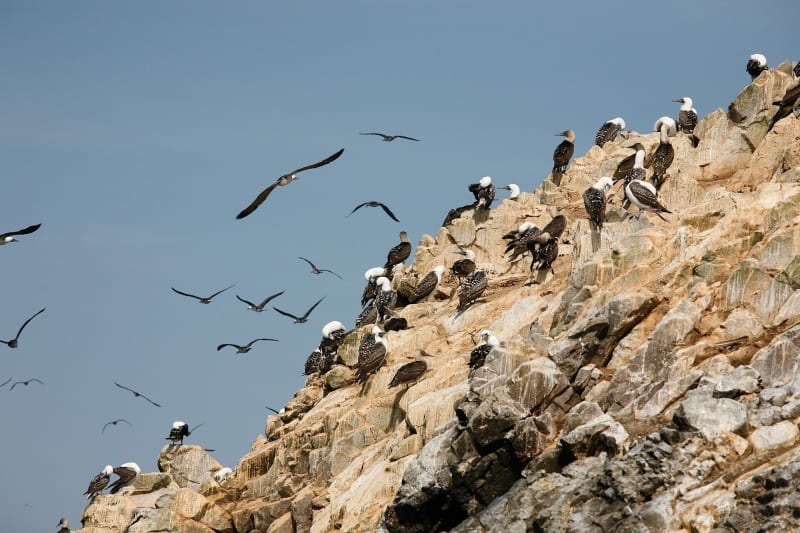
The Chincha people had discovered nature's perfect fertilizer. Thick layers of guano from Peruvian boobies, pelicans, and cormorants covered the Chincha Islands just offshore, and ancient farmers collected it to supercharge their crops.
This simple innovation helped the Chincha Kingdom grow into a major civilization of 100,000 people by 1250 AD. Their agricultural success became so famous that the powerful Inca Empire inland took notice and eventually absorbed the kingdom to control the valuable guano deposits.
"The height of guano use was likely around AD 1250, which also represents the height of the Chincha Kingdom," says Jacob Bongers, lead researcher from the University of Sydney. The Chincha became the official guano suppliers for the vast Inca Empire.
The Inca understood they were managing something precious. They banned killing seabirds during breeding season, with violators facing the death penalty to protect the source of their agricultural power.
The Ripple Effect
This discovery shows how ancient societies worked with nature rather than against it. The Chincha people created a sustainable farming system that fed a massive population without depleting their land or harming the wildlife that made it possible.
Their success also reveals gaps in our understanding of pre-Columbian America. Archaeologist Jordan Dalton notes that the Chincha were "a wealthy coastal polity" that traded and competed with neighbors, but many details about their social relationships and commerce remain mysteries waiting to be uncovered.
The story of seabird guano reminds us that brilliant solutions often come from observing and partnering with the natural world around us.
More Images

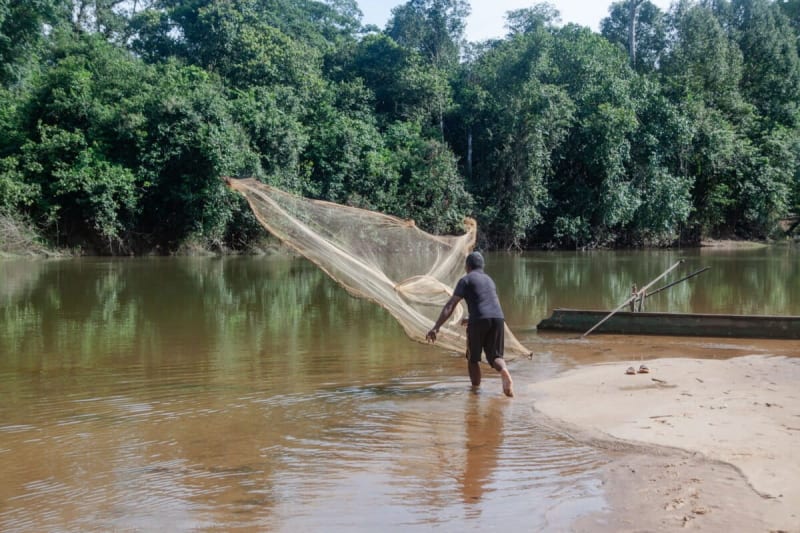
Based on reporting by Mongabay
This story was written by BrightWire based on verified news reports.
Spread the positivity!
Share this good news with someone who needs it
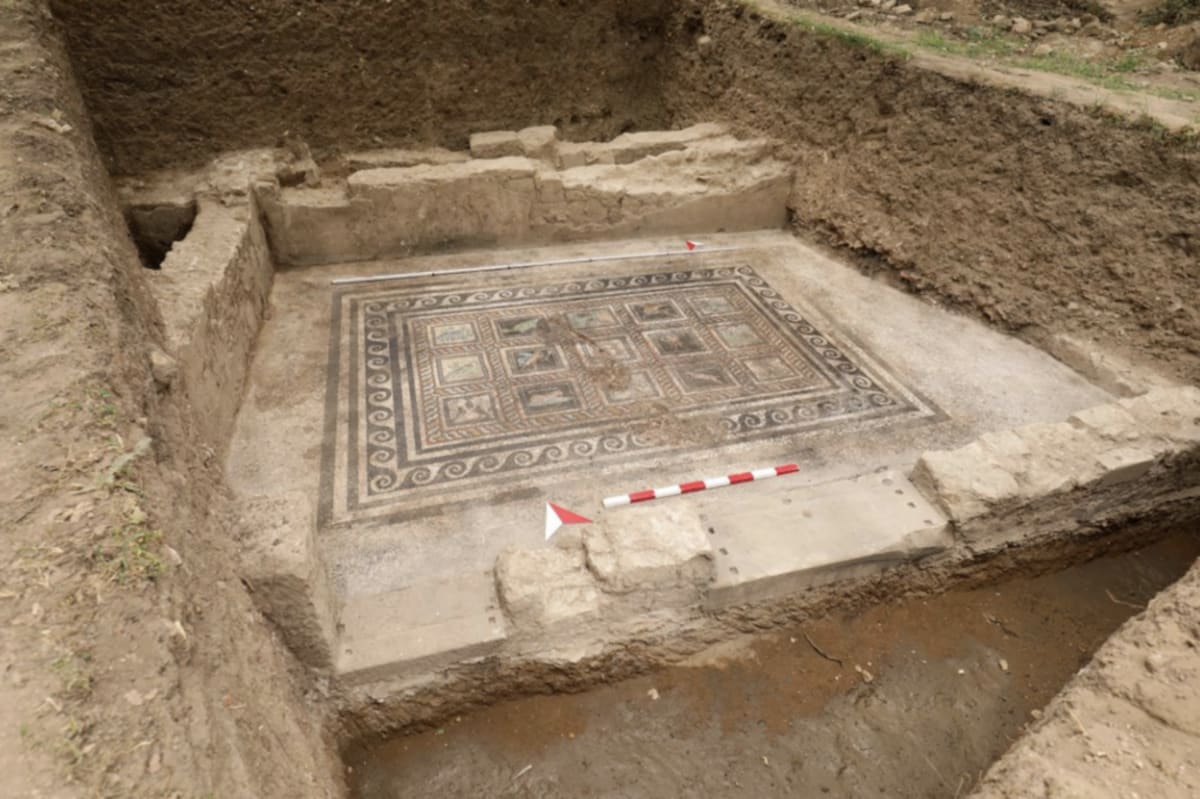
%2Ffile%2Fattachments%2F2997%2F36Thulamela_Archaeological_Research_Field_Trip_Sept_2025_035_372816.jpg)