
Ancient Ruins Become Unexpected Sanctuaries for Endangered Wildlife
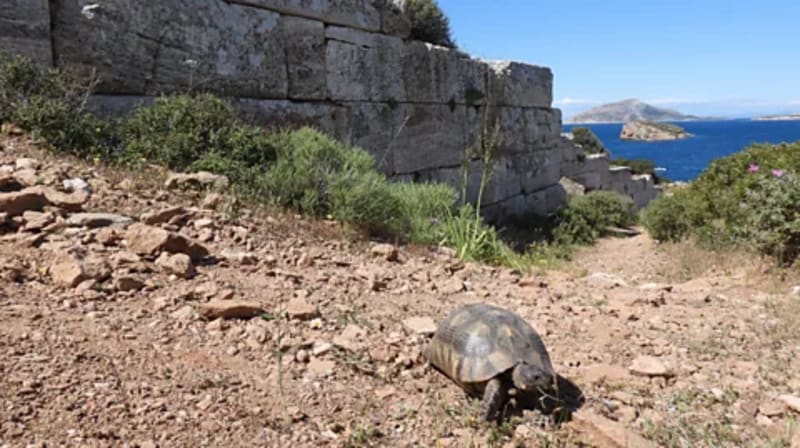
Archaeological sites across Greece and beyond are providing crucial refuges for threatened species, with protected ancient monuments harboring an astonishing 11% of Greece's biodiversity in just 0.08% of its territory. These historical treasures are proving that preserving cultural heritage and protecting nature can go beautifully hand in hand.
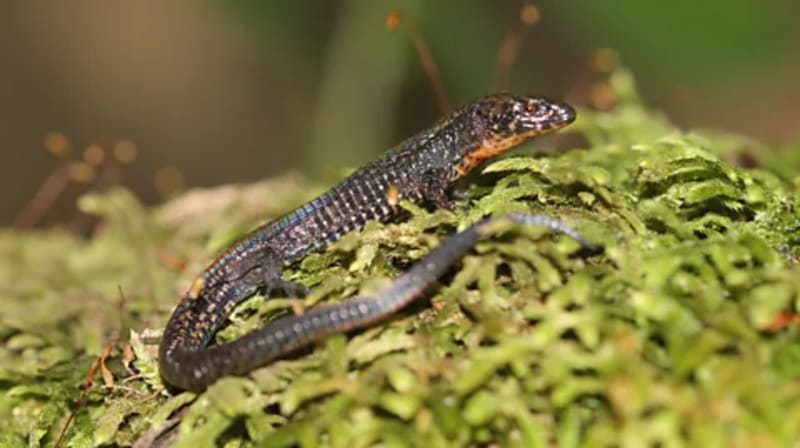
In the heart of Lima, Peru, a remarkable story of survival unfolds within the ancient walls of a 1,500-year-old pre-Incan pyramid. The critically endangered Lima leaf-toed gecko has found sanctuary in these sacred spaces, thriving among the crannies of structures that have stood for millennia. It's a heartwarming pattern repeating itself across the globe, where ancient sites are becoming unexpected havens for wildlife.
Researcher Alejandra Arana, who studies these resilient little lizards, has discovered that they live almost exclusively around huacas—pre-Hispanic monuments scattered throughout Lima. While modern development has claimed much of their natural habitat, these protected archaeological sites preserve the native desert ecosystem the geckos need to survive.
The phenomenon extends far beyond Peru's capital. Across the Mediterranean, rare orchids bloom around Etruscan burial grounds in Italy. At the legendary site of Delphi in Greece, scientists recently discovered what may be a new species of snail, measuring just 2mm long. At Machu Picchu, two previously unknown lizard species have been identified, flourishing in the undisturbed conditions of the ancient sanctuary.
The connection between these creatures and ancient sites sometimes mirrors old myths and legends, creating an extraordinary thread linking past and present. Archaeological locations mentioned in classical stories for their specific plants and animals still harbor those very species today, from Odysseus' oak trees to Socrates' hemlock.
A groundbreaking study led by Professor Panayiotis Pafilis at the National and Kapodistrian University of Athens has revealed just how significant these sites are for biodiversity. Greece's Biodiversity in Archaeological Sites project surveyed 20 historical locations and found an astounding 4,403 species—representing about 11% of all known biodiversity in Greece, concentrated in just 0.08% of the country's territory.
"These archaeological sites work as biodiversity refuge centers," explains Pafilis. Protected for nearly two centuries to preserve cultural treasures, they've simultaneously created stable environments where wildlife can thrive, shielded from the development and agricultural changes that have altered surrounding landscapes.
The research revealed that animal populations tend to be notably denser within archaeological sites compared to nearby areas. At Mystras, a magnificent 13th-Century Byzantine city, researchers found six of seven lizard species endemic to the Peloponnese region thriving within the ancient walls.
This beautiful synergy between cultural preservation and wildlife conservation offers hope in an era when biodiversity faces mounting pressures. Panagiota Maragou, conservation director for WWF Greece, notes that while human activities have created challenges for wildlife, archaeological sites demonstrate how human stewardship can also create solutions.
The findings suggest an inspiring path forward: protecting our cultural heritage doesn't just honor the past—it actively safeguards the future of countless species. These ancient sites prove that conservation and cultural preservation aren't competing interests but complementary goals, creating pockets of thriving biodiversity in an increasingly developed world.
As researchers continue studying these remarkable refuges, they're uncovering evidence that our commitment to preserving history may be one of nature's best allies.
More Images

Based on reporting by BBC Future
This story was written by BrightWire based on verified news reports.
Spread the positivity! 🌟
Share this good news with someone who needs it
More Good News
 🌍 Planet Wins
Rwanda's Parks Welcome 150K Visitors as Lions Return to Akagera
 🌍 Planet Wins
Costa Rica Builds 48 Wildlife Crossings to Protect Sloths and Monkeys
 🌍 Planet Wins
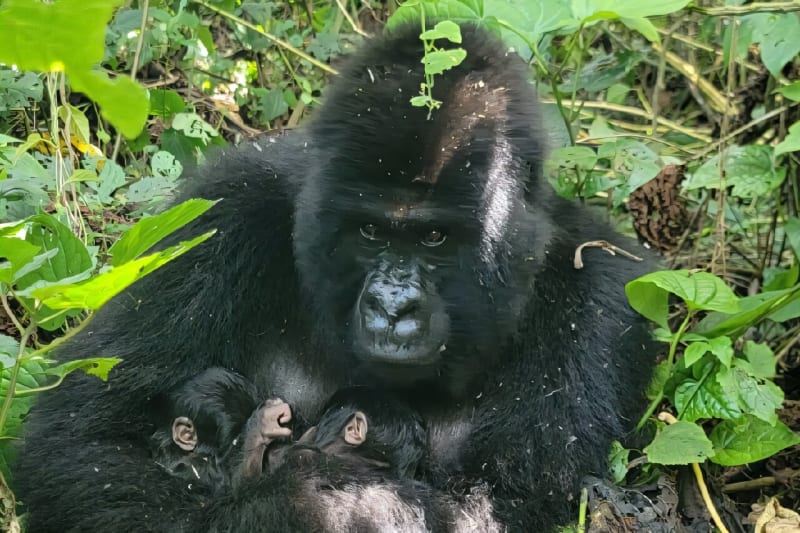
Miracle in the Mountains: Rare Gorilla Twins Bring Hope to DR Congo's Virunga Park
Joke of the Day
Why did the dog apply for a job at the bank?
Explore Categories
Quote of the Day
"The greatest thing you'll ever learn is just to love and be loved in return."
— Moulin Rouge (from the film, popularized by Ewan McGregor)