Armenia and Azerbaijan Move Closer to Historic Peace Deal
After decades of conflict, Armenia and Azerbaijan are on track to sign a peace treaty in the coming months following a breakthrough summit in Washington. The South Caucasus neighbors are choosing cooperation over confrontation.
Two countries that have been locked in conflict for decades are now within months of signing a historic peace agreement.
Armenian Foreign Minister Ararat Mirzoyan told the Council of Europe that Armenia and Azerbaijan hope to finalize and ratify their peace treaty soon. The announcement signals a dramatic shift in one of the world's longest-running territorial disputes.
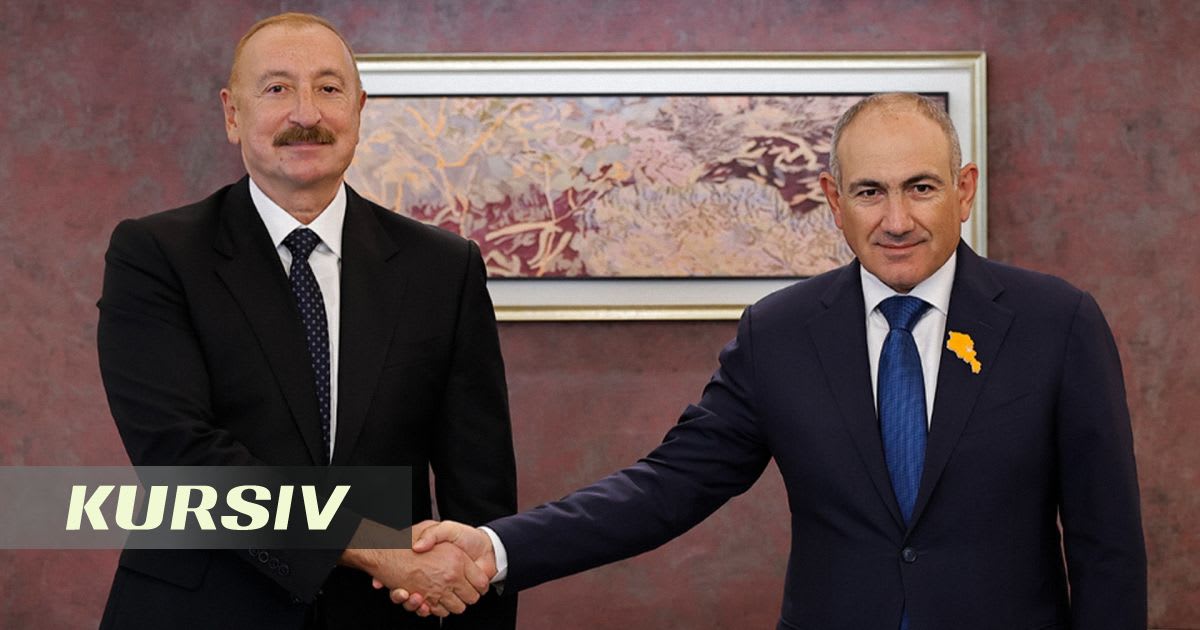
The breakthrough came during a peace summit in Washington on August 8, 2025. Armenian Prime Minister and Azerbaijan's President met with the US President to sign a joint declaration and initial an agreement establishing peace and interstate relations. Both nations committed to respecting each other's sovereignty and territorial integrity.
Mirzoyan described the moment as historic. He emphasized that Armenia has made a conscious choice to prioritize peace and stability in the South Caucasus region.
The foreign minister framed the decision in deeply human terms. Armenia's commitment to its citizens and future generations means choosing cooperation over confrontation and development over decline.
The Ripple Effect
This peace process extends beyond just two nations signing documents. Humanitarian measures are already playing a key role in helping Armenian and Azerbaijani societies reconcile after years of tension.
The normalization between these neighbors could stabilize an entire region that has long been a flashpoint. The South Caucasus sits at the crossroads of Europe and Asia, and peace here opens doors for trade, cultural exchange, and regional cooperation.
The Council of Europe has actively supported the peace process. France and other nations have also backed the progress between the two countries.
Mirzoyan closed his remarks with a reminder that peace, like democracy, requires constant effort and protection. But Armenia appears committed to doing that work, taking consistent steps toward a future where neighbors choose dialogue over division.
Based on reporting by Google News - Peace Agreement
This story was written by BrightWire based on verified news reports.
Spread the positivity!
Share this good news with someone who needs it