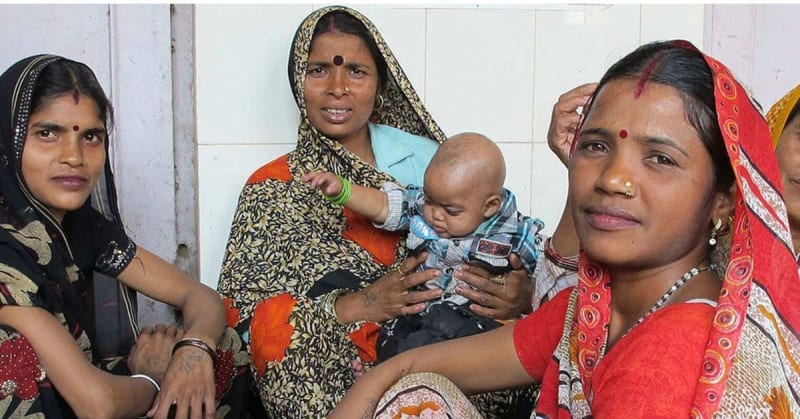
Assam's Health Platform Serves Millions With Zero Silos
A homegrown digital system in Assam transformed fragmented health data into a unified platform serving millions. The result: maternal deaths cut nearly in half and 100% digital payments to community health workers.
When Assam's health officials looked at their data systems in 2018, they saw chaos. HR records, finances, health worker incentives, and patient information lived in separate worlds that never talked to each other.
So they built something remarkable. Swasthya Sewa Dapoon, a comprehensive digital platform created entirely by state teams using open-source technology, brought every piece of the health puzzle into one place.
The platform now tracks everything from doctor transfers to drug inventory to health worker performance. More importantly, it does it in real time, meaning decisions that once took weeks now happen in hours.
The numbers tell a powerful story. Assam's Maternal Mortality Ratio dropped from 480 deaths per 100,000 births to 237 over a decade. Infant deaths fell from 68 per 1,000 to 44 in the same period, thanks to better tracking and faster responses when problems emerged.
Community Health Officers now serve through a transparent system that recorded over 1.5 million patient visits and more than 36,000 deliveries in just one year. Every interaction gets logged, creating accountability and helping identify gaps in care.
For ASHA workers, the frontline health heroes in rural India, the change was dramatic. The platform enabled 100% direct bank transfers for their incentive payments, eliminating delays and middlemen. Performance tracking became fair and transparent, rewarding those making the biggest difference.
The system even tackles unglamorous but critical issues like medicine stockouts. Real-time inventory tracking keeps essential drug shortages below 10%, meaning patients aren't turned away empty-handed.
The Ripple Effect
What makes this story extraordinary is its ripple potential. Built on affordable, open-source technology and running on state servers, the platform costs a fraction of commercial alternatives. Other states can adapt it for their health systems without massive budgets.
The modular design means it's not just for healthcare. The same approach could transform how governments deliver education, nutrition programs, or rural development services. Assam proved that public sector innovation can match or beat private tech solutions when built with purpose and transparency.
The platform directly supports India's Digital India Mission and Ayushman Bharat goals. By mapping every health facility with GPS coordinates, it strengthens infrastructure planning. By democratizing access to information, it empowers both workers and patients.
Led by J.V.N. Subramanyam during his tenure as NHM mission director, the initiative showed what's possible when technology serves people rather than replacing human connection. The digital backbone enhanced what health workers were already doing, making their efforts more visible and their impact more measurable.
Today, millions of people in Assam receive better healthcare because someone decided fragmented systems weren't good enough.
More Images
%2Fenglish-betterindia%2Fmedia%2Fmedia_files%2F2026%2F01%2F29%2Ftbi-featured-image-13-2026-01-29-19-32-58.jpg)
%2Ffilters%3Aformat(webp)%2Fenglish-betterindia%2Fmedia%2Fmedia_files%2F2026%2F01%2F29%2F49423080661_b80c011796_b-2026-01-29-19-33-59.jpg)
%2Fenglish-betterindia%2Fmedia%2Fmedia_files%2F2026%2F01%2F22%2Ftbi-featured-image-8-2026-01-22-18-33-57.jpg)
Based on reporting by The Better India
This story was written by BrightWire based on verified news reports.
Spread the positivity!
Share this good news with someone who needs it