Australia's $35B Plan: Polluters Pay, Households Get Cash
Australia could cut emissions and give families hundreds in annual payments by making fossil fuel companies pay for the damage they cause. A new proposal backed by top economists would collect $35 billion yearly from polluters and compensate households for energy costs.
Imagine getting paid hundreds of dollars a year while helping solve climate change. That's the bold idea behind Australia's proposed "polluter pays levy" that would make fossil fuel companies foot the bill for their emissions instead of ordinary citizens.
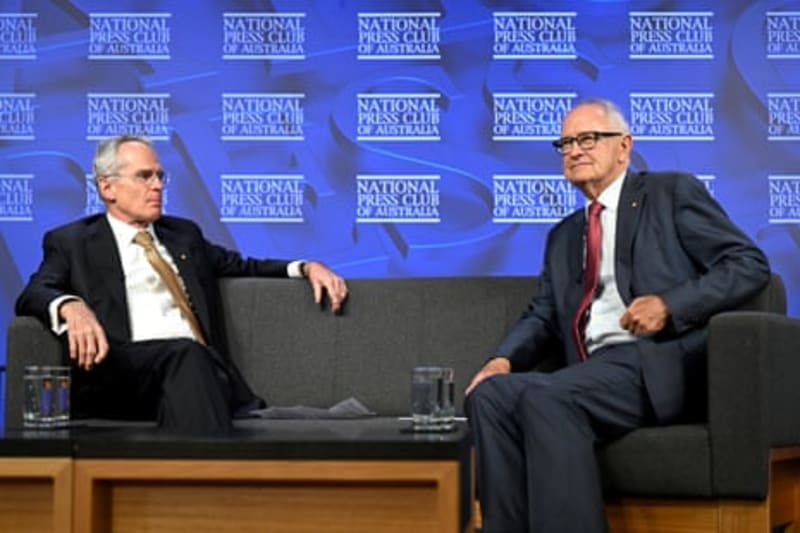
The Superpower Institute, led by senior economists Ross Garnaut and Rod Sims, released a plan that would tax about 60 fossil fuel companies for the carbon content of their products. These companies are responsible for 80% of Australia's emissions, but right now everyday Australians pick up the tab for climate damage.
Here's how families would benefit: households would receive compensation payments frontloaded over the next decade through universal energy payments and targeted support packages. As families gradually shift from gas, petrol, and diesel to clean electricity, the payments would decline but their overall costs would drop even lower than what they pay today.
The scheme would collect an average of $35.6 billion annually from 2026 to 2050. About $5 billion yearly would go directly to household cost-of-living relief, while the rest would help fix Australia's budget deficit and fund social programs and green industries.
The pollution levy would start at $17 per tonne of carbon dioxide and eventually link to the European Union's carbon price by 2034. A separate "fair share levy" would increase taxes on local gas producers from 30% to nearly 60%, matching rates in major fossil fuel exporting countries like Norway.
Small businesses would also receive compensation under the plan. The institute's modeling shows the levies would be economically neutral and wouldn't affect gas industry investment returns or export prices.
Former Treasury head Ken Henry, who led the department for a decade, called the numbers credible and backed the recommendations. He said Australians understand that big changes need to happen and that national benefits have been concentrated in too few hands.
The Ripple Effect
The proposal arrives at a moment when attitudes toward climate action have shifted dramatically. Polling commissioned by the institute found 68% of Australians support introducing a polluter levy on the country's biggest greenhouse gas emitters.
Rod Sims emphasized the fairness principle behind the plan. "If you cause the damage you should help fix it," he said, noting it's a simple concept that most people already understand in their daily lives.
This isn't just about climate policy or budget fixes. It's about who pays for Australia's transition to clean energy and ensuring ordinary families don't get left behind while the country tackles one of the biggest challenges of our time.
Australia tried carbon pricing 12 years ago before it was abolished, but economists say the political, economic, and climate landscape has transformed since then. Public understanding of climate impacts has grown, energy technology has advanced, and people increasingly expect polluters to take responsibility.
The proposal gives Australia's government three clear choices: miss emissions targets under current policies, ramp up existing policies in ways that hurt consumers, or make polluters pay while dramatically accelerating emissions cuts and supporting families through the transition.
More Images



Based on reporting by Guardian Environment
This story was written by BrightWire based on verified news reports.
Spread the positivity!
Share this good news with someone who needs it