Australia's Shed-Based Archive Preserves Aboriginal History
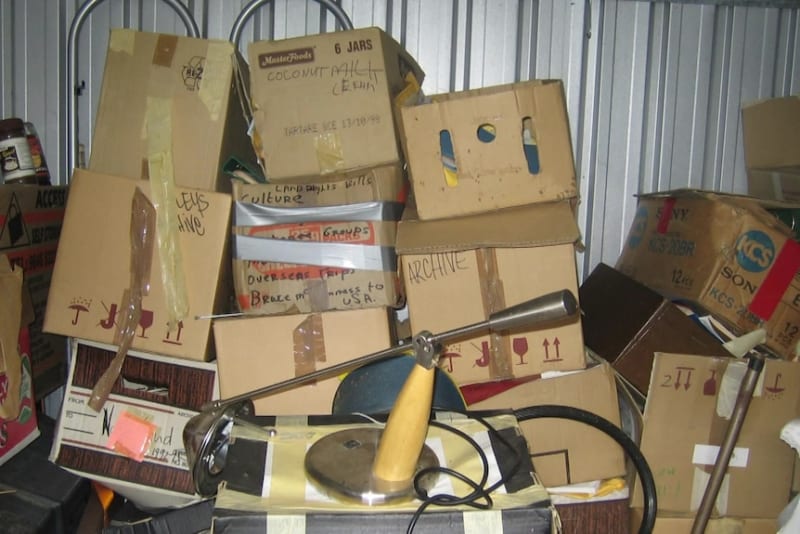
For 45 years, Aboriginal activist Gary Foley saved every poster, letter, and photograph from Australia's civil rights movement in his shed. Now housed at Victoria University, this one-of-a-kind collection lets Indigenous students preserve and share their own history.
What started as boxes stuffed in a garden shed has become Australia's only Aboriginal-owned archive of civil rights history.
Gumbaynggirr academic Gary Foley spent decades at the heart of Australia's Black Power movement in the 1970s and 80s, helping establish Aboriginal-led health clinics, legal services, and media organizations. But his greatest contribution might be what he never threw away.
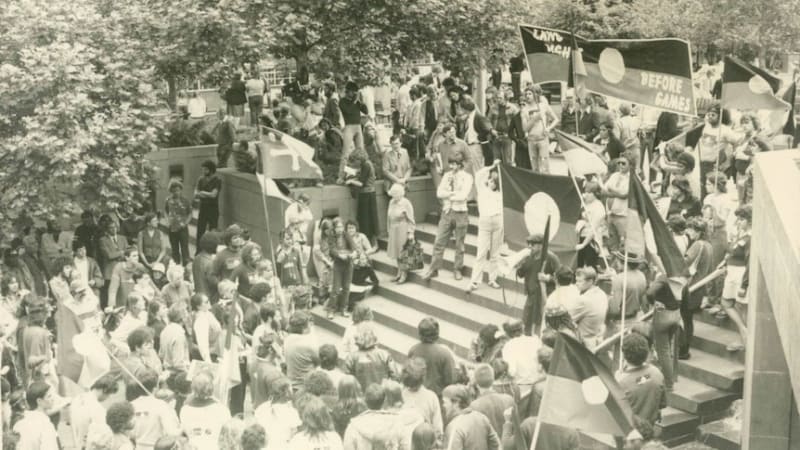
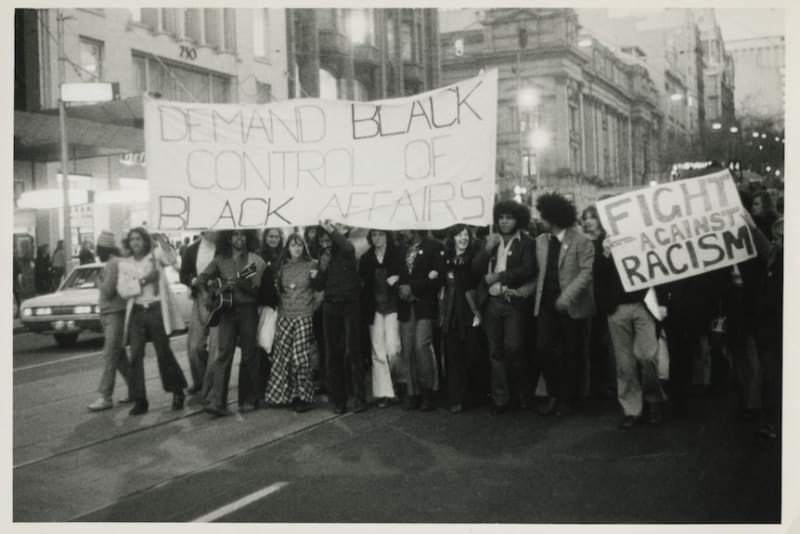
For 45 years, Professor Foley kept everything: protest posters, handwritten manifestos, photographs from land rights demonstrations, even cheeky letters telling the KKK that Aboriginal activists "already have a good supply of toilet paper." Each item told a story that traditional archives weren't interested in preserving.
"For many years, lots of places weren't interested," says Kim Kruger, an Aboriginal lecturer and researcher. The collection eventually outgrew Foley's house and shed, forcing him to search for a permanent home.
In 2017, Victoria University's Moondani Balluk Academic Centre in Melbourne finally said yes. The Aboriginal History Archive now spans a century of activism dating back to the 1920s, making it the only collection of its kind in Australia.
What makes this archive revolutionary isn't just what it contains, but who controls it. "Archives have often kept us out and they've been a tool of control," Kruger explains. "What Professor Foley's set up here is a collection that tells our political history from our point of view."
The Ripple Effect
Indigenous students now work alongside staff to digitize and preserve the collection, directly connecting with their communities' political struggles. For Noongar and Yamatji student Elijah McDonald, touching these historical documents feels like touching his own heritage.
Taylah Austen, a Gunggari and Kamilaroi student, describes the work as transformative. "You actually feel like you're making a difference in some way," she says. "I've never had a job where it has done so much for my brain, my soul, my spirit."
The archive continues growing as families donate their own photographs and memorabilia. Archivist Will Bracks carefully preserves one-of-a-kind items, including a 1981 poster from demonstrations against South Africa's apartheid regime.
These aren't just historical artifacts gathering dust. They're teaching tools showing today's students that fights for land rights, self-determination, and representation have deep roots and dedicated champions who came before them.
One garden shed's worth of memories now ensures that future generations can learn Aboriginal history from Aboriginal voices.
More Images

Based on reporting by ABC Australia
This story was written by BrightWire based on verified news reports.
Spread the positivity!
Share this good news with someone who needs it