Bangkok Leader Proposes 3 Laws to Fight Air Pollution
A Thai political leader campaigned for clean air reforms while walking through Bangkok's hazardous smog, proposing new laws and transport incentives to tackle the city's pollution crisis. His plan includes protecting citizens' right to clean air and cutting emissions across transport and agriculture.
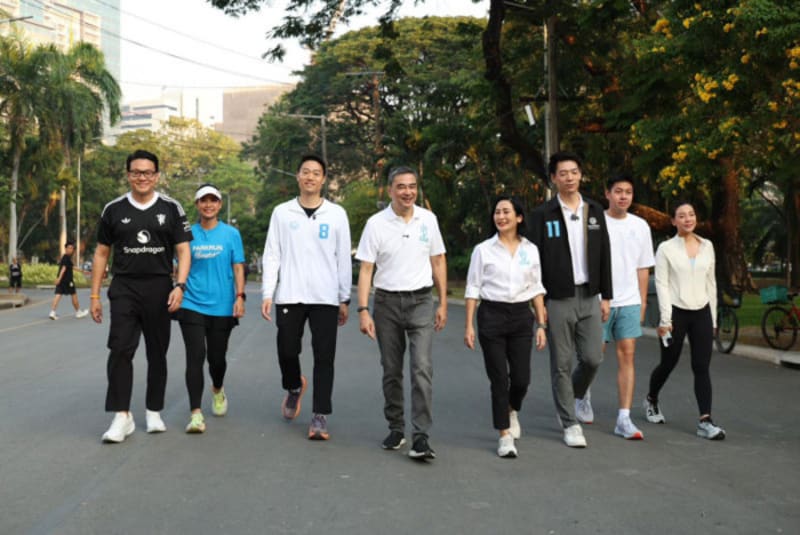
When air quality hits hazardous levels, most people stay inside, but Abhisit Vejjajiva walked straight into Bangkok's toxic haze with a plan to fix it. The Democrat Party leader spent Wednesday at Lumpini Park unveiling a comprehensive strategy to give Thai citizens something many take for granted: the right to breathe clean air.
Abhisit's proposal centers on three key laws designed to tackle pollution from every angle. The Clean Air Act would legally protect citizens' right to clean air, while a circular economy law would cut waste and pollution at the source. A climate change law rounds out the trio, preparing Thailand for long-term environmental challenges.
The transport plan offers real relief for Bangkok residents struggling with both pollution and expensive commutes. Abhisit proposes an integrated network of electric trains and buses with fares capped between 5 and 30 baht, making clean transportation accessible to everyone while slashing emissions from one of the city's biggest pollution sources.
Agriculture gets attention too, with plans to end the open burning that contributes to seasonal air quality disasters. Farmers would receive funding and technology to manage crop waste without fire, turning a pollution problem into an opportunity for better farming practices.
The Ripple Effect
Abhisit's vision extends beyond Thailand's borders, recognizing that smog doesn't respect national boundaries. He plans to push clean air as an urgent agenda within ASEAN, working with neighboring countries to reduce regional pollution hotspots that affect millions across Southeast Asia.
The proposal goes further with promises to support rubber farmers through value-added processing that could raise prices to 80 baht per kilogram. Fair pricing for palm oil and a transparent fundraising approach show a commitment to economic justice alongside environmental protection.
Walking through hazardous air to campaign for clean air reform sends a powerful message about priorities. While other politicians might have canceled outdoor events, Abhisit used the toxic conditions as a living example of why these laws matter now.
The Democrats plan to unveil their 90-day economic plan soon, but the clean air proposal addresses something money can't buy: the health and wellbeing of millions breathing polluted air daily.
Thailand's air quality crisis affects children playing outside, elderly citizens with respiratory conditions, and workers commuting through toxic haze. Legal protections for clean air could transform public health across the country while creating jobs in clean technology and sustainable agriculture.
More Images


Based on reporting by Bangkok Post
This story was written by BrightWire based on verified news reports.
Spread the positivity! 🌟
Share this good news with someone who needs it