
BBC Journalist Thrives at 25 After Doctors Said He'd Die at 2
Ben Morris was diagnosed with Spinal Muscular Atrophy at six months old and given just two years to live. Today, the 25-year-old BBC journalist is living independently, working full-time, and showing families facing the same diagnosis that a fulfilling life is absolutely possible.
Doctors told Ben Morris's parents in 2001 that their baby son might not survive beyond his second birthday.
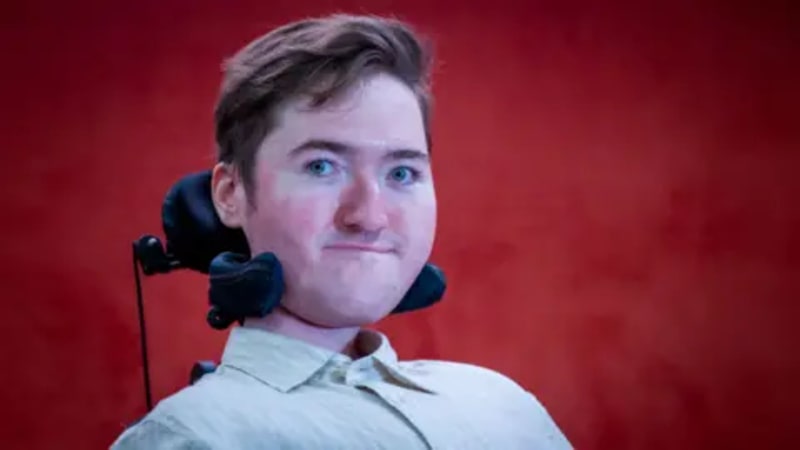
Now 25, Ben is a thriving BBC journalist who works independently, commutes across London, and lives life on his own terms. His story is giving hope to families like Jesy Nelson's, whose twin daughters were recently diagnosed with the same muscle-weakening condition called Spinal Muscular Atrophy.
Ben's parents first noticed something different when he was six months old. While other babies were kicking and crawling, Ben was content sitting still in his buggy, watching the world go by.
At a GP visit, the doctor initially dismissed their concerns. When Ben's parents insisted on tests, the doctor placed baby Ben on an exam table and let go. Ben fell over immediately without moving his arms to catch himself, prompting the doctor to say just one word: "Oh."
The diagnosis came on October 15, 2001. Ben has SMA type two, a genetic condition that severely weakens muscles and impacts breathing. The neurologist warned his parents that winter colds could be life threatening for babies with SMA.
But when they returned for a checkup in early 2002, the neurologist had different news. "He's a survivor," he remarked.
Today, Ben uses an electric wheelchair to get around London (he jokes that he never has to stand on the crowded Tube). He takes a daily medication called Risdiplam to keep his condition stable and uses a ventilator overnight to help with breathing.
Ben attended mainstream schools with the same curriculum and expectations as everyone else. He raced on the track at London Stadium during a 2012 Olympics test event, spoke at 10 Downing Street, and earned a journalism degree from the University of Winchester.
His younger sister Emily, now taller than Ben because spinal surgery stopped his growth, has never treated him differently because of his disability. His father's project management skills helped coordinate all of Ben's care teams to work together instead of separately.
Treatment for SMA has improved dramatically since Ben's diagnosis. The NHS approved gene therapy in 2021 for babies, and Scotland will begin routine screening for newborns this spring.
Ben's message to families facing an SMA diagnosis today is clear: a fulfilled and happy life is absolutely possible.
More Images



Based on reporting by Google News - Entertainment
This story was written by BrightWire based on verified news reports.
Spread the positivity! 🌟
Share this good news with someone who needs it


