Beyond Weight Loss: How Novo Nordisk's Groundbreaking Drug is Reshaping Medical Science
Novo Nordisk's semaglutide represents a medical breakthrough with potential far beyond weight loss, promising innovative treatments for addiction, neurological disorders, and metabolic diseases. The drug's journey illustrates how patient scientific exploration can unlock transformative medical solutions.
In a groundbreaking year for pharmaceutical innovation, Novo Nordisk has emerged as a beacon of hope, demonstrating that medical breakthroughs often require patience and vision beyond immediate financial returns.
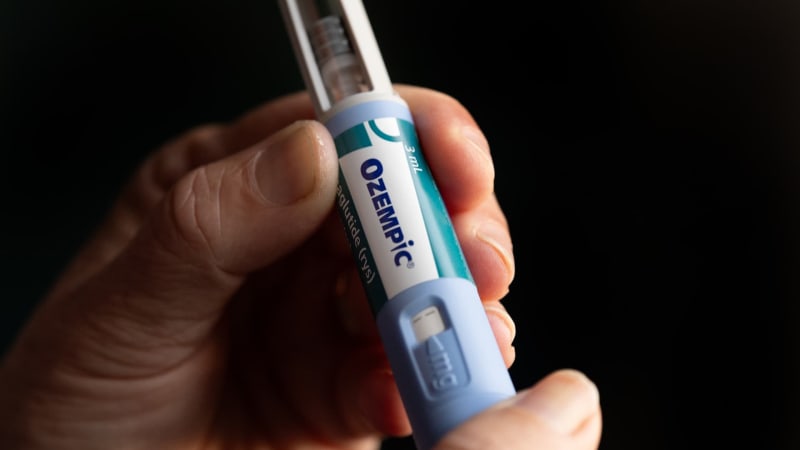
The Danish drugmaker has weathered significant investor skepticism, experiencing a tumbling stock price and a major leadership restructuring, yet scientists remain deeply optimistic about the potential of their revolutionary GLP-1 drugs, particularly semaglutide, marketed under the names Ozempic and Wegovy.
Originally developed to manage diabetes and blood sugar levels, semaglutide quickly gained recognition for its remarkable weight loss properties. The drug's journey from a diabetes treatment to a multi-purpose medical intervention represents a fascinating evolution in pharmaceutical research, with the U.S. Food and Drug Administration now approving it for treating liver disease, reducing cardiovascular risks, and supporting chronic kidney disease management in diabetic patients.
What makes semaglutide truly remarkable is emerging research suggesting its potential extends far beyond metabolic treatments. Observational studies indicate the drug might influence brain chemistry, potentially reducing cravings not just for food, but also for alcohol, tobacco, and recreational drugs by modulating dopamine signals in the brain's reward pathway.
Laura Nisenbaum from the Alzheimer's Drug Discovery Foundation underscores the significance of understanding how these drugs interact with brain function. 'Understanding that inflammation and energy usage in the brain is going to be so important for our normal cognitive function,' Nisenbaum explained, highlighting the potential implications for neurological and neuropsychiatric conditions.
Cutting-edge research is revealing even more promising applications. A study by Saint Luke's Mid America Heart Institute and University of Missouri suggests semaglutide and rival drug tirzepatide could represent the first effective 'anticonsumption' agents, potentially treating excessive food cravings, addiction behaviors, and even uncontrollable shopping impulses.
A small-scale clinical trial further demonstrated semaglutide's potential, showing that low-dose treatments significantly reduced alcohol consumption and cravings in patients with alcohol use disorder over nine weeks. While Novo Nordisk recently disappointed investors with inconclusive Alzheimer's research, the broader scientific community remains optimistic about the drug's transformative potential.
As competition intensifies in the weight loss pharmaceutical market, Novo Nordisk continues to invest in understanding the complex mechanisms of these groundbreaking drugs. The company's commitment to long-term scientific exploration suggests that the true value of semaglutide may lie not in immediate financial returns, but in its potential to revolutionize how we understand and treat a wide range of medical conditions.
Based on reporting by CNBC
This story was written by BrightWire based on verified news reports.
More Good News
 🚀 Innovation
Brain Chemistry and Food: Understanding the Hidden Addiction
 🚀 Innovation
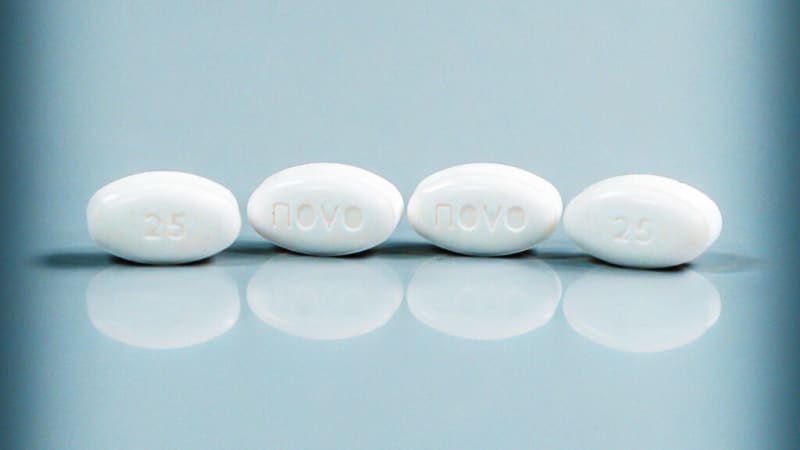
Novo Nordisk Launches Affordable Wegovy Pill, Challenging Weight Loss Market Dynamics
 🚀 Innovation