Breaking Barriers: First Woman Archbishop Brings Collaborative Vision to Church of England
Dame Sarah Mullally prepares to make history as the 106th Archbishop of Canterbury, bringing a message of listening and unity. Her groundbreaking appointment signals a new era of leadership for the Church of England.
In a landmark moment for the Church of England, Dame Sarah Mullally is poised to become the first woman to lead the historic institution, bringing with her a powerful message of affirmation and collaboration. Her upcoming installation as the 106th Archbishop of Canterbury represents more than just a personal achievement – it symbolizes a significant shift in ecclesiastical leadership.
Dame Sarah has been overwhelmed by the outpouring of support she's received, particularly from women within the church. One particularly touching moment came when an ordained woman wrote that Mullally's appointment was the first time she felt truly affirmed as a priest – a sentiment that underscores the profound impact of representation.
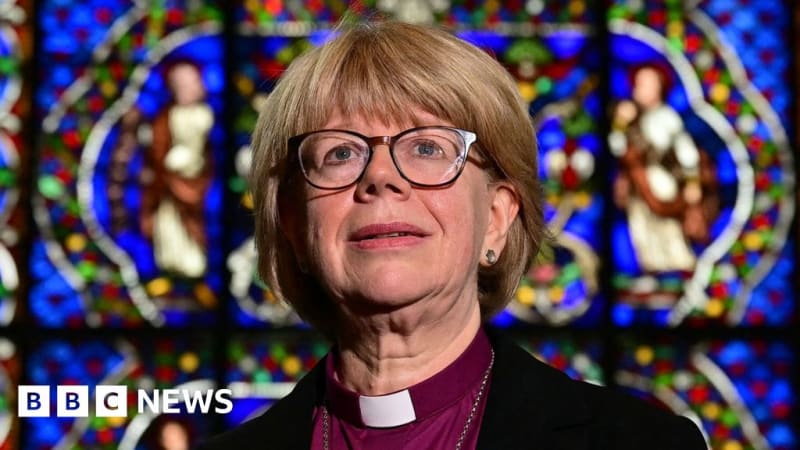
During a candid interview with former Prime Minister Theresa May on BBC Radio 4, Mullally reflected on her journey, acknowledging the "difficult moments" women have faced in leadership roles across various institutions, including the NHS and government. Her approach, however, remains resolutely inclusive, emphasizing the importance of collegiate and collaborative leadership.
The incoming archbishop is clear about her priorities: listening and understanding. She believes churches have a unique opportunity to bridge societal divides, particularly around complex issues like immigration and identity. "People do feel insecure, their identity has been challenged, and we shouldn't ignore that," she explained, highlighting her commitment to creating spaces for meaningful dialogue.
On the critical issue of assisted dying, Mullally remains steadfast in her opposition. Drawing from her experiences as both a nurse and a priest, she expressed deep concerns about potential legislation, arguing that inadequate palliative and social care could force vulnerable individuals into desperate decisions. "I'm worried that people may make a decision for assisted dying because they're not having the right palliative care," she stated unequivocally.
Addressing the Church's historical safeguarding failures, Mullally was direct and apologetic. "We are truly sorry," she said, emphasizing that reaching out to marginalized and vulnerable populations is central to her understanding of Christian faith. This commitment comes in the wake of the Independent Inquiry into Child Sexual Abuse, which was highly critical of the Church of England.
Her ceremony at St Paul's Cathedral in January will confirm her election, with a formal installation following in March at Canterbury Cathedral. Despite some opposition to women in leadership within the wider Anglican Communion, Mullally remains focused on her vision of inclusive, compassionate leadership that listens and learns.
As Dame Sarah Mullally prepares to take on this historic role, she represents not just a change in leadership, but a hopeful vision of a more understanding, collaborative, and empathetic church – one that reflects the diverse experiences of its congregation.
Based on reporting by BBC News
This story was written by BrightWire based on verified news reports.
More Good News
 🦸 Heroes
Nation Mourns: Bangladesh Bids Emotional Farewell to Pioneering Leader Khaleda Zia
 🦸 Heroes
Idris Elba Receives Knighthood for Inspiring Youth Empowerment and Social Change
 🦸 Heroes