
Breakthrough Discovery Opens Promising New Doors for Leukemia Treatment
Scientists at the University of Miami have uncovered an exciting new understanding of how acute myeloid leukemia develops, revealing a potential roadmap for more effective, personalized treatments. This groundbreaking research published in Science Advances shows how two genetic mutations work together—and importantly, how this knowledge could lead to innovative combination therapies.
In an inspiring advance for cancer research, scientists at the Sylvester Comprehensive Cancer Center are lighting the way toward better treatments for acute myeloid leukemia (AML). Their newly published study reveals how understanding the intricate dance between two genetic mutations could revolutionize how we approach this challenging disease.
Think of our cells as master storytellers, carefully editing genetic scripts to create the proteins our bodies need. When everything works correctly, it's like watching a perfectly edited film where every scene flows seamlessly. Dr. Aristeidis Telonis and his team have discovered precisely how this editing process goes awry in AML—and more importantly, they've identified promising ways to set it right.
The research team made a fascinating discovery about two genetic mutations, IDH2 and SRSF2, that often appear together in AML patients. Rather than acting independently, these mutations collaborate in ways that disrupt the cell's normal RNA splicing process. It's as if two mischievous editors are working together to scramble the script, but now that scientists understand their methods, they can develop strategies to restore order.
What makes this research particularly exciting is its practical potential. The team didn't just identify a problem—they've created what Dr. Maria Figueroa, the study's senior author, calls "a roadmap for better, more precise treatments." By studying patient samples and using cutting-edge artificial intelligence tools, the researchers can now predict which genes will be affected and how.
The study reveals several encouraging findings that bring hope to patients and families affected by AML. The research demonstrates that cells carrying both mutations show increased sensitivity to certain existing drugs, suggesting that current medications might be repurposed in innovative combination therapies. This could potentially accelerate the path from laboratory discovery to patient care.
Dr. Telonis expressed optimism about the implications: "Our model shows that methylation patterns alone can predict splicing outcomes. This link opens the doors for future trials to explore the use of epigenetic therapies in AMLs with these two mutations." This predictive capability represents a significant step toward truly personalized medicine, where treatments can be tailored to each patient's unique genetic profile.
The collaborative nature of this research also deserves celebration. By bringing together expertise in biochemistry, molecular biology, and artificial intelligence, the Sylvester team exemplifies the power of interdisciplinary science. Their comprehensive approach—examining both the chemical signals controlling gene expression and the RNA splicing machinery—provides a more complete picture than ever before.
Looking ahead, the researchers are energized by the therapeutic possibilities their work has unveiled. While Dr. Figueroa acknowledges that "it's early," she emphasizes that "this mechanistic clarity gives us a foundation for combination approaches" that could transform AML treatment.
For patients and families navigating an AML diagnosis, this research offers genuine hope. It represents the kind of fundamental scientific understanding that paves the way for tomorrow's breakthroughs. By mapping how these mutations create vulnerability in cancer cells, the research team has essentially handed future drug developers a detailed blueprint for more effective interventions.
This study reminds us that every scientific discovery, no matter how technical, brings us one step closer to better outcomes for real people facing real challenges.
Based on reporting by Medical Xpress
This story was written by BrightWire based on verified news reports.
Spread the positivity! 🌟
Share this good news with someone who needs it
More Good News
 🧘 Health & Wellness
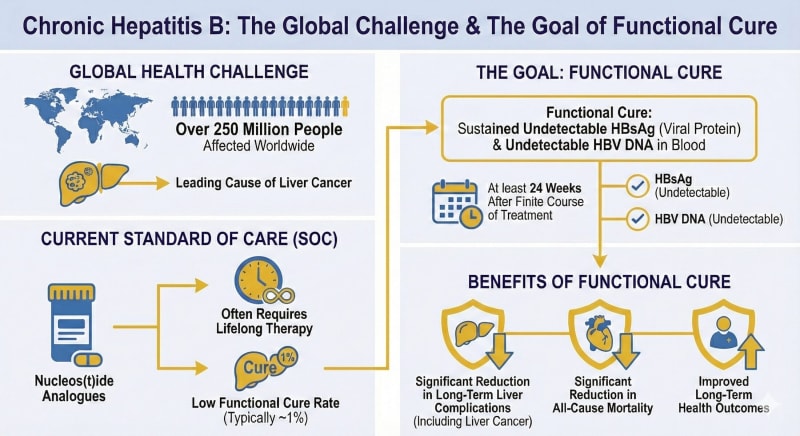
Breakthrough Treatment Brings Hope for Hepatitis B Cure in Landmark Clinical Trials
 🧘 Health & Wellness
Breakthrough Discovery: Common Blood Protein Offers Hope Against Deadly Fungal Infection
 🧘 Health & Wellness
Groundbreaking Study Brings Hope for Better Diabetes Care in African Communities
Joke of the Day
Why did the librarian get kicked out of class?
Explore Categories
Quote of the Day
"Do not go where the path may lead, go instead where there is no path and leave a trail."
— Ralph Waldo Emerson