Breakthrough Gene Discovery Brings Hope for 40% of Americans at Risk for Kidney Disease
Yale researchers have identified how a common gene mutation affects kidney health and developed a targeted approach that could prevent scarring—offering new hope to millions. This precision medicine breakthrough could transform treatment for chronic kidney disease, which affects nearly 1 in 7 American adults.
In an exciting development that could change lives for millions of Americans, researchers at Yale University have unlocked a crucial piece of the kidney disease puzzle—and they're already working on a solution.
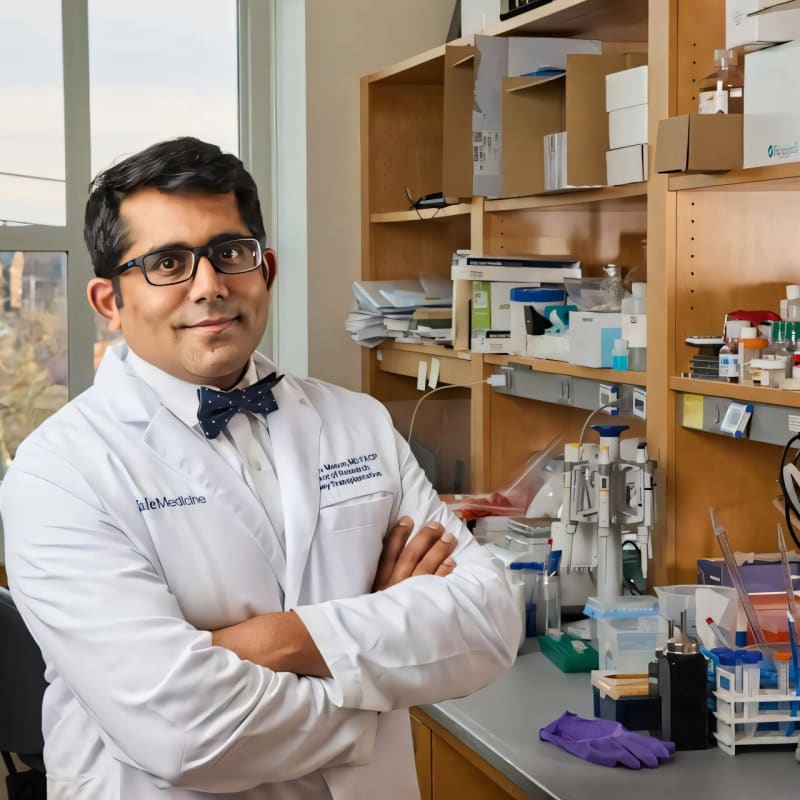
Dr. Madhav Menon and his collaborative team have discovered exactly how a common genetic variant called Shroom3 contributes to kidney scarring, and more importantly, they've found a way to target only its harmful effects while preserving its beneficial functions. The findings, published in the prestigious journal Nature Communications, represent a major step forward in personalized medicine.
What makes this discovery particularly significant is its widespread relevance. Approximately 40% of people in the United States carry this Shroom3 variant, which acts as a predisposition factor for kidney disease—especially when combined with conditions like diabetes or high blood pressure. For the nearly 1 in 7 American adults living with chronic kidney disease, this research offers something precious: hope for more targeted, effective treatments.
"This work gives me hope that one day we can say yes to these patients—that we can slow down kidney disease progression in those at risk," says Dr. Menon, whose decade-long pursuit of answers has been driven by patients who regularly reach out asking if there's anything new for scarring or a cure.
The research team made a clever discovery: rather than blocking the entire Shroom3 protein, which could disrupt normal kidney function, they found they could separate its helpful and harmful roles. By identifying the specific region of the protein responsible for fibrosis—the damaging scar tissue buildup—they've shown in animal models that targeting just that part can prevent scarring without risking adverse effects.
This represents a beautiful example of precision medicine in action. Instead of one-size-fits-all treatments, researchers are now going "mutation by mutation, finding the problem and fixing exactly that problem," as Dr. Menon explains.
The path forward is already taking shape. Dr. Menon's lab is actively refining the drug compound, testing its safety and effectiveness in additional models, and preparing for human organoid studies. Within approximately five years, the team hopes to be ready for human trials—a timeline that brings real solutions within reach.
For patients who carry the Shroom3 variant and have been wondering if help is on the way, this research provides a resounding answer. The work demonstrates that not only can we identify who's most at risk for kidney disease progression, but we can also develop treatments specifically designed for their genetic profile.
This breakthrough embodies a broader transformation in how we approach kidney disease treatment. Rather than waiting until serious damage occurs—something chronic kidney disease is notorious for doing quietly—precision nephrology could enable doctors to identify at-risk individuals early and intervene with targeted therapies before significant harm develops.
As Dr. Menon's research progresses toward clinical trials, it illuminates a future where kidney disease doesn't have to progress silently and inexorably. Instead, armed with genetic insights and precisely targeted treatments, doctors and patients can work together to protect kidney health before it's compromised.
For the millions of Americans carrying this common genetic variant, that future can't come soon enough—and thanks to this dedicated research, it's getting closer every day.
Based on reporting by Medical Xpress
This story was written by BrightWire based on verified news reports.
Spread the positivity! 🌟
Share this good news with someone who needs it
More Good News
 🧘 Health & Wellness
Love, Hope, and Community: A Family's Inspiring Journey with Huntington's Disease
 🧘 Health & Wellness
Breakthrough Blood Test Brings New Hope for Early Lung Cancer Detection
Exciting New AML Treatment Strategy Shows Promise in Breakthrough Research
Joke of the Day
Why did the librarian get kicked out of class?
Explore Categories
Quote of the Day
"Do not go where the path may lead, go instead where there is no path and leave a trail."
— Ralph Waldo Emerson