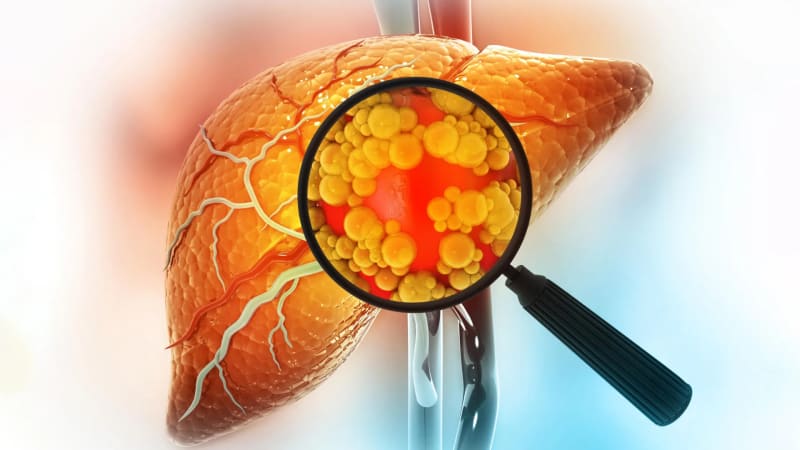
Breakthrough: Two Common Drugs May Finally Reverse Liver Scarring
Scientists have discovered that pairing two already-approved medications creates a powerful treatment that could reverse liver fibrosis, a condition affecting hundreds of millions worldwide. The exciting breakthrough combines silybin and carvedilol in a way that targets the root causes of liver scarring far more effectively than either drug alone, offering real hope for patients who currently have no approved treatment options.
In what could be transformative news for millions of people living with liver disease, researchers have unlocked an elegant solution to a medical challenge that has puzzled scientists for decades. By combining two medications already sitting on pharmacy shelves, they've created a treatment that shows remarkable promise in stopping and even reversing liver fibrosis.
The discovery, published by researchers from China Pharmaceutical University, represents a beacon of hope for the hundreds of millions of people worldwide affected by this often-overlooked condition. What makes this breakthrough particularly exciting is that both drugs involved—silybin and carvedilol—are already approved, widely available, and have established safety records spanning years of clinical use.
Liver fibrosis develops when the liver's natural healing response goes into overdrive after repeated injury from causes like viral hepatitis, alcohol use, or metabolic disorders. The liver begins producing excessive scar tissue, which over time can progress to more serious conditions. Until now, despite decades of dedicated research, no antifibrotic drugs have successfully made it to approval for clinical use.
The research team, led by Hong Wang and Haiping Hao, took a creative approach to solving this stubborn problem. They began by studying silybin, a compound that showed promise in protecting liver cells from damage. While silybin demonstrated impressive protective qualities—reducing inflammation and oxidative stress without toxicity—it struggled to directly tackle the scarring process on its own.
Rather than abandon this promising lead, the researchers got inventive. They screened nearly 400 FDA-approved medications to find the perfect partner drug that could amplify silybin's effects. The winner? Carvedilol, a medication commonly prescribed for heart conditions.
The results were remarkable. When combined in a carefully optimized 50:1 ratio, the drug pair didn't just add their individual benefits together—they worked synergistically, creating effects far greater than the sum of their parts. In laboratory studies and animal models, the combination sharply reduced collagen buildup, quieted overactive stellate cells responsible for scarring, and significantly improved liver health markers.
The duo achieves its impressive results by targeting the Wnt/β-catenin signaling pathway, a key driver of the scarring process. By shutting down this pathway more completely than either drug alone, the combination addresses the root biological mechanisms behind liver fibrosis.
What makes this discovery especially thrilling for patients and doctors alike is the realistic timeline for getting this treatment to those who need it. Because both medications are already approved with known safety profiles and are inexpensive to produce, the pathway to clinical trials and eventual widespread use could be remarkably swift compared to developing entirely new drugs from scratch.
This research also demonstrates the untapped potential hiding within our existing medicine cabinets. By thinking creatively about how to combine familiar medications in new ways, researchers may discover solutions to other challenging diseases that have resisted single-drug approaches.
For the millions of people living with liver fibrosis, this breakthrough offers something precious: genuine hope that an effective, accessible treatment may finally be within reach.
Based on reporting by Science Daily
This story was written by BrightWire based on verified news reports.
Spread the positivity! 🌟
Share this good news with someone who needs it
More Good News
 🧘 Health & Wellness
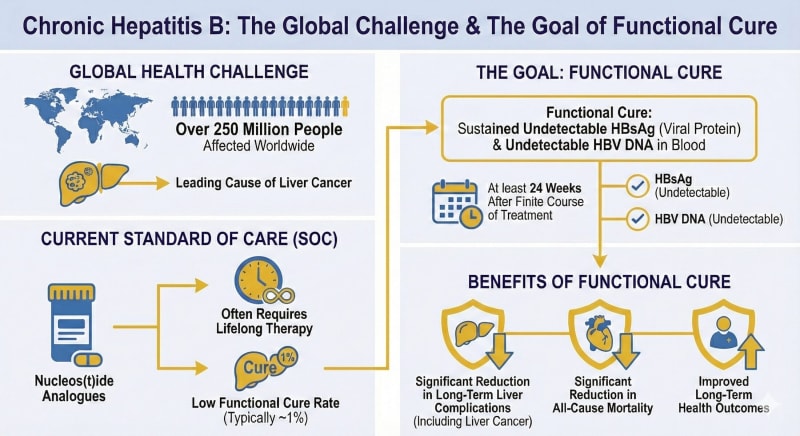
Breakthrough Treatment Brings Hope for Hepatitis B Cure in Landmark Clinical Trials
 🧘 Health & Wellness
Breakthrough Discovery: Common Blood Protein Offers Hope Against Deadly Fungal Infection
 🧘 Health & Wellness
Groundbreaking Study Brings Hope for Better Diabetes Care in African Communities
Joke of the Day
Why did the librarian get kicked out of class?
Explore Categories
Quote of the Day
"Do not go where the path may lead, go instead where there is no path and leave a trail."
— Ralph Waldo Emerson