Cambridge Teens Built Their Own Free Democratic School in 1971
When traditional schools failed them, working-class teens in Cambridge, Massachusetts created their own solution. The Group School ran for 11 years, graduated 600 students, and proved that putting kids in charge works.
Sean Tevlin was 12 years old, cleaning offices after school and feeling alienated everywhere he went. Then he discovered The Group School in Cambridge, where teachers saw potential instead of a learning disability, and everything changed.
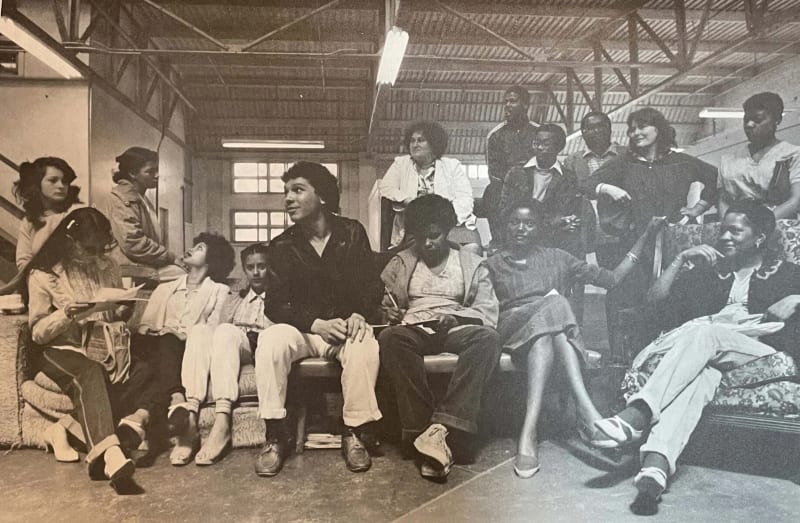
Between 1971 and 1982, more than 600 students graduated from this extraordinary experiment in education. The school operated out of a converted industrial garage on Franklin Street, charged no tuition, and let students make every major decision through democratic votes.
The idea started simply. Working-class teens gathered at a Teen Center in the late 1960s to talk about what was wrong with their schools. With help from Harvard education professors who facilitated the discussions, those conversations turned into action.
"Pretty soon the topic became what was wrong with our schools," remembers Alison Harris, one of the founding students. "Discussion started evolving around: Would we like a school? Could we start a school? And lo and behold, we actually did."
The school's white brick walls declared "CHANGING LEARNING, CHANGING LIVES" in giant letters. Inside, the curriculum flowed from student interests, not standardized tests. Teachers barely older than their students created lessons collaboratively, meeting kids where they were.
The location proved magical. Cambridge hosted both MIT and Harvard, and professors from those elite institutions volunteered their time. Bob Langer, who later helped create Moderna, tutored students for their SATs. Jon Kabat-Zinn, future founder of mindfulness-based stress reduction, taught biology and opened classes with meditation.
Both professors credit The Group School with shaping their own ideas about teaching and connection.
The Ripple Effect
For Tevlin, who had grown up in housing projects with parents struggling with addiction, TGS offered something precious: safety and possibility. Teachers engaged with him patiently, rekindled his love of reading, and helped him see a different future.
"It opened me up mentally and emotionally," Tevlin reflects from his Cambridge living room decades later. He's now life partners with Harris, the founding student who helped create the school that saved him.
Today, Harris, Tevlin and other alumni are preserving The Group School Archive & Resource Center. They're digitizing yearbooks, curricula, photos and oral histories to share lessons that still matter for teachers working with disengaged students.
The archive captures a powerful truth: students thrive when given real responsibility for their education. In an era of increasing standardization and testing pressure, The Group School's legacy offers educators a different path forward, one where young people lead and democracy isn't just taught but lived every single day.
Based on reporting by Reasons to be Cheerful
This story was written by BrightWire based on verified news reports.
Spread the positivity!
Share this good news with someone who needs it