Canada Cuts EV Tariffs, Unlocks China Trade Win for Farmers
Canada just struck a deal with China that slashes electric vehicle tariffs while opening massive new markets for Canadian farmers. The agreement signals warming relations between the two nations and could transform Canada's auto industry.
After years of tension, Canada and China just proved that strategic diplomacy can create wins on both sides of the Pacific.
Prime Minister Mark Carney announced Friday that Canada will reduce its 100% tariff on Chinese electric vehicles to just 6.1% for up to 49,000 cars annually, growing to 70,000 vehicles over five years. In exchange, China dropped its crushing 84% tariff on Canadian canola seeds down to roughly 15%.
The numbers tell an incredible story. Canadian farmers who were essentially locked out of the Chinese market now have access to one of the world's largest economies. Meanwhile, Canadian consumers will get more affordable electric vehicle options, accelerating the country's climate goals.
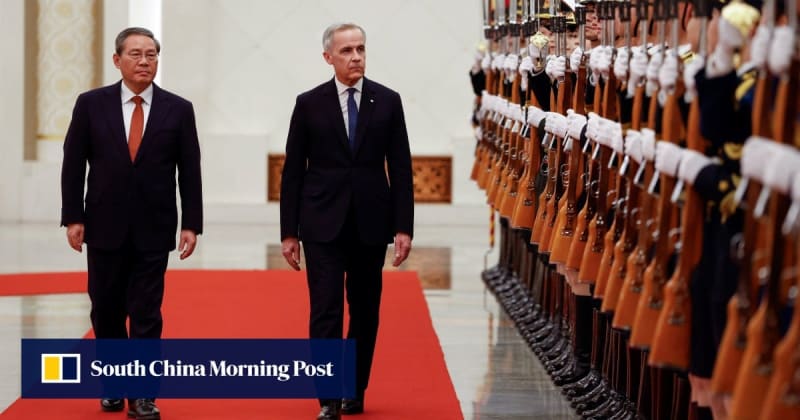
Carney made the announcement after two days of productive meetings with Chinese leaders, including President Xi Jinping at the Great Hall of the People. "Our relationship has progressed in recent months with China. It is more predictable and you see results coming from that," Carney told reporters.
The timing matters. While Canada's southern neighbor pursues an aggressive tariff strategy, Canada chose a different path, one focused on mutual benefit rather than economic confrontation.
The Ripple Effect
This agreement does more than just reduce tariffs. Carney emphasized that the deal "will drive considerable Chinese investment in Canada's auto sector, creating good careers in Canada and accelerating our progress towards a net zero future and the auto industry of the future."
Canadian auto workers could see new opportunities as Chinese EV manufacturers potentially establish production facilities to meet growing demand. Farmers get immediate relief and predictable market access for their crops. Environmentalists celebrate easier access to affordable electric vehicles that reduce emissions.
The canola breakthrough particularly matters for prairie farmers who have struggled under punishing Chinese tariffs. Canola represents one of Canada's most valuable agricultural exports, and restoring reasonable market access could inject billions into rural communities.
Both Xi and Carney pledged to continue building on this momentum, with talks already underway on expanding cooperation in other areas. The October meeting at a regional economic conference in South Korea laid the groundwork for this week's breakthrough.
This deal proves that even countries with complicated histories can find common ground when they focus on shared interests rather than grievances.
Based on reporting by Fast Company
This story was written by BrightWire based on verified news reports.
Spread the positivity! 🌟
Share this good news with someone who needs it