Canadian Teens Learn Coding by Remixing Indigenous Music
A Canadian program teaches teenagers computer science by having them remix songs from Indigenous artists, turning STEM education into a celebration of culture. The initiative pairs tech skills with powerful conversations about First Nations experiences.
Learning to code just got a whole lot more meaningful for Canadian teens who are remixing songs by Indigenous artists while mastering computer science skills.
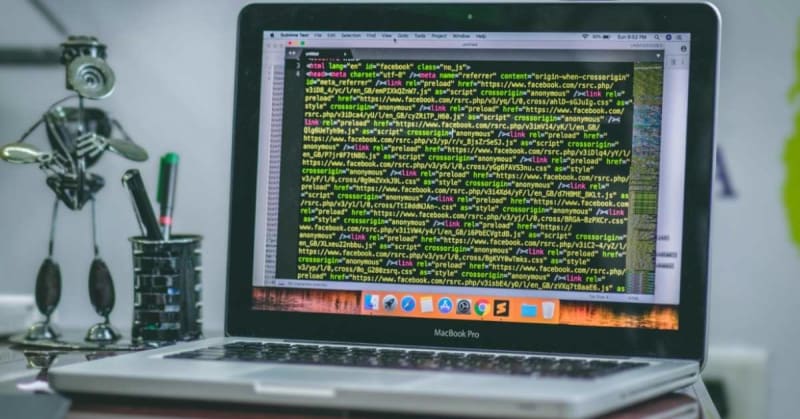
Your Voice is Power brings together coding education and Indigenous music through a creative competition that teaches students to separate, edit, and remix tracks using basic programming. In 2024, the program spotlighted works from Indigenous artists like Dakota Bear, Jayli Wolf, and Aysanabee.
"I think it's really a unique experience," says Marika Schalla, an Indigenous educator behind the program. Students use EarSketch, a free online coding editor available in English, French, Ojibwe, and Inuktitut, making the technology accessible to Indigenous communities.
But the program goes deeper than teaching technical skills. While students learn to manipulate sound through code, they also engage in conversations about the socioeconomic and environmental challenges facing First Nations, Inuit, and Métis people.
For Indigenous students, it's a chance to weave their lived experiences into creative projects. For their non-Indigenous classmates, it's an opportunity to listen and learn alongside them.
"You wouldn't think that coding music and social justice would go so beautifully together, but they create a meaningful message," Schalla told CTV News Calgary. She emphasizes that Indigenous youth from reserves can see themselves thriving in computer science and STEM careers.
The Ripple Effect
The program culminates in a music competition where two winners receive $5,000 scholarships: one Indigenous student and one non-Indigenous ally. This structure recognizes both cultural celebration and the importance of solidarity.
Artist Dakota Bear, whose music is featured in the program, explains the deeper connection. "Music is a universal language. It's a vibrational frequency, that feeling it evokes, that emotion," he says. "When you have music and use that with the message, it just becomes so much more impactful."
By combining technology education with cultural appreciation, Your Voice is Power shows students that STEM fields have room for creativity, identity, and social justice. The next generation of coders is learning that technical skills and cultural awareness aren't separate paths but powerful partners in creating change.
More Images

Based on reporting by Good Good Good
This story was written by BrightWire based on verified news reports.
Spread the positivity!
Share this good news with someone who needs it