Celestial Spectacle: Supermoon and Meteor Shower to Illuminate January Skies
This January, sky watchers can witness a rare celestial event featuring the Quadrantid meteor shower and a supermoon. The astronomical display promises a subtle yet spectacular show for those willing to look skyward.
Sky watchers are in for a rare astronomical treat this January as a supermoon and the year's first meteor shower prepare to dance across the night canvas, creating a mesmerizing celestial display that promises both wonder and subtle complexity.
The Quadrantid meteor shower will peak Friday night into Saturday morning, typically offering around 25 meteors per hour in ideal conditions. However, this year's display will be somewhat muted by the bright presence of a supermoon, with observers likely to spot fewer than 10 meteors per hour, according to the American Meteor Society.
Mike Shanahan, planetarium director at Liberty Science Center in New Jersey, offered insight into the cosmic competition, noting that the full moon represents the 'biggest enemy of enjoying a meteor shower.' The event showcases a fascinating astronomical phenomenon where speedy space rocks collide with Earth's atmosphere, burning up and creating spectacular fiery tails known as 'shooting stars.'
Supermoons occur when a full moon is closer to Earth in its orbit, appearing up to 14% larger and 30% brighter than the year's faintest lunar appearance. While NASA notes this difference can be subtle to the naked eye, the visual spectacle remains captivating for astronomy enthusiasts.
Jacque Benitez from the Morrison Planetarium at the California Academy of Sciences recommends sky watchers venture out in early evening, away from city lights, to catch glimpses of the Quadrantids. The best viewing opportunities include watching for fireballs before moonrise or during early dawn hours on Sunday, allowing eyes to adjust to darkness and avoiding smartphone screens that might disrupt night vision.
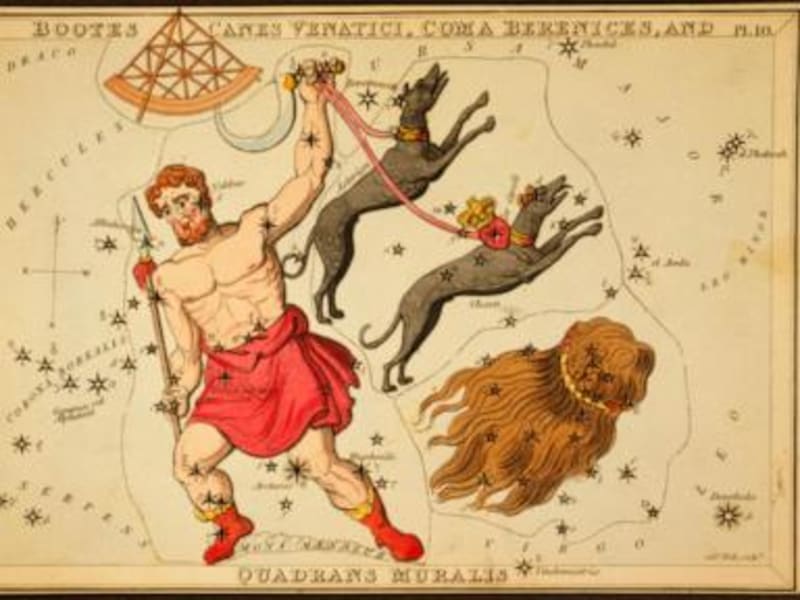
Interestingly, the Quadrantids originate from asteroid 2003 EH1 and are named after a constellation no longer recognized by modern astronomers. This particular meteor shower is primarily visible from the Northern Hemisphere and requires no special equipment to observe.
The current supermoon concludes a four-month lunar streak that began in October, with the next supermoon not expected until late 2026. The next major meteor shower, the Lyrids, is scheduled for April, providing another opportunity for celestial enthusiasts to marvel at nature's astronomical displays.
Based on reporting by ABC News
This story was written by BrightWire based on verified news reports.