
Chinese Scientists Create Mini-Womb Breakthrough That Could Help Millions Conceive
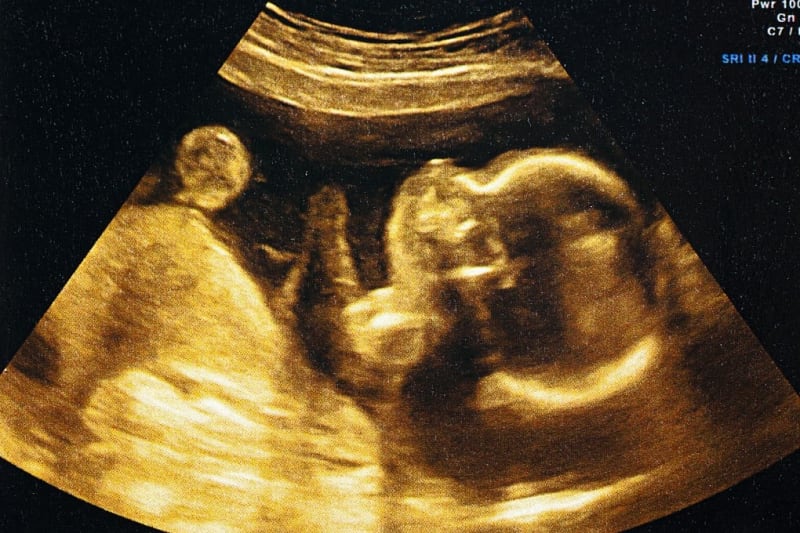
In a groundbreaking achievement, researchers from the Chinese Academy of Sciences have successfully built the world's first "mini-womb on a chip" that replicates how human embryos implant during early pregnancy. This remarkable innovation could unlock personalized fertility treatments for countless women struggling to start families.
Scientists from China, working alongside colleagues from universities and medical centers in the United States, have achieved something truly remarkable: the world's first complete recreation of how human embryos implant in the womb during those crucial early days of pregnancy.
The research team, led by experts from the Chinese Academy of Sciences Institute of Zoology, developed an innovative 3D model on a tiny microfluidic chip that mimics a miniature womb. This incredible breakthrough, published in the prestigious peer-reviewed journal Cell in December 2023, represents a giant leap forward in understanding one of human biology's most mysterious processes.
What makes this achievement so exciting is its potential to transform fertility treatment. For the millions of women worldwide who face challenges getting pregnant, this technology could pave the way for personalized medical solutions tailored to their individual needs. The mini-womb system successfully recreates the key events that happen when an embryo implants and begins developing, giving researchers an unprecedented window into this delicate process.
The innovation centers around blastocysts, which are five to six-day-old embryos containing between 100 and 200 rapidly dividing cells. These tiny bundles of life include an outer layer that implants into the uterus to form the placenta and an inner core that eventually develops into a baby. The research team's model uses either actual human blastocysts or blastoids, cultured together with bioengineered human endometrial tissue they call an "endometrioid."
The team explained that while understanding human implantation has always been crucial for advancing reproductive medicine, researchers have faced significant challenges. Ethical constraints and limited access to human embryos have made it difficult to study this process in detail. Their chip-based solution elegantly sidesteps these obstacles while still providing valuable, accurate insights.
The Ripple Effect: This breakthrough extends far beyond the laboratory walls. As fertility challenges affect an estimated one in six couples globally, according to the World Health Organization, the potential impact of this research touches countless lives. The technology could help doctors understand why some embryos fail to implant properly, leading to targeted treatments that address specific issues rather than relying on trial and error approaches.
The international collaboration behind this achievement also highlights the power of scientific cooperation. By bringing together experts from research institutions across China and the United States, the team demonstrates how shared knowledge and combined expertise can tackle some of humanity's most complex biological puzzles.
Looking ahead, this mini-womb technology represents just the beginning. As researchers continue refining and expanding upon this model, we may see a future where fertility treatments become more effective, more accessible, and better suited to each individual's unique needs. For couples dreaming of starting or growing their families, this scientific achievement offers renewed hope and the promise of more possibilities on the horizon.
More Images

Based on reporting by South China Morning Post
This story was written by BrightWire based on verified news reports.
Spread the positivity! 🌟
Share this good news with someone who needs it
More Good News


DAILY MORALE
What did the thermometer say to the graduated cylinder?
EXPLORE INTEL
DAILY INSPIRATION
Hope is the thing with feathers that perches in the soul and sings the tune without the words and never stops at all.
Emily Dickinson