
Chinese Scientists Map 10M Immune Cells, Unveiling Surprising Human Diversity
In a groundbreaking achievement, Chinese researchers have created a comprehensive cellular atlas analyzing over 10 million immune cells from 428 individuals, revealing fascinating variations in how our immune systems work across different populations. This remarkable resource promises to make personalized medicine more effective for billions of people worldwide.
Scientists in China have accomplished something truly extraordinary: they've created the most comprehensive map of immune cells ever compiled for an Asian population, and it's opening doors to better healthcare for people around the globe.
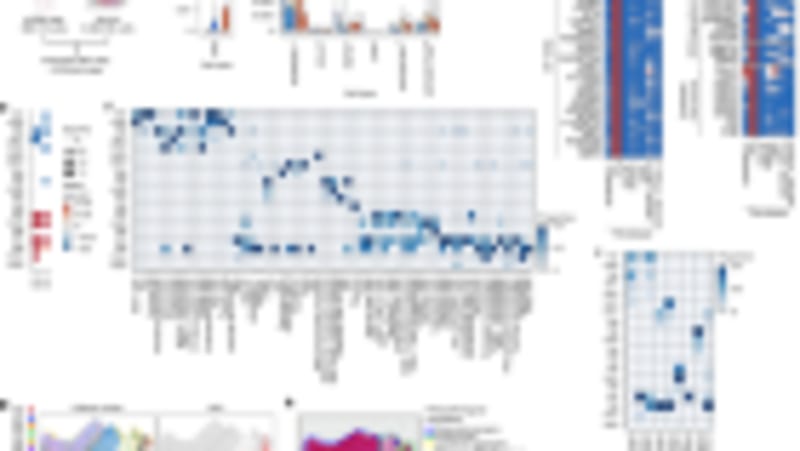
The Chinese Immune Multi-Omics Atlas (CIMA), published in Science, represents years of meticulous work by researchers led by Jianhua Yin at the Shanxi Medical University–BGI Collaborative Center for Future Medicine in Taiyuan. The team analyzed more than 10 million immune cells from 428 healthy Chinese adults, creating an incredibly detailed picture of how these crucial cells function to protect our bodies from disease.
What makes this achievement so exciting is what it reveals about human diversity. While scientists have created similar cellular atlases before, most relied primarily on data from people of European descent. This new atlas fills a critical gap, showing us that while our core immune systems work similarly across populations, there are fascinating and important differences in how they're regulated.
The researchers discovered that when comparing genetic markers between populations, over 93% of targets in the Chinese data overlapped with Japanese cohorts, but only about 44% matched with European groups. One particularly intriguing finding involves a gene variant called rs11886530, which is common in East Asian populations but rare in Europeans. This variant affects circadian-clock genes in T cells—immune cells that help fight infection—in ways never observed before.
"I think the atlas is a really clinically important resource," says immunologist Kay Chung from the University of North Carolina School of Medicine. "This could be useful for personalized medicine and also to check on drug interactions that might be specific to a certain population."
The atlas also provides valuable insights into how our immune systems change with age and differ between sexes. By studying participants ranging from 20 to 77 years old, including 189 men and 239 women, researchers discovered that aging is associated with more inflammation-driving white blood cells and changes in dendritic cells, which serve as crucial messengers in our immune system.
Why It Matters: This research represents a significant step toward truly inclusive medicine. For too long, medical treatments have been developed primarily based on data from one population group, potentially making them less effective for billions of people worldwide. By creating comprehensive resources like CIMA that reflect human diversity, scientists are paving the way for treatments and medicines that work better for everyone, regardless of their ancestry. It's a beautiful example of how celebrating our differences can lead to better outcomes for all of humanity.
The atlas complements other important projects like Japan's ImmuNexUT, creating an increasingly complete picture of human immune function across Asian populations. As the researchers note, this resource allows for "the discovery of biological mechanisms and genetic associations that would likely be missed in European-centric studies."
This collaborative, inclusive approach to science promises a future where personalized medicine truly lives up to its name, offering treatments tailored not just to individuals, but to the beautiful diversity of all humanity.
More Images



Based on reporting by Nature News
This story was written by BrightWire based on verified news reports.
Spread the positivity! 🌟
Share this good news with someone who needs it
More Good News
 Health & Wellness
UC San Diego Breakthrough: Personalized Cancer Treatment Improves Patient Survival
 Health & Wellness
St. Louis Scientists Map 1.4M Cells to Revolutionize Cancer Survival Hope
 Health & Wellness
Basel Scientists Develop Breakthrough Test to Save Lives from Bacterial Infections
DAILY MORALE
Why did the dog apply for a job at the bank?
EXPLORE INTEL
MISSION DIRECTIVE
The greatest thing you'll ever learn is just to love and be loved in return.
Moulin Rouge (from the film, popularized by Ewan McGregor)