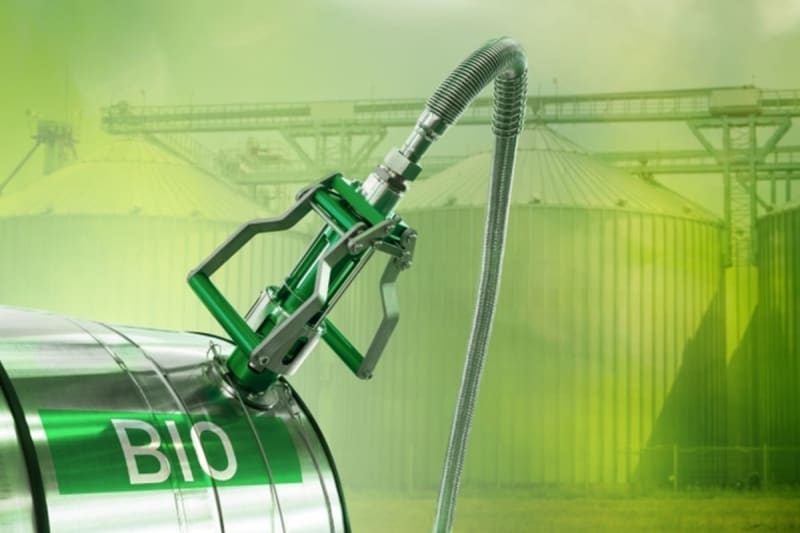
Clean Fuel Investment Set to Jump 400% by 2030
Global investment in clean fuels is projected to surge from $25 billion to over $100 billion annually by 2030, creating millions of jobs while helping countries reduce emissions. More than 25 nations have already committed to quadrupling clean fuel production by 2035.
The world is about to invest four times more money in clean fuels, and the payoff extends far beyond cleaner air.
A new World Economic Forum report reveals that annual global investment in clean fuels could skyrocket from $25 billion today to more than $100 billion by 2030. This surge comes as countries recognize these fuels as a powerful tool for energy security, job creation, and emissions reduction.
Clean fuels include biofuels, hydrogen derivatives, and lower carbon alternatives to traditional gasoline and natural gas. They currently supply 56 percent of global energy needs and can work with existing infrastructure like pipelines and fuel stations.
The job creation potential stands out as particularly promising. Clean fuel production generates two to three times more employment opportunities than conventional fuels, with benefits reaching both industrial centers and rural communities.
More than 25 countries have already signed the "Belém 4x" pledge at COP30, committing to quadruple their clean fuel production and usage by 2035. This growing momentum signals a shift from questioning whether to invest to figuring out how and when.
Roberto Bocca, Head of the Centre for Energy and Materials at the World Economic Forum, emphasizes the dual benefits. "The clean fuels industry can build on existing infrastructure to deliver durable environmental benefits alongside economic value," he explained.
The path forward requires coordinated action across government policy, financing structures, and industry collaboration. Performance oriented policies, risk sharing between public and private sectors, and early demand commitments will help unlock investment returns and move projects from concept to reality.
The Ripple Effect
The impact reaches beyond environmental wins. Countries investing in clean fuels strengthen their energy independence while diversifying their economies. Rural areas gain new employment opportunities in biofuel production. Transportation and industrial sectors can reduce emissions without completely rebuilding their infrastructure.
The World Economic Forum created a Digital Playbook alongside the report, offering practical case studies from Latin America, Europe, and Southeast Asia. These real world examples show how different regions have overcome challenges related to policy, financing, and technology.
Currently, clean fuels represent just over 1 percent of global clean energy investment, meaning this sector has enormous room to grow. As more projects prove commercially viable and attract investors, the momentum will build on itself.
The combination of government commitments, proven job creation, and compatibility with existing systems creates a rare opportunity where economic growth and environmental progress move forward together.
More Images


Based on reporting by Google: clean energy investment
This story was written by BrightWire based on verified news reports.
Spread the positivity! 🌟
Share this good news with someone who needs it


