Coffee Compounds Outperform Diabetes Drug in Lab Tests
Scientists discovered three new compounds in roasted coffee that control blood sugar better than a common diabetes medication. The breakthrough could lead to coffee-based functional foods that help millions manage type 2 diabetes naturally.
Your morning coffee might be doing more for your health than anyone realized.
Researchers in China just identified three brand new compounds in roasted coffee beans that beat a standard diabetes drug at controlling blood sugar. The molecules, nicknamed caffaldehydes A, B, and C, work by blocking an enzyme that helps break down carbohydrates during digestion.
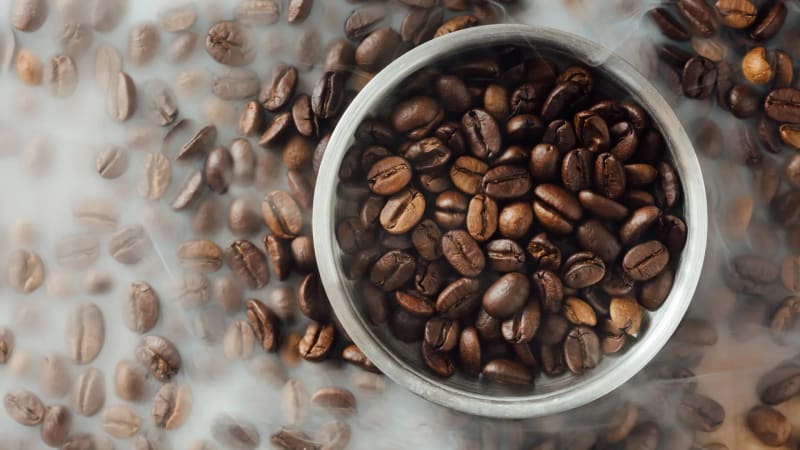
The team at the Kunming Institute of Botany spent months analyzing roasted Arabica coffee beans using advanced chemical screening techniques. They were hunting for compounds that could slow down how quickly sugar enters the bloodstream after eating.
What they found surprised them. All three newly discovered compounds performed better than acarbose, a medication commonly prescribed to type 2 diabetes patients. The strongest compound was nearly three times more potent than the drug.
The scientists didn't stop there. Using molecular network analysis, they uncovered three additional related compounds hiding in trace amounts. These molecules had never been documented before in any scientific database.
The Ripple Effect
More than 500 million people worldwide live with type 2 diabetes, and that number keeps growing. Finding natural compounds in everyday foods like coffee could transform how we think about managing the condition.
Functional foods offer health benefits beyond basic nutrition, and coffee already contains antioxidants and other helpful molecules. These new findings suggest coffee could play an even bigger role in supporting metabolic health.
The research team developed a faster, more environmentally friendly method to identify these compounds. Their approach uses less solvent and speeds up discovery time, which means it could be applied to other complex foods like tea, cocoa, or spices.
The next step involves testing whether these compounds work as well in living organisms as they do in the lab. Researchers will also need to confirm they're safe for regular consumption and determine how much coffee you'd need to drink to see benefits.
For now, the discovery opens exciting possibilities for developing coffee-based supplements or fortified foods designed to help control blood sugar. It also reminds us that plants we've enjoyed for centuries might still hold health secrets we're only beginning to understand.
Science keeps finding new reasons to appreciate that daily cup of coffee.
Based on reporting by Science Daily
This story was written by BrightWire based on verified news reports.
Spread the positivity! 🌟
Share this good news with someone who needs it