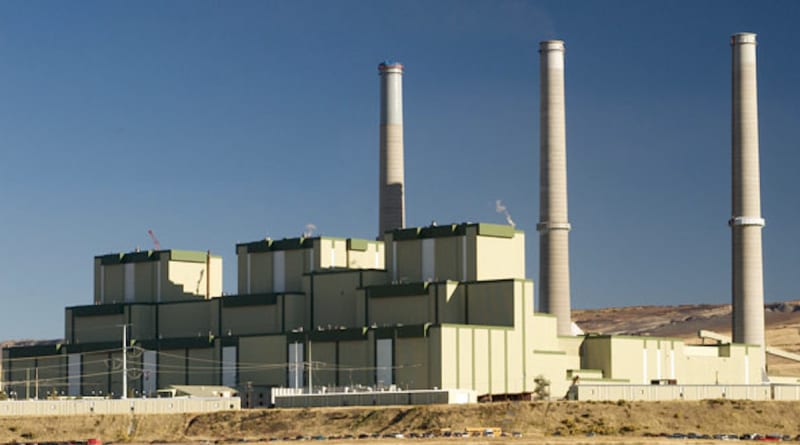
Colorado Utilities Fight to Close Coal Plant on Schedule
Two major utilities are taking the federal government to court over an order forcing them to keep an old coal plant running. The cooperatives say they've spent years planning cleaner, cheaper energy for over a million customers.
📺 Watch the full story above
When the U.S. Department of Energy ordered two Colorado utilities to keep a coal plant running past its retirement date, the companies did something unexpected. They said no thanks and asked for their day in court.
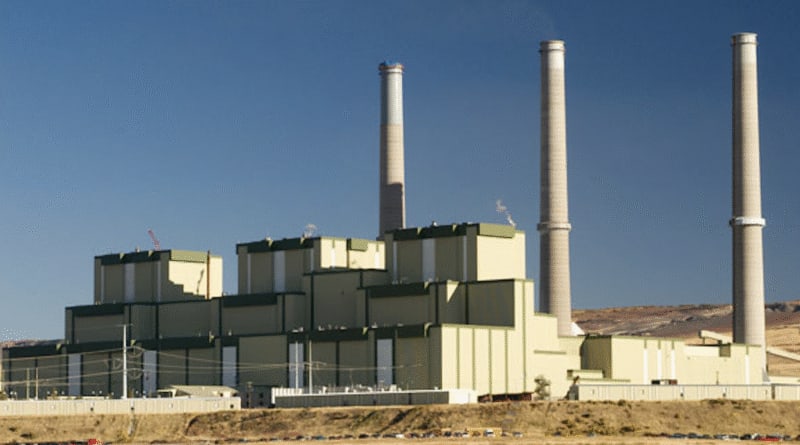
Tri-State Generation and Platte River Power Authority had planned for years to retire the Craig Unit 1 coal power plant on December 31, 2025. Just one day before the scheduled shutdown, they received a federal emergency order demanding they operate it for another 90 days.
Now both utilities are fighting back, and their reason is simple. They're member-owned cooperatives serving over a million rural and urban customers across Colorado and neighboring states, and keeping the old plant running will cost those customers money unnecessarily.
The utilities aren't alone in questioning what emergency actually exists. Colorado Attorney General Phil Weiser filed his own petition calling the order an unlawful abuse of emergency authority. He pointed out that the Energy Department typically only uses these powers for actual crises like unexpected outages, natural disasters, or extreme weather.
Meanwhile, Platte River has been working toward 100% noncarbon power generation since 2018 under a board-approved plan. Tri-State has been planning similar transitions for its members scattered across 200,000 square miles of rural counties.
The numbers tell the story of why these utilities are ready to move on. Coal provided just 16% of U.S. power generation in 2023, down from about half at the century's start. Wind and solar have become cost-competitive, with renewables reaching 21% of generation and expected to hit 28% next year.
The Ripple Effect
What makes this story remarkable isn't just that utilities are challenging federal orders. It's that they're doing it to protect their customers and honor years of careful planning for a cleaner energy future.
These aren't massive corporations making decisions in distant boardrooms. They're cooperatives owned by the very farmers, families, and small towns they serve. When they invest in wind and solar instead of propping up aging coal plants, they're choosing what their communities actually need.
The Sierra Club's Jess Eidbo noted the significance: utilities, environmentalists, and officials are all aligned in concern that the order will drive up electricity prices without providing public benefit. That kind of coalition doesn't happen often.
Other major utilities including PacifiCorp and Xcel Energy are co-owners of the Craig plant and watching closely. The outcome could influence how the energy transition proceeds across the country, with local voices leading the way toward solutions that work for their communities.
The cooperatives aren't just resisting, they're offering to work with the Energy Department on more efficient solutions. That's the kind of problem-solving that actually keeps the lights on while moving forward.
More Images


Based on reporting by CleanTechnica
This story was written by BrightWire based on verified news reports.
Spread the positivity!
Share this good news with someone who needs it