
Communities Show Remarkable Resilience Through Smart Climate Preparation
When Hurricane Melissa hit Jamaica, well-prepared communities demonstrated how effective planning saves lives and speeds recovery. Their success stories offer hope and practical lessons for building climate resilience worldwide through early-warning systems, infrastructure upgrades, and community preparation.
In a powerful demonstration of how preparation pays off, communities across Jamaica showed vastly different recovery outcomes when Hurricane Melissa struck in October, offering valuable lessons in climate resilience for regions worldwide.
The category-5 storm provided a revealing natural experiment in disaster preparedness. Communities that had invested in maintained coastal protections, upgraded drainage systems, and reliable early-warning networks experienced remarkable recovery speeds, with power and water services restored within just days. These success stories stand as beacons of hope, demonstrating that smart planning and infrastructure investment can dramatically reduce the impact of even the most severe weather events.
The contrast with less-prepared areas, where recovery took weeks, underscores an important but encouraging message: resilience to climate change isn't just about luck or resources alone—it's about strategic preparation that any community can work toward.
Scientists and policy experts are now calling for a shift in how we approach climate adaptation. Rather than focusing solely on losses and damages after disasters strike, they advocate for tracking and learning from what endures. This positive, solutions-focused approach examines which protective measures, infrastructure improvements, and community practices prove most effective during extreme weather events.
The Jamaica experience offers concrete evidence that certain interventions make a measurable difference. Coastal protections that are regularly maintained can significantly reduce storm surge impacts. Modern drainage systems prevent catastrophic flooding even during unprecedented rainfall. Perhaps most importantly, reliable early-warning systems save lives by giving communities precious time to prepare and evacuate when necessary.
These findings come at a crucial time as communities worldwide face increasing climate challenges. The good news is that we're building a growing body of knowledge about what works. Each storm, each recovery effort, and each community's experience adds to our collective understanding of effective climate adaptation strategies.
The research emphasizes that building resilience isn't an insurmountable challenge requiring perfect solutions. Instead, it's an achievable goal built on practical steps: maintaining existing protections, investing in proven infrastructure upgrades, and ensuring communities have access to timely information during emergencies.
For policymakers and community leaders, the message is clear and empowering: investments in preparedness deliver real returns in lives saved, faster recovery times, and reduced economic disruption. The communities that fared best during Hurricane Melissa didn't have magical solutions—they had commitment to steady, strategic preparation.
Looking forward, experts suggest that documenting and sharing these success stories can inspire and guide other vulnerable communities. By focusing on what endures rather than dwelling only on what's lost, we create a roadmap for effective climate adaptation that's both hopeful and practical.
The path to climate resilience is challenging, but Jamaica's experience during Hurricane Melissa proves it's absolutely achievable. With smart planning, strategic investments, and community commitment, we can build a future where extreme weather events, while still serious, no longer result in catastrophic, prolonged disruptions to daily life.
Based on reporting by Nature News
This story was written by BrightWire based on verified news reports.
Spread the positivity! 🌟
Share this good news with someone who needs it
More Good News
 💡 Solutions
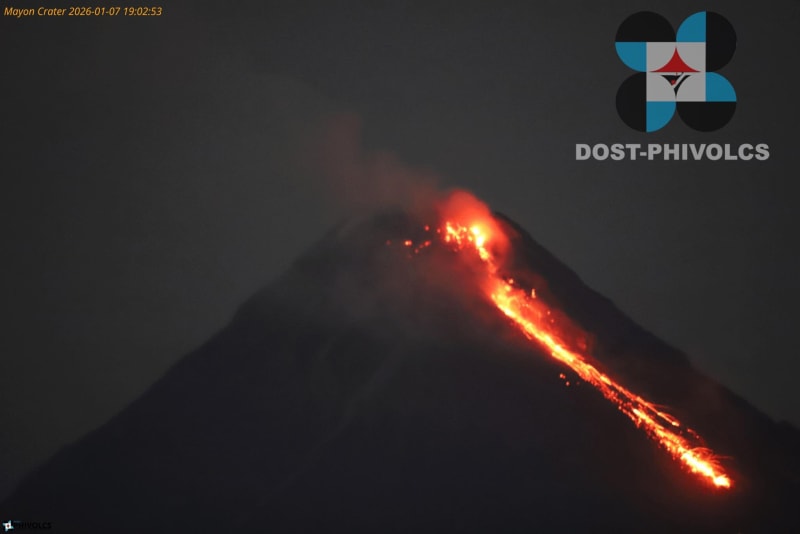
Philippines Shows Exemplary Disaster Response as 3,000 Safely Evacuated from Mayon Volcano
 💡 Solutions
Heartwarming Community Initiative Brings Cool Comfort to Neighbors in Need
 💡 Solutions
Brilliant Water-Saving Innovation Doubles Plant Growth During Droughts
Joke of the Day
Why did the librarian get kicked out of class?
Explore Categories
Quote of the Day
"Do not go where the path may lead, go instead where there is no path and leave a trail."
— Ralph Waldo Emerson