Dads Get Postpartum Depression Too—Now We Can Help
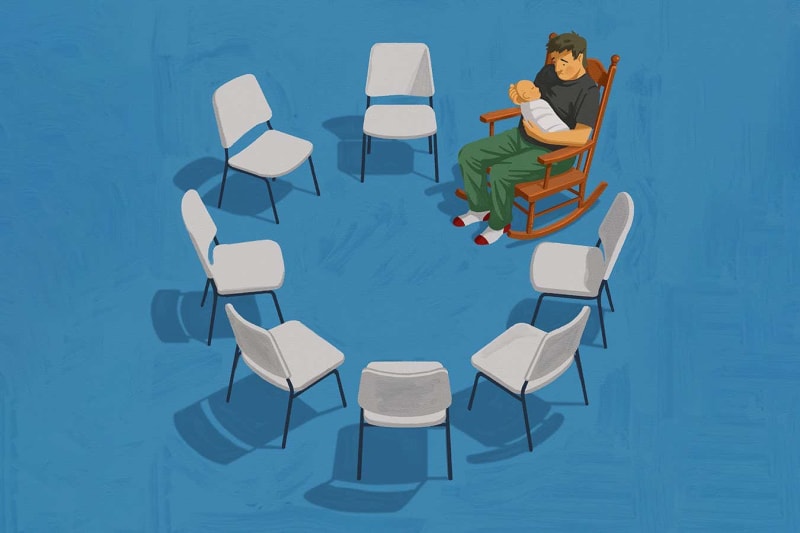
About 8% of new fathers experience postpartum depression, nearly matching the rate in mothers. A growing movement to recognize and treat paternal PPD is finally giving struggling dads the support they desperately need.
Mat Lewis-Carter thought he was broken when his newborn daughter arrived in July 2021 and he felt nothing but sadness.
The London personal trainer spiraled into dark thoughts over the next year, taking long runs to escape his home. He hid his pain from his partner Chess, not wanting to add to her burden. For the first time in his life, he fantasized about death.
Then, buried on page four of a Google search, Lewis-Carter found an article about postpartum depression in fathers. The discovery changed everything. "For me, it was this sense of, 'ahh OK, I see,'" he says.
Lewis-Carter isn't alone. Nearly half of all people have never heard that new fathers can experience postpartum depression. That silence has left millions of struggling dads without answers or help.
The numbers tell a striking story. About 8.4% of new fathers experience PPD, compared with 13% of mothers. When a mother has postpartum depression, her partner's risk shoots up even higher.
Fathers face many of the same triggers as mothers. They navigate huge identity shifts, crushing stress, and severe sleep deprivation. Some witness traumatic births. The main difference is that dads don't go through the massive biological changes of pregnancy and childbirth.
For years, these struggling fathers received almost no attention from healthcare providers or researchers. Medical professionals rarely screened new dads for depression. Public awareness campaigns focused exclusively on mothers.
That's finally changing. Researchers now recognize paternal PPD as a real and common condition. Healthcare systems are developing screening tools specifically for fathers. Support groups and resources tailored to new dads are spreading across communities.
Lewis-Carter eventually got help and recovered. Now he uses his platform as a men's health influencer to share his story. He wants other fathers to know they're not alone and that feeling disconnected from their newborn doesn't make them bad parents.
Why This Inspires
This shift in understanding represents hope for millions of families. When fathers get the mental health support they need, everyone benefits. Children grow up with more present, engaged dads. Partners share the emotional load more equally. Families grow stronger together.
The conversation around fatherhood is expanding beyond outdated stereotypes. Modern dads are speaking up about their struggles, breaking through decades of silence. Healthcare providers are listening and responding with better screening and treatment options.
Families everywhere are about to get the support they've always deserved.
More Images
Based on reporting by New Scientist
This story was written by BrightWire based on verified news reports.
Spread the positivity!
Share this good news with someone who needs it