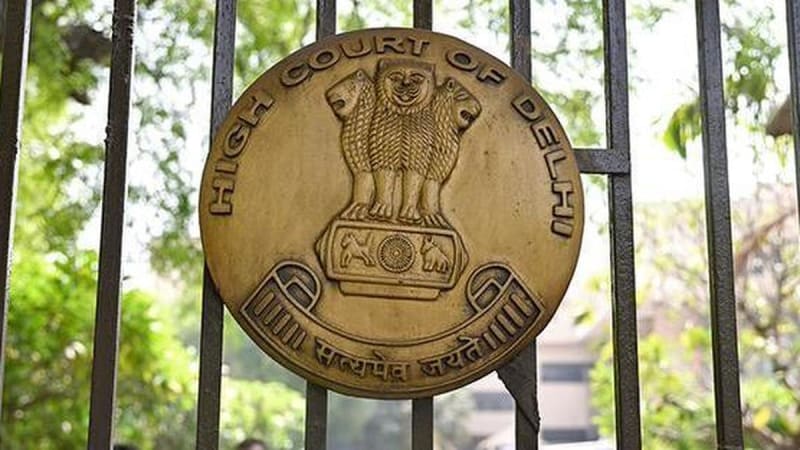
Delhi Court Strikes Down Medical Student Transfer Ban
India's Delhi High Court just ruled that medical students can now transfer between colleges, overturning a blanket ban that prevented movement even in cases of disability or hardship. The landmark decision came after a visually impaired student's health worsened in his current location.
A visually impaired medical student in India just won a court battle that could change the lives of thousands of future doctors.
The Delhi High Court struck down a national regulation that completely banned medical students from transferring between colleges. The February 4th ruling declared the policy unconstitutional, calling it "manifestly unreasonable and arbitrary."
The case centered on a student with 40% visual impairment studying at Government Medical College in Barmer, a city known for its harsh desert climate. His medical condition was getting worse because of the extreme weather, yet rules blocked him from moving to a college in Delhi where he could access better support and a more suitable environment.
Chief Justice D.K. Upadhyaya and Justice Tejas Karia heard his plea and ruled that the National Medical Commission's complete prohibition on transfers violated constitutional rights. The court ordered the commission to create a proper policy allowing student migration within three weeks.
The commission had argued that allowing transfers could lead to abuse of the system. The court firmly rejected this reasoning, stating that the possibility of misuse cannot justify denying legitimate rights to citizens who genuinely need them.
Why This Inspires
This ruling recognizes something powerful: rigid rules that ignore individual circumstances can cause real harm. The court specifically noted that the Rights of Persons with Disabilities Act requires public institutions to provide "reasonable accommodation" for students with disabilities.
The decision opens doors for medical students facing genuine hardships, from health issues to family emergencies to disability needs. Instead of forcing students to choose between their wellbeing and their education, India's medical education system must now find a balanced approach.
The National Medical Commission now has three weeks to draft guidelines that maintain educational standards while respecting students' legitimate needs. For the petitioner and countless future students, this ruling means medical education can finally work with their lives instead of against them.
Sometimes justice means recognizing that one size doesn't fit all.
Based on reporting by The Hindu
This story was written by BrightWire based on verified news reports.
Spread the positivity!
Share this good news with someone who needs it