Delhi Pays for Streetlights Only After They Work
Delhi is flipping the script on government contracts by paying for new streetlights monthly, but only after vendors prove they're keeping them bright and working. It's a simple idea that could save taxpayers millions while making cities safer and more accountable.
Delhi just figured out how to make government contractors actually do their job: don't pay them until they prove it's done.
The city is rolling out a revolutionary payment system for 100,000 new smart LED streetlights across its roads. Instead of handing over money upfront and chasing contractors for repairs later, vendors will receive monthly payments only after they keep every light shining at full brightness.
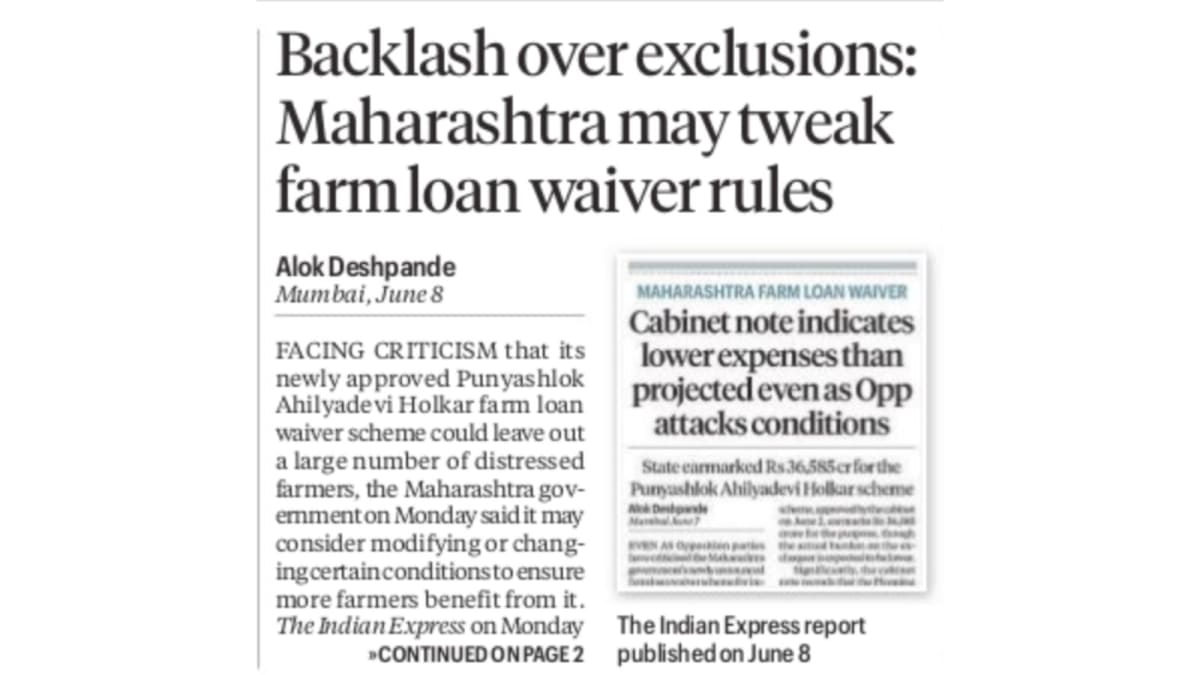
PWD Minister Parvesh Sahib Singh calls it the EMI model, and the logic is beautifully simple. "The government should not have to run after contractors; it is they who have to fulfill their obligations," he told The Indian Express.
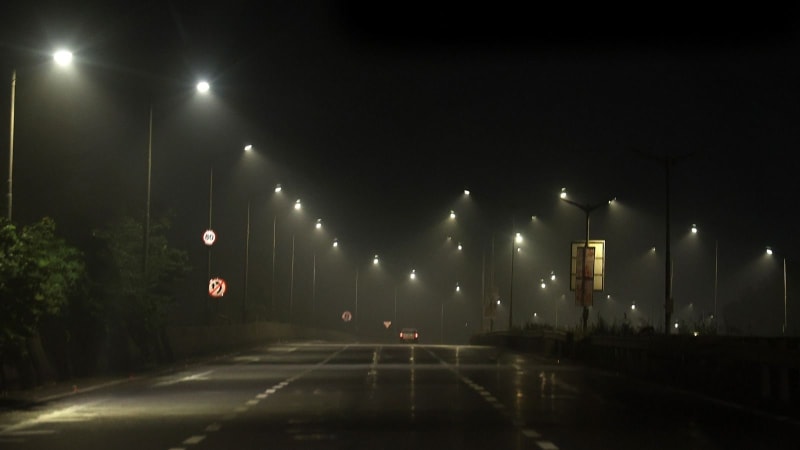
Here's how it works. Private companies will install energy-efficient smart LEDs across 1,400 kilometers of Delhi's main roads, flyovers, and underpasses. Each light must maintain 40 lux of brightness, nearly four times what most Delhi streets currently have. A central control room will monitor every single light in real time through smart technology.
If a light goes out, the vendor has 24 hours to fix it. No excuses, no delays. Companies have already agreed to this condition because they know consistent performance means consistent payment.
The financial case is equally compelling. The $48 million project will save Delhi about $3.8 million annually in electricity and maintenance costs. Those old yellow sodium vapor lights that currently illuminate half the city? They're energy hogs compared to modern LEDs that shine brighter while using less power.
Why This Inspires
This isn't just about streetlights. It's about reimagining how governments spend taxpayer money.
For decades, the standard model has been backwards: pay first, hope for results later. Citizens wait endlessly while contractors drag their feet on maintenance. When something breaks, nobody's sure who's responsible.
Delhi's approach flips accountability where it belongs. Vendors become long-term partners with skin in the game, not hit-and-run installers. The city gets reliable infrastructure. Taxpayers see their money tied directly to results.
Perhaps most revolutionary, citizens will access the same dashboard officials use. Anyone can check if lights in their neighborhood are working and file complaints that must be resolved quickly. Transparency stops being a buzzword and becomes a dashboard anyone can open.
Singh says this will be a first for India. But the model could work anywhere governments struggle with contractor accountability, from potholes to park maintenance.
The proposal heads to Delhi's Expenditure Finance Committee next, with tenders expected within two weeks of approval. If successful, the framework could transform how cities across India handle public infrastructure.
Brighter streets make cities safer. But bright ideas about accountability? Those illuminate something even more important: a path toward government that actually works for the people paying for it.
Based on reporting by Indian Express
This story was written by BrightWire based on verified news reports.
Spread the positivity!
Share this good news with someone who needs it