Diabetes Drugs Cut Dementia Risk 23% in 450K Patients
Two common diabetes medications show powerful brain-protecting effects that could help prevent dementia in millions of people. With dementia cases expected to soar in coming years, this breakthrough offers real hope for those facing dual health challenges.
Scientists just discovered that medications millions already take for diabetes might be protecting their brains in ways no one expected.
A McGill University study tracking more than 450,000 patients found that two classes of diabetes drugs significantly reduce dementia risk. The results are so promising they could change how doctors treat the 60% higher dementia risk that comes with type 2 diabetes.
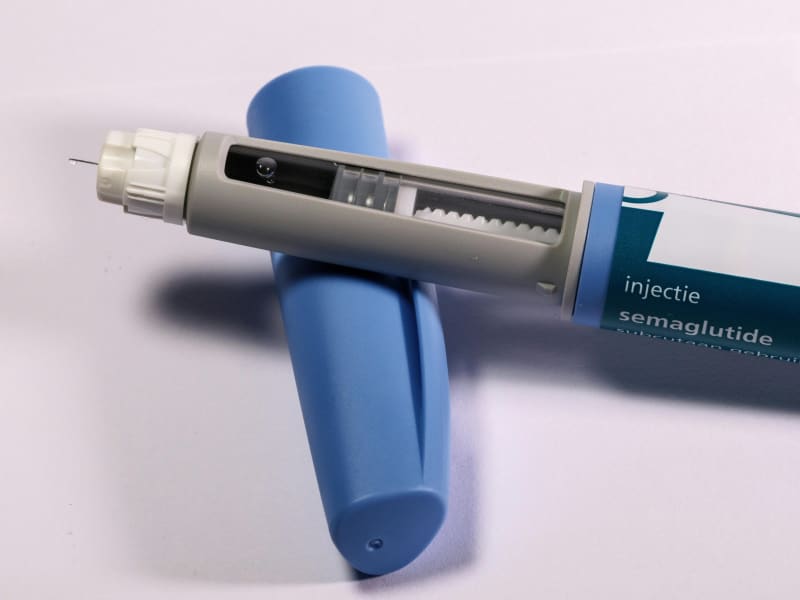
The research focused on incretin-based therapies, including GLP-1 receptor agonists like Ozempic and DPP-4 inhibitors. When compared to another common diabetes medication, DPP-4 inhibitors showed a 23% lower risk of developing dementia. GLP-1 drugs showed similar protective patterns, though researchers need more time to confirm the strength of that connection.
Dr. Christel Renoux, who led the study at McGill's Department of Neurology and Neurosurgery, calls the findings "very promising." Her team controlled for factors earlier studies missed, including diabetes severity, making these results more reliable than previous research.
The protection grew stronger the longer people used the medications and the higher their doses. Researchers followed patients age 50 and older for about three years, watching how their cognitive health developed compared to those taking medications without known brain benefits.
The Ripple Effect
Canada expects one million people to be living with dementia by 2030. Until now, doctors had few strategies for reducing that risk, especially among diabetes patients who face significantly higher odds of cognitive decline.
These medications were designed purely to control blood sugar. The brain-protecting effects appear to be an unexpected bonus that scientists are only beginning to understand. The discovery opens doors for new research into how these drugs work beyond their original purpose.
Dr. Renoux notes that while GLP-1 drugs have captured enormous public attention, DPP-4 inhibitors deserve equal consideration. Both drug classes may offer benefits far beyond what anyone imagined when they were developed.
The study used detailed clinical data from the UK's Clinical Practice Research Datalink, giving researchers access to comprehensive patient health information. This richer data allowed them to account for variables that could skew results, making the comparison between drug groups more accurate.
Longer-term studies are already planned, including research on people using GLP-1 drugs for weight loss rather than diabetes. Understanding how these medications protect the brain could lead to new treatments specifically designed to prevent dementia.
For the millions already taking these medications for diabetes, this news transforms their daily pill from a blood sugar tool into potential armor for their future cognitive health.
More Images


Based on reporting by Medical Xpress
This story was written by BrightWire based on verified news reports.
Spread the positivity! 🌟
Share this good news with someone who needs it


