Dim Indoor Lighting May Trigger Nearsightedness Epidemic
Scientists discovered that dim lighting during close-up activities like reading or using phones might be fueling the global myopia crisis. The simple fix? Brighter indoor spaces could help protect eyes naturally.
A breakthrough study suggests that turning up the lights at home could help prevent millions of children from needing glasses.
Researchers at the State University of New York College of Optometry found that dim indoor lighting, not screens themselves, may be the hidden culprit behind skyrocketing nearsightedness rates. Nearly half the world's population is expected to have myopia by 2050, according to the World Health Organization.
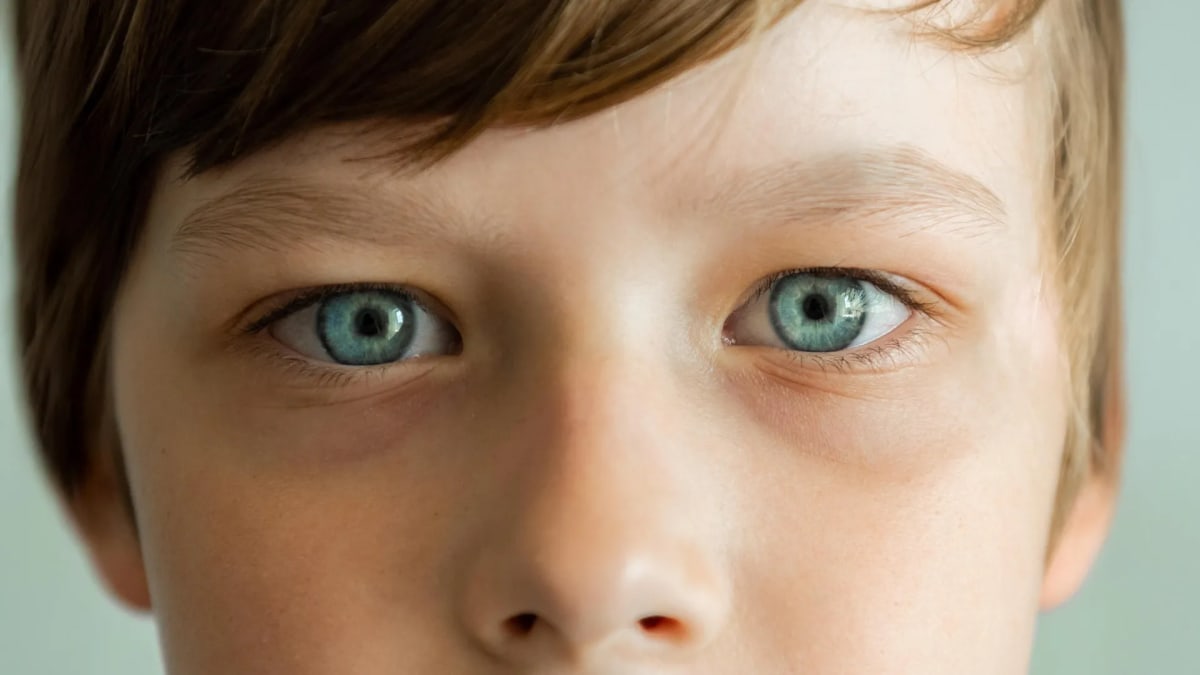
The discovery centers on how our pupils respond to light. When we read a book or scroll through a phone up close, our pupils naturally constrict to sharpen the image. In bright outdoor light, this isn't a problem because plenty of light still reaches the retina.
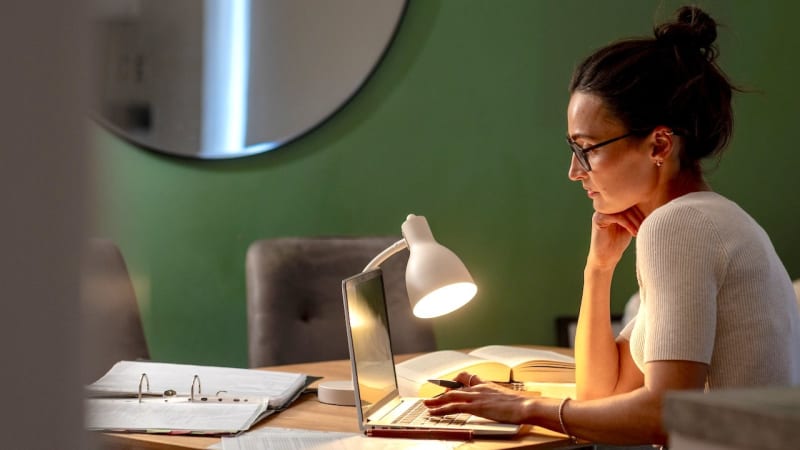
But indoors with dim lighting, the narrowed pupil allows so little light through that the retina can't send strong enough signals. Without that stimulation, the eye receives a message to keep growing, which causes the eyeball to elongate and distant objects to blur.
Doctoral student Urusha Maharjan explained that this combination of close focus and dim lighting significantly reduces retinal illumination. The dimmer the environment, the weaker the signal telling the eye to stop growing.
Outdoor time has long been known to protect against myopia, and this study reveals why. Even when focusing on nearby objects outside, the intense natural light provides enough retinal stimulation to override any growth signals. The light levels outdoors are dramatically brighter than typical indoor spaces.
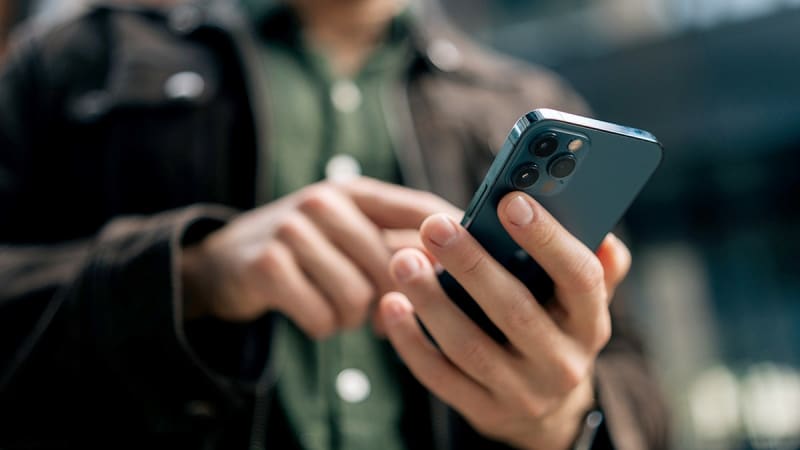
The research reframes how we think about screen time and eye health. Heavy smartphone use is associated with an 80% higher risk of myopia when combined with excessive computer use, but not because of the devices themselves. It's where and how we use them that matters.
Why This Inspires
This discovery offers something rare in health news: a simple, accessible solution to a growing crisis. Instead of asking families to limit technology or completely change their habits, researchers suggest a straightforward fix. Brightening indoor spaces during homework, reading, or screen time could protect children's vision without major lifestyle disruptions.
The implications reach beyond individual households. Schools could adjust classroom lighting, offices could redesign workspaces, and public health campaigns could promote better indoor illumination as easily as they promote outdoor play.
Senior author Dr. Jose-Manuel Alonso cautioned that this isn't a final answer, but it offers a testable hypothesis that could reshape how we prevent the global nearsightedness epidemic. Sometimes the brightest solutions are the simplest ones.
More Images
Based on reporting by Fox News Health
This story was written by BrightWire based on verified news reports.
Spread the positivity!
Share this good news with someone who needs it