Electric Dreams: How Red States Are Powering America's Wireless Charging Revolution
Two traditionally conservative states are revolutionizing electric vehicle technology through innovative wireless charging infrastructure. Michigan and Florida are leading the charge in creating the first dynamic EV charging highways in the United States.
Imagine cruising down a highway where your electric vehicle charges itself without ever stopping - a sci-fi scenario rapidly becoming reality thanks to groundbreaking innovations in Michigan, Florida, and Indiana.
Two traditionally conservative states are unexpectedly leading a technological transformation in electric mobility, proving that sustainable transportation isn't just a coastal phenomenon. Michigan and Florida have emerged as unexpected pioneers in wireless electric vehicle charging infrastructure, demonstrating how cutting-edge technology can transcend political boundaries.
In Michigan, the journey began in 2021 when plans for the first wireless charging public road in the United States were announced. By November 2023, the installation was complete, featuring infrastructure from Israeli startup Electreon and Ford's E-Transit electric delivery van division. The state doubled down in November 2024, partnering with EV startup Xos to expand wireless charging capabilities for commercial delivery vehicles, with additional roadway installations planned by October of that year.
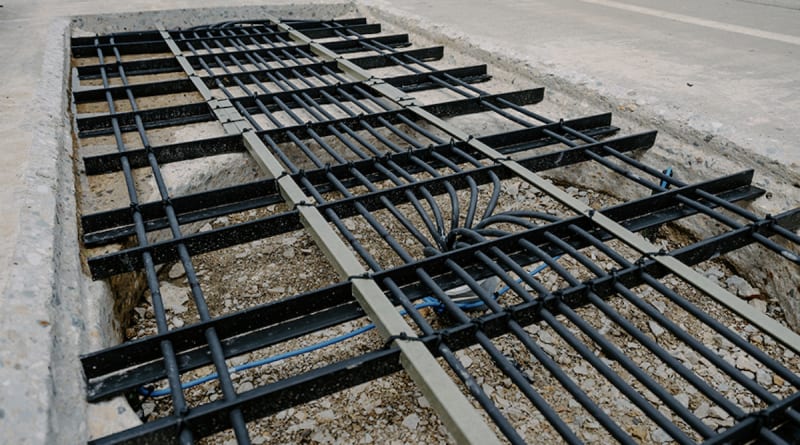
Florida's innovative approach is equally impressive, with the Central Florida Expressway Authority (CFX) developing a 4.4-mile State Road 516 that serves as a living mobility laboratory. Inspired by Georgia's 'The Ray' mobility test bed, this highway showcases sustainable technologies including solar power, native plantings, a wildlife underpass, and an advanced in-road charging system. The project, initially teased three years ago, gained significant attention after local station WFTV provided an exclusive preview of the work in progress.
The wireless charging technology itself is surprisingly familiar, using principles similar to wirelessly rechargeable electric toothbrushes or induction stovetops. For the Florida project, CFX selected US wireless charging firm ENRX, whose technology uses electromagnetic induction to transfer energy from ground winding coils to a vehicle's receiver pad. The system can detect when an electric vehicle is directly above, ensuring safety for all drivers and the surrounding environment.
ENRX's Charge 200 kW Electrified Roadway Technology promises to power multiple vehicle classes, from passenger cars to heavy-duty trucks and buses. The initial installation will cover approximately one mile of the new road, from Route 27 to Cork Road, though initially limited to specially equipped EVs participating in the pilot project.
While Michigan's automotive innovation heritage makes its involvement unsurprising, Florida's leadership is particularly noteworthy. The state ranks among the nation's top three in EV sales, competing closely with Texas for the second position behind California. Even Indiana, which had minimal EV sales as of 2024, is showing potential for future technological integration.
These developments represent more than technological achievement - they symbolize a collaborative approach to sustainable transportation that transcends traditional political and regional boundaries. By embracing wireless EV charging, these states are not just building roads; they're constructing pathways to a more connected, efficient, and environmentally conscious future.
Based on reporting by CleanTechnica
This story was written by BrightWire based on verified news reports.
More Good News
 💡 Solutions
Beyoncé Joins Billionaire Ranks: A Musical Empire Reaches New Heights
 💡 Solutions
Nine States Set to Lower Income Taxes in 2026, Offering Financial Relief to Residents
 💡 Solutions
Startup Success Secrets: Top Investors Share Insider Advice on Winning Pitches
Start Your Day With Good News
Join 50,000+ readers who wake up to stories that inspire. Delivered fresh every morning.
No spam, ever. Unsubscribe anytime.