Europe's Space Industry Embraces Reusable Rockets to Transform Ariane 6
The European Space Agency is taking bold steps toward sustainability in space exploration by developing innovative ways to make their Ariane 6 rocket partially reusable. This exciting shift represents Europe's commitment to catching up with global competitors while reducing waste and costs in the space industry.
Europe's space industry is entering an exciting new chapter as the European Space Agency (ESA) pursues an innovative solution to make space launches more sustainable and cost-effective. After years of careful consideration, a clear consensus has emerged across the continent: the future of European space exploration lies in reusable rocket technology.
The transformation centers around the Ariane 6 rocket, which made its successful debut in July 2024. While the current design follows traditional expendable models, ESA is now investing in creative ways to evolve this workhorse into a more sustainable vehicle. The agency has awarded contracts to multiple companies to explore reusable technologies, showing a refreshing commitment to innovation and environmental responsibility in space exploration.
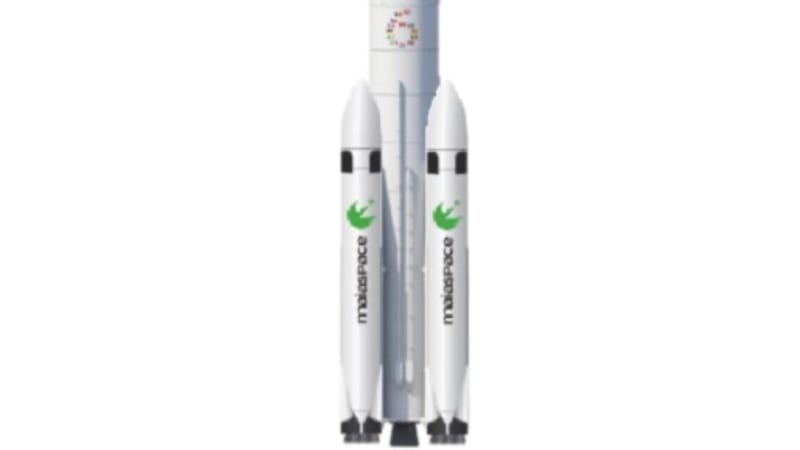
ArianeGroup, a collaborative venture between aerospace giants Airbus and Safran, recently won an exciting contract through ESA's Boosters for European Space Transportation initiative. Their proposal showcases the kind of creative thinking that makes space exploration so inspiring. The plan involves retrofitting the Ariane 6 with reusable liquid-fueled boosters developed by MaiaSpace, a French subsidiary of ArianeGroup. This "plug-and-play" approach demonstrates how existing technology can be adapted and improved rather than completely scrapped.
Meanwhile, German rocket startup Isar Aerospace received its own contract to develop a reusable first stage demonstrator based on their Spectrum rocket. The diversity of approaches shows how Europe is fostering innovation across multiple companies and countries, creating a collaborative ecosystem that benefits everyone involved.
ESA is also supporting emerging rocket companies across Europe with funding to prove their capabilities and incentivizing upgrades for heavier cargo missions. Additionally, rocket hoppers are being funded to demonstrate vertical takeoff and landing technologies, the same groundbreaking approach that has revolutionized space launch capabilities worldwide.
The Bright Side: While some might view Europe's journey toward reusable rockets as playing catch-up, there's a beautiful silver lining to this story. By arriving at this technology later, European engineers can learn from the successes and challenges of pioneers like SpaceX and Blue Origin. They're not starting from scratch but rather building on a foundation of knowledge that has already been established. This means they can potentially leap forward faster and avoid costly mistakes.
The collaborative nature of Europe's approach is particularly heartening. Rather than one company or country going it alone, the entire continent is pooling resources, talent, and innovation. ESA is bringing together established aerospace giants with nimble startups, creating opportunities for knowledge sharing and breakthrough innovations.
The emphasis on retrofitting existing rockets rather than abandoning them entirely also shows environmental consciousness and fiscal responsibility. Europe is demonstrating that sustainability in space doesn't just mean reusing rockets, it also means maximizing the value of investments already made.
While the transformed Ariane 6 won't be fully reusable initially, making the side boosters recoverable represents meaningful progress toward reducing space waste and launch costs. Every step toward reusability makes space more accessible and sustainable for future generations. As these technologies mature through the coming years, they'll position Europe as a competitive, innovative force in the global space industry while creating high-tech jobs and inspiring the next generation of engineers and scientists across the continent.
More Images



Based on reporting by Ars Technica
This story was written by BrightWire based on verified news reports.
Spread the positivity! 🌟
Share this good news with someone who needs it
More Good News


DAILY MORALE
What did the thermometer say to the graduated cylinder?
EXPLORE INTEL
DAILY INSPIRATION
Hope is the thing with feathers that perches in the soul and sings the tune without the words and never stops at all.
Emily Dickinson