Exciting AI Breakthroughs Bring Dream of Self-Driving Cars Closer to Reality
Cutting-edge artificial intelligence is transforming the automotive industry, with major tech companies and automakers unveiling remarkable autonomous driving systems that promise safer, more convenient travel. From robotaxis already serving passengers to intelligent systems coming to consumer vehicles this year, the future of transportation is arriving faster than ever.
The future of driving is unfolding before our eyes, and it's more exciting than ever. At the recent Consumer Electronics Show in Las Vegas, the automotive industry showcased stunning advances in autonomous vehicle technology that are bringing us closer to a world where cars can safely navigate our roads with minimal human intervention.
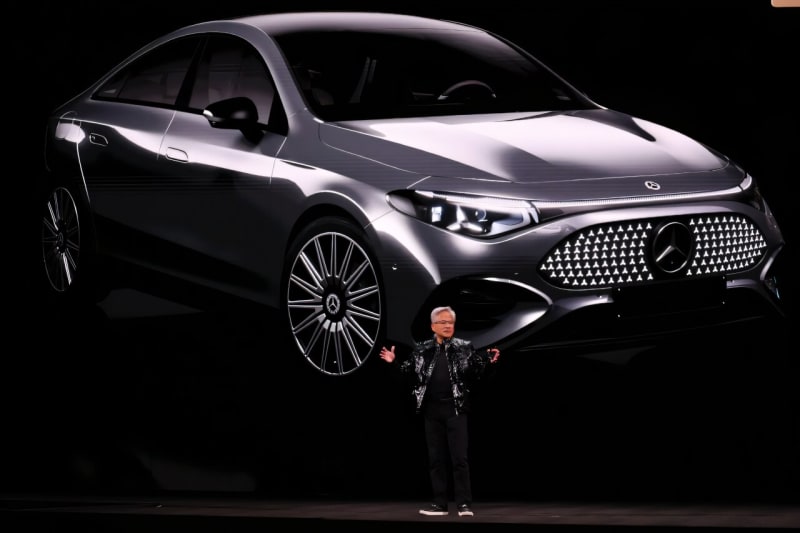
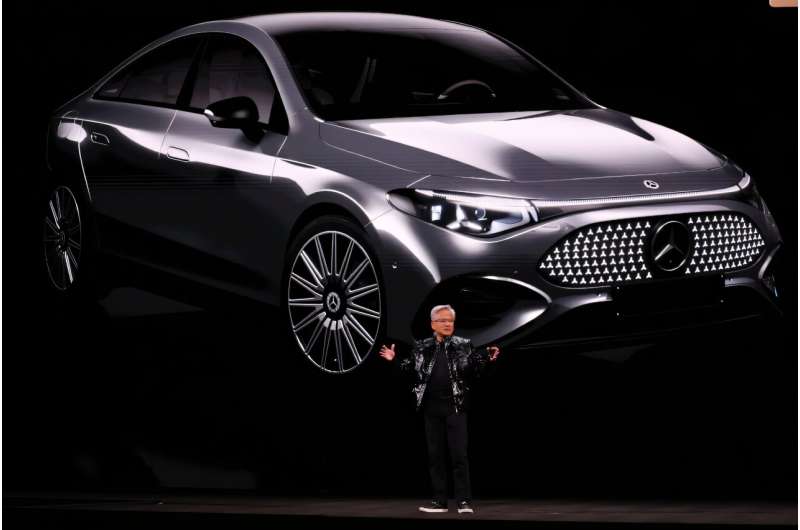
Leading the charge is tech giant Nvidia, whose founder and CEO Jensen Huang announced a groundbreaking AI platform called Alpamayo. This innovative system will debut in Mercedes CLA electric vehicles in the United States this year, representing a major milestone for consumer accessibility to advanced driving assistance. What makes Alpamayo special is its ability to reason through unusual traffic situations, navigate complex scenarios safely, and even explain its driving decisions—bringing a new level of transparency and intelligence to autonomous systems.
The technology has already proven impressive in real-world conditions. During a demonstration in San Francisco, a self-driving Mercedes smoothly handled congested city traffic, showcasing the remarkable capabilities these systems have achieved. Perhaps most exciting, the Alpamayo system doesn't rely solely on pre-mapped data, meaning it can confidently navigate streets it has never encountered before.
The progress isn't limited to one company. Qualcomm unveiled its own autonomous driving software powered by its Snapdragon chip, while Nissan announced plans to integrate AI-enabled software from British startup Wayve across much of its vehicle lineup. This healthy competition is accelerating innovation and bringing benefits to consumers faster.
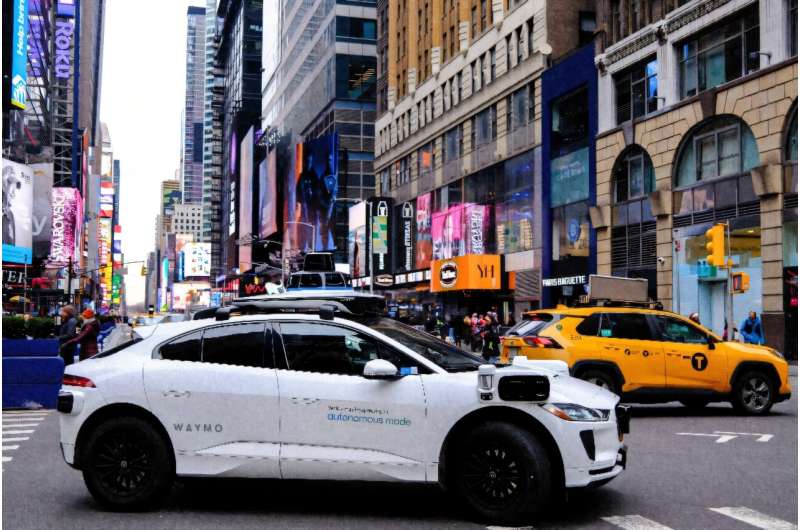
Real-world autonomous services are already demonstrating the reliability of this technology. Waymo's robotaxis in the United States and China's rapidly growing Apollo Go service have safely transported countless passengers, proving that fully autonomous driving can work dependably in everyday conditions. Uber is joining the movement with plans to launch a fleet of Lucid robotaxis in San Francisco later this year, making autonomous rides increasingly accessible.
The advances are largely thanks to revolutionary improvements in artificial intelligence, which have made these systems more efficient while requiring fewer expensive sensors. As Pier Paolo Porta from autonomous driving specialist Ambarella notes, "From a technology standpoint, it is there." The technical challenges that once seemed insurmountable have been conquered through innovation and persistence.
Jensen Huang enthusiastically declared that a "ChatGPT moment for physical AI" has arrived, enabling cars and robots to interact with the real world independently. Just as ChatGPT transformed how we interact with information, these AI systems are transforming our relationship with transportation.
Silicon Valley startup Tensor is pushing boundaries even further with what they call the "first personal robot car on Earth"—a luxury vehicle packed with 34 cameras, five lidar lasers, and over a hundred sensors. The first models are expected on roads in the coming months, representing another exciting step forward.
While full Level 4 autonomy for all vehicle owners may still be a few years away, the rapid progress in Level 2 assisted driving systems means drivers today can already experience remarkable automation features that make their journeys safer and less stressful. These systems handle much of the driving task while keeping humans in the loop, offering the best of both worlds.
The dream of liberating people from the tedium of driving while making roads safer is no longer science fiction—it's becoming our reality, one innovation at a time.
More Images


Based on reporting by Phys.org - Technology
This story was written by BrightWire based on verified news reports.
Spread the positivity! 🌟
Share this good news with someone who needs it
More Good News
 🚀 Innovation
Four Sisters Build Europe's First Electric Tractor, Win National Energy Award
 🚀 Innovation
MIT Scientists Use AI to Create Breakthrough Antibiotics That Defeat Superbugs
 🚀 Innovation
Israel Poised to Lead Global Medical AI Revolution, MIT's Barzilay Says
Joke of the Day
Why don't scientists trust atoms?
Explore Categories
Quote of the Day
"The only way to do great work is to love what you do."
— Steve Jobs