Faith Networks Become Climate Lifelines in Disasters
When disaster strikes, churches, mosques, and temples are often first responders. Ecological futurist Tariq Al-Olaimy reveals how "spiritual infrastructure" saves lives long before official aid arrives.
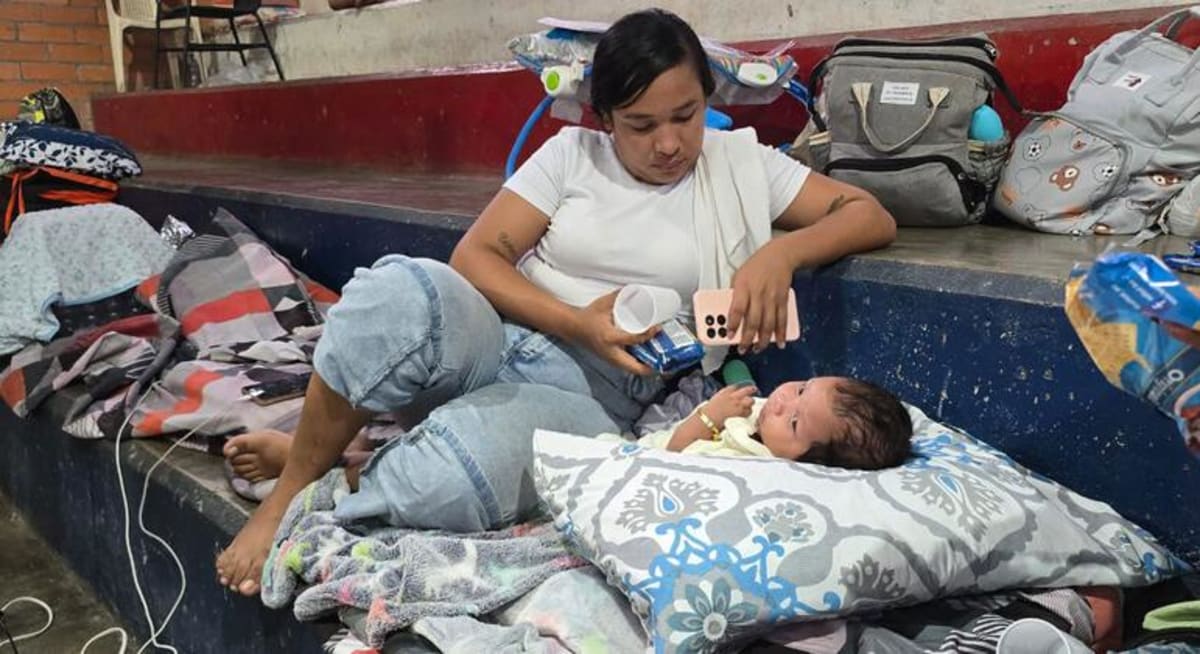
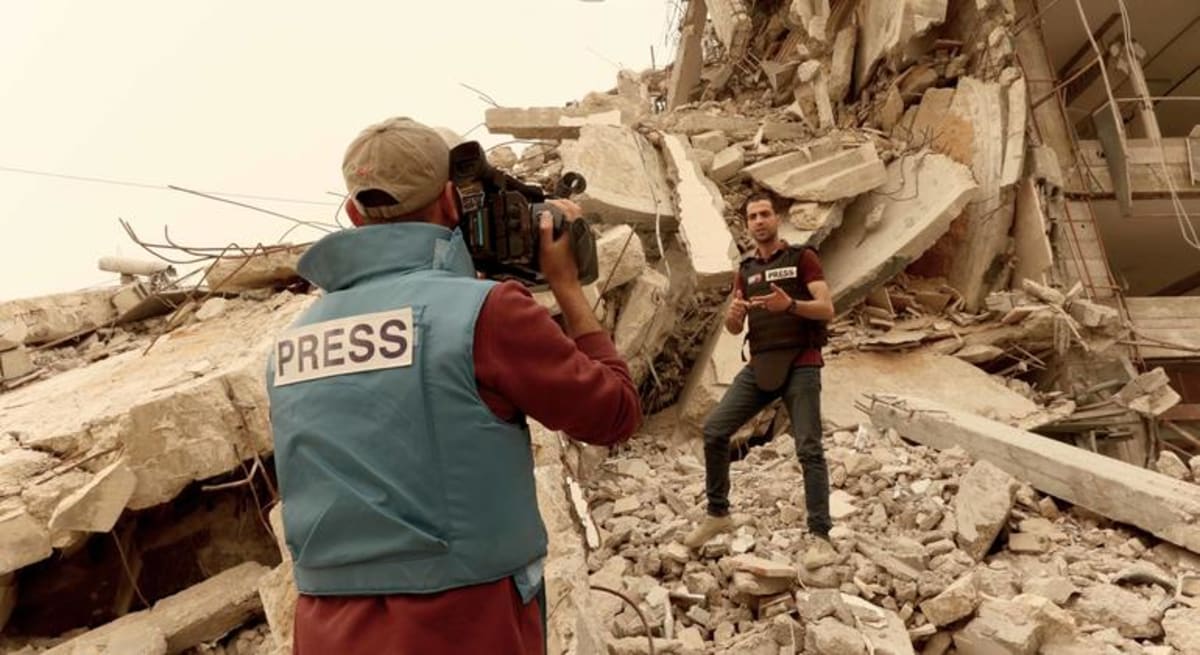
When hurricanes, floods, and fires devastate communities, help doesn't always come from government agencies first. It comes from church basements, mosque kitchens, and temple networks that turn into shelter, food banks, and coordination hubs within hours.
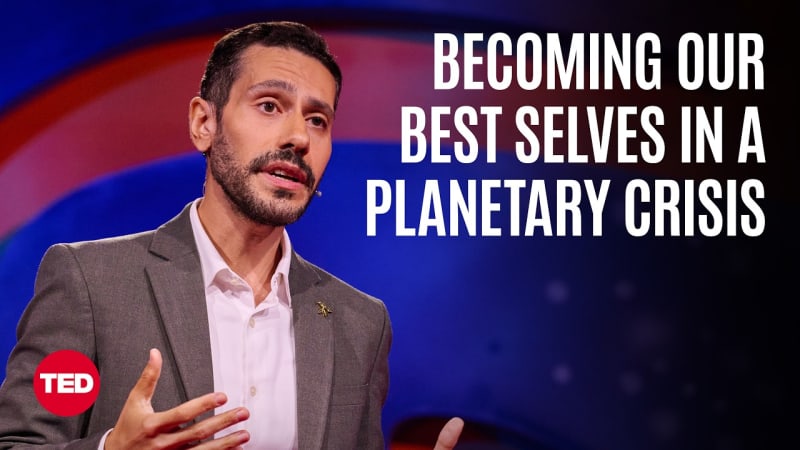
Ecological futurist Tariq Al-Olaimy has spent a decade documenting this hidden resilience system. In his recent TED talk, he reveals what disaster-stricken communities already know: faith networks form a "spiritual infrastructure" that sustains people when everything else collapses.
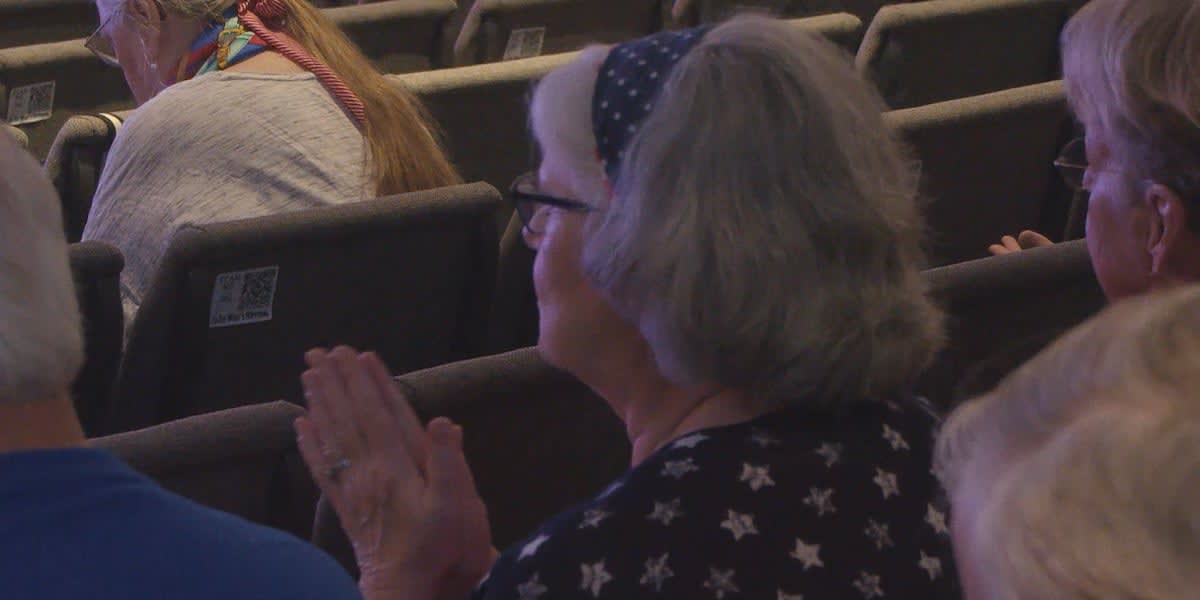
Al-Olaimy has witnessed this pattern across continents. While official disaster relief takes days or weeks to mobilize, local congregations spring into action immediately because the trust, relationships, and physical spaces already exist.
These aren't just emergency shelters. Faith communities organize volunteer networks, distribute supplies, provide emotional support, and help neighbors navigate complex aid systems. They know who needs medication, who lives alone, and who speaks which languages.
The climate crisis is making these networks more essential than ever. As extreme weather events become more frequent, communities need systems that can respond quickly and sustain support for months, not just days.
The Ripple Effect
Al-Olaimy's research shows that spiritual traditions carry something governments and corporations often lack: long-term thinking rooted in values beyond profit. Faith communities think in generations, not quarterly reports.
He argues this perspective is exactly what climate adaptation requires. The same values that keep congregations caring for members through decades can guide how we rebuild economies and ecosystems for a changing planet.
Global faith coalitions are now applying this wisdom to larger climate solutions. They're investing in renewable energy, advocating for environmental justice, and helping communities prepare for future disasters before they strike.
The model is spreading. Cities are partnering with faith networks to create resilience hubs that combine emergency response with year-round community services like job training and mental health support.
What makes spiritual infrastructure work isn't magic or divine intervention. It's the simple power of communities that already gather regularly, trust each other deeply, and commit to mutual care through hard times.
As climate challenges reshape our world, Al-Olaimy believes aligning our inner values with how we structure our economies and treat our ecosystems isn't optional anymore. The communities thriving through disasters are the ones that figured this out first.
Based on reporting by TED
This story was written by BrightWire based on verified news reports.
Spread the positivity!
Share this good news with someone who needs it