Florida Lawmakers Push to Fix Development Freeze Law
After a controversial law blocked Florida cities from updating storm protections, state lawmakers are working to reverse the freeze. Three new bills aim to help communities prepare for future hurricanes instead of locking them into outdated rules.
Florida communities might soon regain their ability to strengthen protections against future hurricanes, thanks to lawmakers reconsidering a law that accidentally tied their hands.
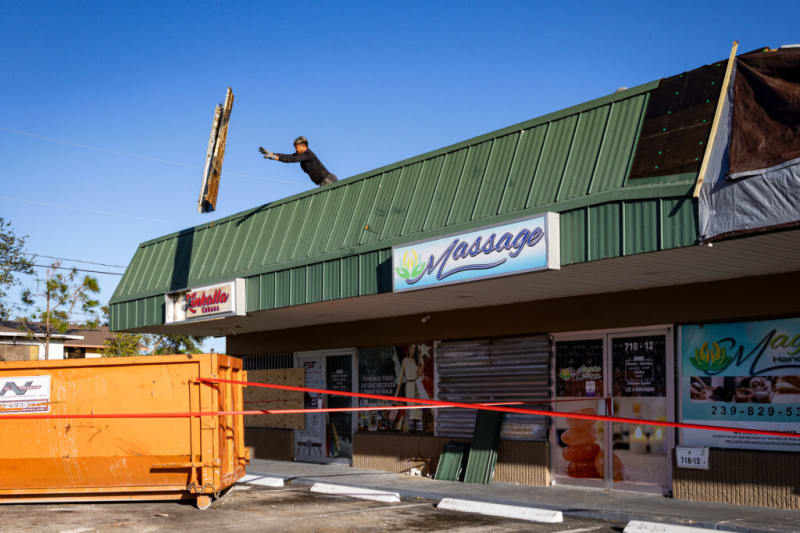
After three hurricanes slammed Florida in 2024, state legislators passed SB 180 to help communities rebuild quickly. But the law had an unexpected consequence: it froze every city and county's planning rules exactly as they were in August 2024, blocking any updates through October 2027.
That means communities can't strengthen stormwater systems, update flood protections, or adjust building codes to match what they learned from the latest storms. It's the opposite of what happened after Hurricane Andrew in 1992, when Florida responded by making building codes much stronger.
"Planning is supposed to be an ongoing endeavor," said Richard Grosso, an environmental attorney working to challenge the law. "You adjust your rules as you meet changing conditions and new challenges."
The law affects all 67 Florida counties and every municipality in the state because of how widely the 2024 hurricanes spread their impact. More than a dozen local governments have already received letters declaring their proposed safety improvements null and void.
Some cities trying to prevent urban sprawl or protect natural resources have faced lawsuits. Others joined together to file their own legal challenge, arguing the law violates Florida's constitution.
The Ripple Effect
Now three bills are moving through the state legislature to fix the problem. The most comprehensive comes from Senator Nick DiCeglie, who originally sponsored SB 180.
His new bill would narrow which communities are affected, focusing only on those closest to a hurricane's actual path. It would also shorten the freeze period by over a year, ending it in June 2026 instead of October 2027, and reduce the threat of lawsuits against local governments.
Kim Dinkins, policy director at advocacy group 1000 Friends of Florida, called the effort "a good start" but said it could go further. Many communities with zero storm damage are still blocked from making improvements that have nothing to do with hurricanes.
The legislative session just began, giving lawmakers time to restore local communities' ability to prepare for the next storm season while still helping those affected by 2024's hurricanes rebuild stronger than before.
Based on reporting by Inside Climate News
This story was written by BrightWire based on verified news reports.
Spread the positivity! 🌟
Share this good news with someone who needs it

%2Ffile%2Fattachments%2F2986%2F13646045_461603.jpg)
