Former EPA Official: Plastic Crisis Can Be Solved at Source
A new book reveals that nearly half of all plastic ever made has been produced since 2007, proving this is a recent crisis we can still fix. Former EPA administrator Judith Enck argues the solution lies in reducing production, not recycling more.
The plastic pollution crisis feels ancient and insurmountable, but here's the surprising truth: we created half of it in just the last 17 years. That means we still have time to turn this around.
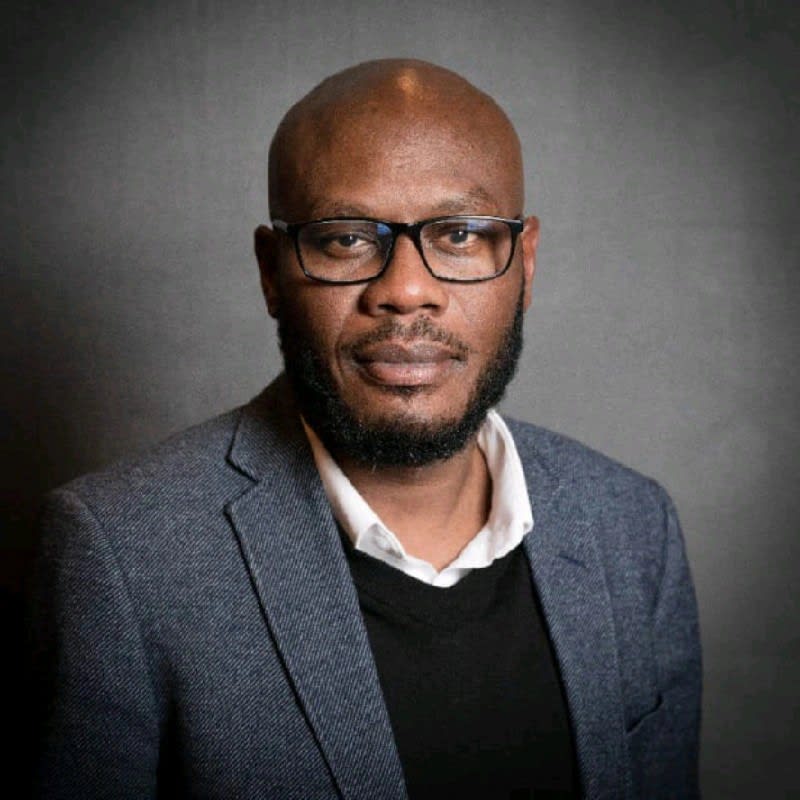
Judith Enck, former EPA regional administrator and founder of Beyond Plastics, just released a book that reframes everything we thought we knew about plastic pollution. Her message is clear: this isn't your fault for forgetting your reusable bag.
For decades, the plastics industry pushed a narrative that pollution was a personal responsibility problem. We were told to recycle better, remember our bags, and stop littering. But Enck's research shows less than 6% of plastic waste in America actually gets recycled, despite all those recycling symbols and public campaigns.
The real issue is production. The average American uses almost 500 pounds of plastic per year, much of it invisible in packaging and household goods. Most of that comes from fracked gas turned into tiny plastic pellets at high temperature facilities, then shipped nationwide to become everything from food containers to clothing.
Unlike aluminum or glass, plastic can't truly be recycled into the same product repeatedly. There are more than 16,000 different chemicals used in plastic production, creating thousands of combinations that can't easily be sorted or remade. Only plastics labeled #1 and #2, like soda bottles and milk jugs, commonly get recycled. Everything else typically ends up in landfills or incinerators.
California recently sued ExxonMobil for allegedly misleading consumers about plastic recyclability. The deception worked for years, keeping public attention on individual behavior instead of corporate production.
The health impacts are becoming impossible to ignore. Microplastics now appear in human blood, breast milk, placentas, and lungs. Plastic production creates roughly one sixth of global industrial greenhouse gas emissions, and US plastic production emissions will soon exceed those from coal fired power plants.
The Bright Side shines through Enck's central argument: because this crisis exploded so recently, we can still stop it. The problem isn't centuries old, it's just decades old. Trillions of plastic pieces pollute our oceans, but the source is identifiable and controllable.
Enck emphasizes that none of us voted for this plastic takeover, and nothing actually tastes better in plastic. The crisis stems from regulatory failure and an industry externalizing its true costs onto our health and environment. When those costs get accounted for, solutions become clearer.
The book traces how plastic production boomed alongside hydraulic fracturing over the past 20 years. Companies captured ethane, a fracked gas byproduct that used to be burned off, and found a profitable use for it. Cheap for them, expensive for everyone else.
Communities near landfills, incinerators, and petrochemical facilities bear the heaviest burden, with these facilities disproportionately located in low income areas and communities of color. This makes plastic pollution an environmental justice issue as much as an ecological one.
Real change requires focusing on the source: producing less plastic in the first place.
More Images


Based on reporting by Google News - Plastic Reduction
This story was written by BrightWire based on verified news reports.
Spread the positivity! 🌟
Share this good news with someone who needs it