
Gel Spacer Gives Hope for Safer Gynecological Cancer Care
A world-first study shows a simple gel can protect healthy tissue during gynecological cancer treatment, offering women the same safer radiation therapy already available to prostate cancer patients. All 12 patients had successful procedures with zero complications.
Women facing gynecological cancer radiation could soon experience safer, more effective treatment thanks to a protective gel already helping prostate cancer patients.
Researchers at Austin Health in Australia just completed the first study using stabilized hyaluronic acid gel as a "spacer" during radiation treatment for gynecological cancers. The gel creates a gentle cushion between the tumor and the rectum, protecting healthy tissue from radiation damage while allowing doctors to target cancer cells more precisely.
The concept is straightforward but powerful. During MRI-guided brachytherapy (internal radiation treatment), doctors inject the gel to push the rectum slightly away from the treatment area. This extra space means the rectum receives less radiation exposure while the tumor gets hit with a higher, more targeted dose.
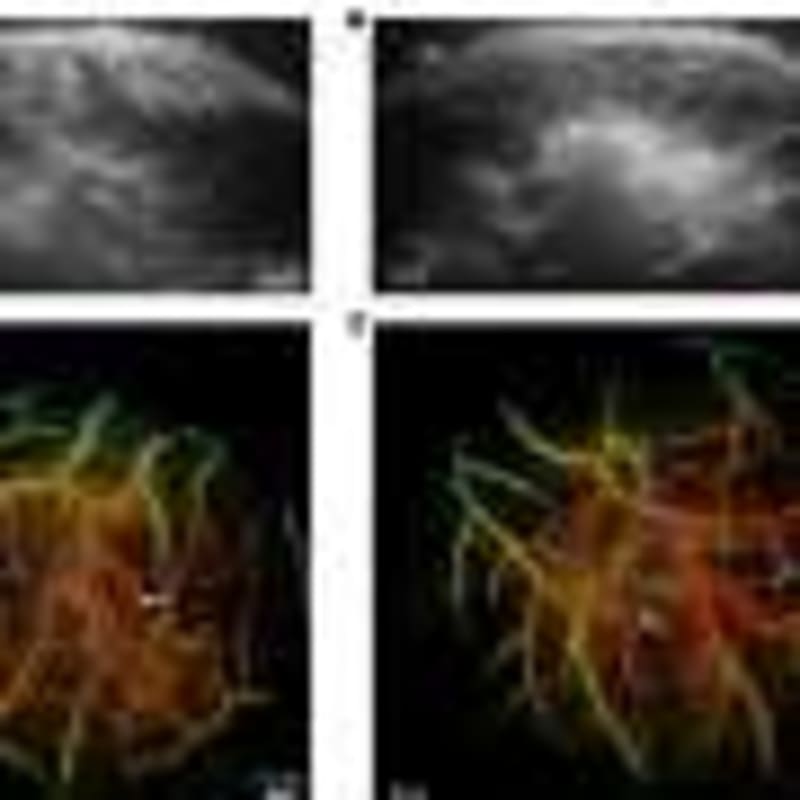
All 12 women in the trial received the gel spacer successfully, with no complications or discomfort. The gel showed up clearly on MRI scans, making it easy for doctors to monitor throughout treatment. It stayed firmly in place during therapy and dissolves naturally in the body over time.
Dr. Carminia Lapuz, who led the study published in the Journal of Medical Radiation Sciences, calls this work a step toward gender equity in cancer care. Men with prostate cancer have had access to gel spacers for years, but women have been waiting for this option.
Why This Inspires
This breakthrough represents more than just a new medical technique. It's about ensuring women receive the same quality of cancer care as men, using technology that's been proven safe but never tested for gynecological cancers until now.
The gel increases the protective distance between tumors and healthy tissue in every single patient. While researchers still need to study long-term outcomes and confirm the reduction in radiation exposure to the rectum, the initial results show the approach is both safe and practical.
Future treatments could mean fewer side effects, better quality of life during and after cancer treatment, and more effective tumor targeting. The research team is already planning follow-up studies to measure long-term results and radiation dose impacts.
For women worldwide facing gynecological cancer, this simple gel could transform their treatment experience from something that damages healthy tissue into precise, targeted care that protects their bodies while fighting their cancer.
More Images



Based on reporting by Medical Xpress
This story was written by BrightWire based on verified news reports.
Spread the positivity! 🌟
Share this good news with someone who needs it


