
German Lakes Restored to Health Using Underwater Plants
Scientists in Germany brought underwater plant life back to 77% of damaged lakes using a new restoration method. The success offers a blueprint for protecting freshwater ecosystems worldwide.
Imagine a simple plant doing the work of an entire water treatment system while creating homes for fish and wildlife at the same time.
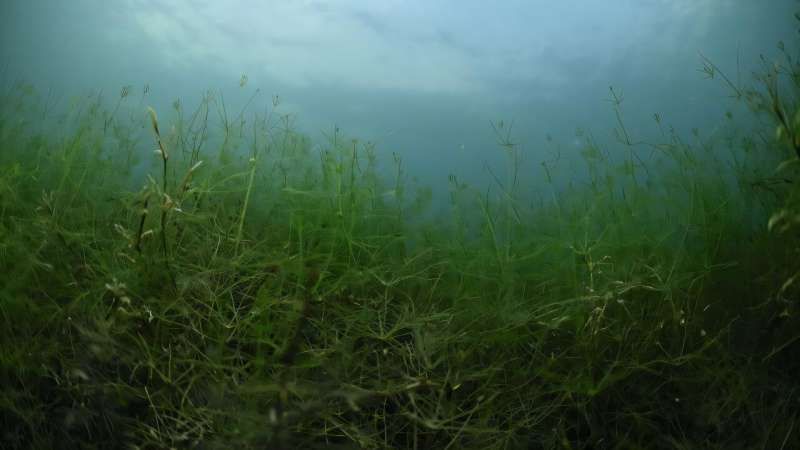
That's exactly what's happening in northeastern Germany, where scientists have figured out how to bring back charophytes, underwater plants that act like natural water purifiers. After years of watching these plant meadows mysteriously disappear from otherwise healthy lakes, researchers finally cracked the code on how to restore them.
The team from the Leibniz Institute of Freshwater Ecology and Inland Fisheries tested different restoration methods across 27 lakes over four years. They adjusted nutrient levels, modified fish populations, and protected the plants from being eaten while they grew. The approach worked spectacularly well.
In 77% of the test lakes, the underwater plant meadows came back to life. Meanwhile, nine comparison lakes where scientists did nothing showed zero improvement. The difference was clear and measurable.
"We observed drastic declines in the previously intact charophyte meadows," explained project leader Rüdiger Mauersberger. "This project enabled us to test various reintroduction measures systematically."
These aren't just pretty plants. Charophytes stabilize lake beds, pump out oxygen, clear murky water, and provide crucial habitat for aquatic creatures. Their decline across Europe since the late 1800s has been a quiet ecological crisis.
The research team didn't just restore the lakes. They created the first practical guide that conservation workers can use to revive charophytes in other lakes across Germany and beyond.
Dr. Sabine Hilt, who analyzed the project's effectiveness, noted that the recommendations help users "derive measures for the reintroduction of charophytes in a targeted manner for individual lakes." No more guessing. No more trial and error.
The Ripple Effect
The success in these 27 lakes represents more than just cleaner water in one corner of Germany. It's a working model for freshwater restoration that can spread globally.
As lakes worldwide face pressure from climate change and human activity, having a proven method to restore their natural filtration systems becomes invaluable. Each restored lake supports healthier fish populations, clearer water for recreation, and more resilient ecosystems.
Sabine Riewenherm, President of the Federal Agency for Nature Conservation, called the recommendations "a building block for the conservation of our biological diversity." The approach allows conservationists to compare different restoration strategies and choose what works best for their specific lakes.
The project shows that environmental damage doesn't have to be permanent, and sometimes the solution involves working with nature rather than against it.
More Images


Based on reporting by Phys.org
This story was written by BrightWire based on verified news reports.
Spread the positivity! 🌟
Share this good news with someone who needs it


